
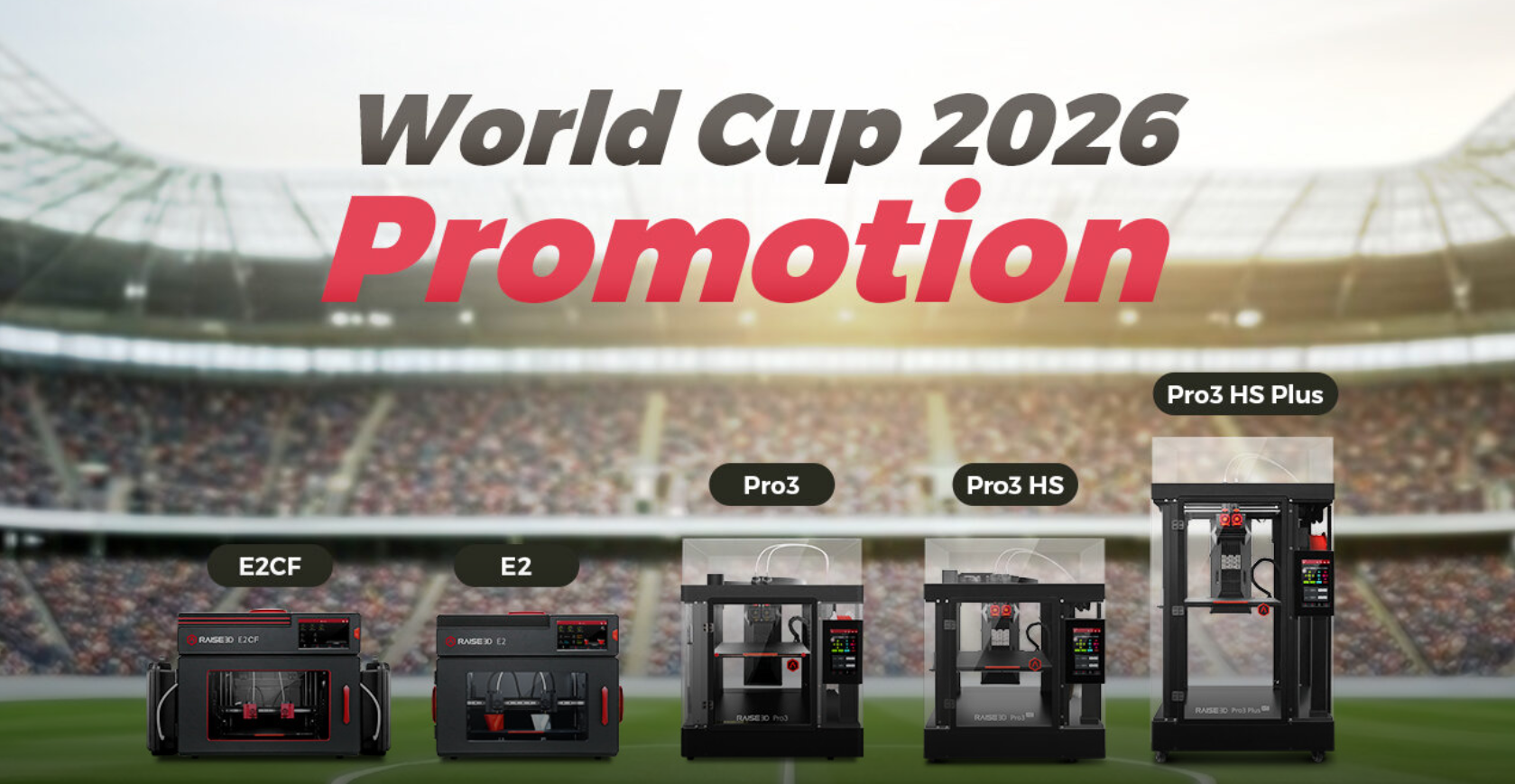
Comparative insight shows that small design choices add up fast on a production floor, and a thoughtfully engineered IDEX (independent dual-extruder) layout often outpaces standard enclosed 3D printer setups on throughput, uptime, and cost per part. For teams that shifted to additive manufacturing during the 2020 PPE shortages, the gains were practical: shorter cycle times and easier scheduling. For shops evaluating resin alternatives or hybrid workflows, a good rule of thumb is to test parallel paths—digital light processing and extrusion—so consider hardware like a dlp printer when parts require fine surface detail alongside thermoplastic strength.
How an intelligent IDEX layout changes the production equation
An IDEX layout separates heads and motion systems so two independent parts run at once without cross-contamination. That dual-extrusion capability reduces idle time: while one nozzle prints, the other can perform maintenance, purge, or start the next job. The result is predictable takt time, tighter cycle planning, and fewer manual swaps of filament or heads. Key industry terms here are IDEX, build chamber, and dual-extrusion—each matters to how you schedule batches and maintain dimensional consistency.
Throughput and quality: what’s actually better on day one and day 100
On day one, enclosed printers win for thermal stability; they keep ABS from warping and simplify material conditioning. By day 100, however, intelligent IDEX machines often lead because they reduce operator touchpoints. Two independent toolpaths mean you can use one head for coarse infill and the other for fine outer shells, which shortens print time without sacrificing surface finish. Add regular bed leveling checks and a robust print head calibration routine, and you preserve part accuracy across longer runs.
Alternatives and when resin DLP makes sense
Resin systems like DLP shine for thin walls, small features, and high-resolution surface detail where pixel pitch and layer curing give advantages that filament systems can’t match. When prototypes need tight tolerances or castable masters, integrating a dlp projector 3D printer into the workflow is a practical choice. Use DLP for detail, IDEX for mixed-material assemblies—this hybrid approach trims post-processing time and improves first-pass yield.
Common mistakes and quick fixes on the production floor
Teams often under-estimate fixturing and post-processing logistics. Parts may print well but hang up in depowdering, washing, or curing stages. The frequent fixes are procedural: standardize nest orientation for parts sharing a build, schedule automated purges during non-peak hours, and log nozzle hours to swap before quality drops. – Small interventions, like an automated toolpath queue, prevent big downstream delays.
Operational teardown: {main_keyword} versus {variation_keyword}
In an operational teardown you assess machine uptime, operator minutes per part, and scrap rate. Measure layer heights, print speed, and resin vat change frequency for resin systems; for extrusion measure filament feed consistency and nozzle clog incidents. An intelligent IDEX layout typically improves operator minutes per part because fewer manual swaps are required. Track these metrics for 30 to 90 days to see reliable trends rather than single-run noise.
Three golden rules for choosing production equipment
1) Prioritize repeatable cycle time over peak speed. A steady 95% uptime at a slightly lower print speed beats a faster but flaky line. 2) Design for parallelism: match hardware to your process so multiple heads or a DLP station can work simultaneously. 3) Measure before you buy: run a short pilot that tracks operator minutes, scrap rate, and post-processing time. These metrics are the best predictors of total cost of production.
Professionals who compare real run data see that intelligent IDEX layouts trim hands-on time and improve scheduling predictability. For mixed workflows that need fine detail and strong thermoplastic parts, pairing those printers with targeted resin systems makes sense — and the pragmatic choice often ends up being a platform that supports both approaches, like the solutions from Raise3D. – Practical, tested, and built for repeatability.