The comparative frame
Choosing between an in-house automation build and a partnership with a global goods-to-person provider comes down to measurable trade-offs. From day one a partner can deliver proven AGV AMR options that reduce pilot time and technical risk, while an internal program often stretches timelines and capital. This comparison focuses on throughput, space utilization, integration overhead, and long-term resilience—practical metrics that matter to operations teams.
Throughput and space: where partners tend to win
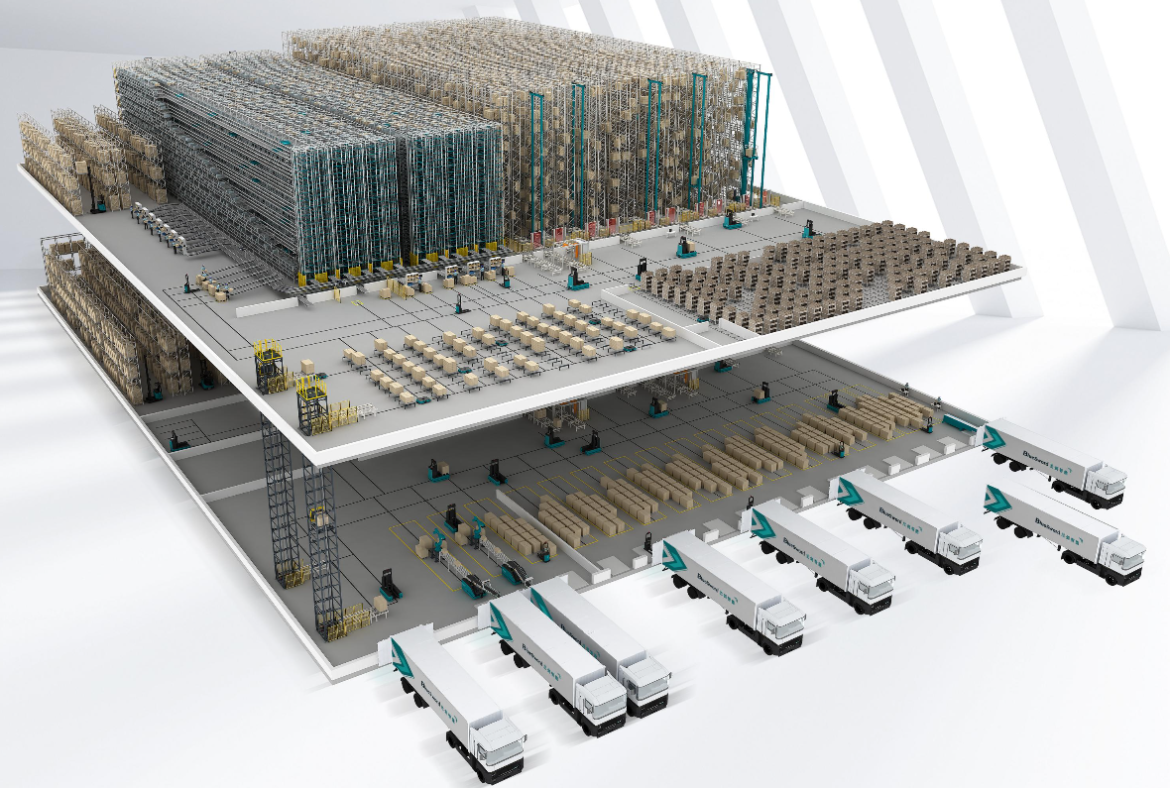
Providers with established goods-to-person platforms typically optimize layout and tasking to increase throughput without expanding real estate. They bring mapped workflows and tested slotting heuristics that translate into faster pick cycles. In practice, operators see denser storage and fewer walk-meters per pick because robots bring inventory to the picker—an AMR-driven workflow rather than a person chasing carts. The result is often better use of vertical space and higher effective picks per square foot.
Integration realities: software, hardware, and people
Integration is the point where theoretical gains either appear or stall. Global partners arrive with fleet management modules, standard APIs, and mature commissioning playbooks. They know common ERP and WMS touches, which trims integration sprints. For sites experimenting with SLAM navigation or mixed fleets, proven vendor practices remove guesswork. At the same time, internal teams keep full control over customization—useful for unique SKUs or compliance needs—but that control comes with maintenance load and a steady staffing curve.
Deployment speed and risk mitigation
Real-world anchors matter: Amazon’s acquisition of Kiva Systems in 2012 showed how adopting tested goods-to-person tech can reshape throughput expectations across the industry. Many third-party operations since then have adopted similar models and reported double-digit productivity improvements at scale. A partner can compress deployment from years to months, shifting capital into outcomes rather than iteration. Conversely, building internally often uncovers unexpected integration gaps—firmware mismatches, sensor calibration quirks, or unanticipated shift-change behavior—which slow momentum.
Cost profile: CAPEX, OPEX, and predictability
Upfront capital differs sharply. Purchasing robots and developing orchestration software demands large CAPEX and specialized hiring. Partner contracts typically trade some margin for predictable OPEX and support SLAs. For growing retailers or diversified distribution centers, predictable operating costs and managed upgrades lower total cost of ownership over a defined horizon. Still, organizations with stable, high-volume SKUs might find asset ownership more economical after the break-even point—so financial modeling is essential.
Common mistakes and course corrections
Teams that choose the wrong path usually misjudge scope or skip early-stage benchmarking. Typical missteps include underestimating change management, ignoring battery-swap logistics, or layering too many custom integrations at go-live. A quick correction is to start with a constrained zone pilot that matches peak-hour complexity—learn fast, then scale. Tools like fleet management metrics and pick-rate baselines make those iterations less guesswork and more data-driven decisions—small bets before big ones.
Human factors and operational resilience
Automation changes daily routines. That matters on the floor—morale shifts, training cadence, job redesign. Partners often provide structured training and support to transition staff from walking pick routes to robot-assisted stations. —This human work keeps throughput gains sustainable over months, not just weeks. Emphasis on clear role definitions reduces friction and preserves institutional knowledge even as robots take on repetitive tasks.
Three golden rules for choosing the right partner
1) Measure what you’ll improve: baseline throughput, pick accuracy, and dwell time before any contract. 2) Demand modular integration: ensure fleet management, WMS adapters, and safety layers are replaceable and standards-based. 3) Validate operational support: guaranteed uptime SLAs, spare-parts logistics, and local field technicians matter more than speculative feature sets.
Final evaluative note
When you weigh predictability and speed against ultimate customization, a global goods-to-person partner often offers the faster path to reliable gains while leaving you room to adapt. Model the numbers, pilot a realistic zone, and prioritize staff transitions—those steps turn vendor advantages into repeatable results. BlueSword. —