• Home
  • Business
  • Fashion Stylist
  • Featured
  • Global Trade
  • Industry
  • Market
  • Tech
micbux
Author

Amelia

Amelia

Global Trade

The Quiet Mechanics Behind Reliable Commercial EV Charging Networks

by Amelia October 29, 2025
written by Amelia

When the Queue Tells the Truth

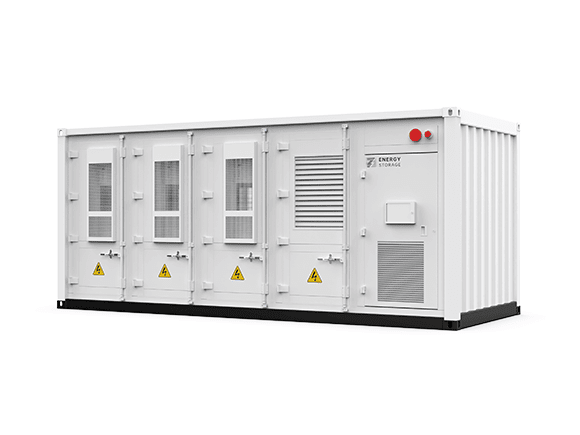
Reliability beats raw speed—every day. In the rush hour hush of a Nairobi mall, you watch drivers circle, apps buffer, and tempers rise at commercial EV charging stations. A 3–5 minute delay per session stacks up to lost sales, missed routes, and churn; sites with uptime below 97% often see double-digit drops in return visits. Now picture a fleet lead refreshing an app while a charger reboots (again). The data is cold, but the story is human. If the grid is steady and the site is busy, why does the queue still crawl? And what small changes shift the whole experience?

commercial EV charging stations​

We will keep it plain and practical, sawa? The issue is not only about adding more plugs. It is about how the system talks, heals, and balances under load. That is our compass for the next steps—let us move to what actually slows things down, and what keeps it moving.

The Hidden Friction in Today’s Setups

What keeps breaking?

People ask for the best commercial EV charging solutions, and many expect a quick answer: install faster hardware and a flashy app. Look, it’s simpler than you think—and also a bit deeper. Traditional rollouts rely on a hardware-first mindset. They lock sites into rigid power converters, static load balancing, and vendor-specific back ends with patchy OCPP. When firmware lags, fault diagnostics are slow. When the network blips, authorizations time out. Without edge computing nodes, the site cannot cache sessions or route locally during outages. The result is a system that looks modern but stumbles under peak use. Users see it as “slow charging.” It is actually slow orchestration.

There is also a quiet cost. Devices reboot to clear faults, which resets queues and shrinks throughput—funny how that works, right? Single-path communications, no failover SIM, and weak TLS setups cut resilience. Payment flows retry; demand charges spike due to poor schedulers; drivers lose trust. And the human pain point? Uncertain session starts. When a charger hesitates after plug-in, anxiety rises. That is the moment that decides loyalty. Fix that moment with strong OCPP handling, smarter watchdogs, and site-level health rules, and half the drama fades.

From Hardware-Heavy to Software-Smart

What’s Next

So, what changes the curve? New technology principles do. Think software-defined sites with local brains. Edge controllers coordinate stalls, watch power converters, and apply dynamic load balancing even if the cloud goes quiet. Predictive maintenance flags a weak contactor before it fails. ISO 15118 enables Plug & Charge, so the handshake is quick and safe. A modern commercial EV charger should speak clean OCPP 2.0.1, cache tokens, and fail gracefully—no drama, just flow. Add demand response hooks to shave peaks; run smart queues that favor dwell time or fleet SLAs. Small software moves, big queue shifts. Pole pole, but steady.

commercial EV charging stations​

Compared to legacy stacks, the forward model is modular and measurable. Power modules scale in blocks; site apps log every heartbeat, MTBF, and MTTR. Security is continuous, not a checkbox. And operations feel calmer—drivers tap once, sessions start, and billing clears on the first try. We have learned that speed is not the hero; certainty is. We have also seen that orchestration beats oversizing. To choose well, use three clear metrics: one, verified uptime with MTTR under 2 hours on critical faults; two, total cost per delivered kWh, including demand charges and field calls; three, adaptability—protocol support, swappable modules, and edge failover. Get those right and the queue gets shorter, revenue steadier, and trust higher. That is the quiet win behind every busy forecourt, and it is the kind that lasts with partners like EVB.


October 29, 2025 0 comments
0 FacebookTwitterPinterestEmail
Global Trade

Unlocking Flawless Skin: The Surprising Benefits of 4 Wavelength Diode Laser Hair Removal

by Amelia October 23, 2025
written by Amelia

Introduction: A Clean Slate Awaits

Picture this: you’ve just come from a bustling day at work, and your mind drifts towards your next beauty appointment—frustrating, isn’t it? According to recent studies, nearly 60% of individuals dread the recurring cycle of traditional hair removal methods. But don’t you worry; there’s innovation on the horizon. The diode laser hair removal with 4 wavelength technology offers a promising alternative that can reshape how we view hair removal altogether. Imagine a method that not only targets hair follicles effectively but also minimizes pain and recuperation time. So, what if this summed up your future beauty routine? Let’s delve deeper into the world of diode laser hair removal and uncover its hidden gems.

laser diode hair removal 4 wavelength

Unveiling Traditional Solutions’ Flaws

Now, let’s break this down. Traditional hair removal techniques—like waxing, shaving, and even IPL treatments—often come with their own set of drawbacks. They can be time-consuming, painful, and, in many cases, ineffective. Hair regrowth is often rapid and unsightly, which can lead to more frequent appointments that drain your wallet. What’s even more concerning is the skin irritation and potential for ingrown hairs that users frequently experience. With the rise of new technologies like 4 wavelength diode lasers, it’s amusing—look, it’s simpler than you think—to see how these hurdles can be tackled.

What Makes 4 Wavelength Technology Stand Out?

The secret sauce behind this advanced technology lies in its ability to target different hair types and skin tones effectively. The four specific wavelengths allow personalized treatments, reaching various depths of the skin to tackle stubborn hair. By adjusting parameters accordingly, practitioners can use these 4 wavelength diode laser hair removal machines for a versatile range of clients. Not only does this improve efficacy, but it also enhances patient satisfaction significantly. A streamlined process means less discomfort and remarkable results—now, who wouldn’t want that?

laser diode hair removal 4 wavelength

Looking Ahead: New Technology Principles

As we steer into the future, the principles behind 4 wavelength diode laser hair removal present exciting possibilities. It’s worth mentioning that these systems are designed with user experience at the forefront, ensuring comfort during treatments while also improving session times. This essential benefit means clients spend less time at the clinic and more time enjoying their smooth skin. One could argue that the transformative capabilities of this technology can significantly reshape the industry—envision clinics with advanced, non-invasive treatment rooms spanning across cities, catering to the needs of everyone.

Real-world Impact

Consider a case in point: several salons have already adopted this technology and reported a dramatic increase in satisfied customers, retention, and, quite importantly, referrals. This isn’t just a flash in the pan but a genuine shift towards achieving not only aesthetic goals but also overall skin health. Less irritation? Check. Reduced ingrown hairs? Double check. Enhanced effectiveness, all wrapped in a client-friendly service? Absolutely, this is the concept we’re celebrating.

Conclusion: The Upsurge of Hair Removal Innovation

In essence, the evolution from traditional methods to the nuanced capabilities of diode laser technology underscores the importance of informed choices. This not only equips consumers with knowledge but empowers them to evaluate their options thoroughly—think about the seamless, painless method you deserve. If you’re evaluating solutions, consider effectiveness, client comfort, and long-term results. With the right choices, you’ll surely find that stunning skin is just an appointment away. For the latest in aesthetic advancements, look no further than Heshibi Tech. Embrace the future, where beautiful, hair-free skin is as simple as a click away!

October 23, 2025 0 comments
0 FacebookTwitterPinterestEmail
Business

Mastering Your Kitchen Appliance Control Panel: A Texan Guide

by Amelia October 8, 2025
written by Amelia

Picture this: You’re in the kitchen, tryin’ to whip up a fine meal, and suddenly your appliance just ain’t responding. Frustratin’, am I right? Studies show that a whopping 70% of appliance malfunctions are due to faulty control panels. Well, that’s where understanding your kitchen appliance control panel comes in handy. No need for pickin’ apart wires or swappin’ connectors—just a bit of know-how is all you need.

Common Problems with Traditional Control Panels

You know how it goes: traditional control panels can be finicky. You press one button, and it’s like a game of roulette—totally unpredictable! Moreover, many folks end up readin’ the manual longer than they’re cookin’. Just thinkin’ about all that wasted time makes me want to pour a tall glass of sweet tea! It’s high time we looked for better solutions in this day and age.

Innovative Technology Principles

Enter the modern kitchen appliance control panel, the real star of the show. By utilizin’ technology such as touch sensors and smart connectivity, these panels not only make life easier but also more efficient. Think about it—no more clunky buttons or tangled wires. With a responsive control panel, you’ll be cookin’ like a pro in no time. Plus, they’re designed to better withstand wear and tear, which means fewer replacements in the long run. It’s a win-win situation if you ask me!

User Benefits You Can Count On

The icing on the cake? These new panels spring into action with minimal effort on your part. Users report a 30% increase in efficiency when usin’ smart kitchen control panels. No more guessin’ games—easy-to-read displays and interactive features give you everything you need (and then some). Plus, you can save energy while you’re at it. Who doesn’t like lower bills, y’all? It’s clear that upgrading can make a world of difference in your kitchen experience.

Conclusion: Things to Consider When Choosing Solutions

Before you make any decisions, remember to evaluate these 3 metrics: ① Ease of use—if you can’t figure it out, move along; ② Durability—ain’t nobody got time for breaks; and ③ Energy efficiency—keep those bills in check! With the right knowledge, you’ll be ready to tackle any kitchen situation with confidence.

The Kitchen Appliance Control Board Advantage

Now, let’s dive deeper, shall we? The kitchen appliance control board plays a vital role in ensuring your devices operate smoothly. It’s the unsung hero that interprets your commands and manages the entire system’s functionality. Without a reliable control board, you might as well be wishin’ for a miracle as your pots stay cold and your oven sits idle. Relying on outdated technology leads to technical hiccups that can throw a wrench in your culinary plans.

Enhanced Performance with Upgraded Technology

The latest advancements in kitchen appliance control boards mean they can communicate with your appliances better than ever. These new systems work on modules that make them flexible and easier to upgrade with improvements. Imagine being able to connect your board with smart home systems for streamlined control from your smartphone or tablet! Think of how convenient that’d be, especially when you’re busy multitaskin’ while cookin’ dinner. There’s major power in tech that adapts to your lifestyle, y’all.

In conclusion, transitioning to modern solutions like those provided by the Topband brand offers numerous advantages, including improved energy efficiency and user experience. Their commitment to quality and innovation makes them a top choice for your kitchen needs. So don’t settle for less—invest smartly and upgrade your kitchen appliance control experience today!

October 8, 2025 0 comments
0 FacebookTwitterPinterestEmail
Business

Designing Reliable Seal Testing That Fits Your Line: A User-Centric Guide for Seal Testers

by Amelia October 6, 2025
written by Amelia

Introduction: A Small Leak, A Big Wake-Up Call

I once watched a tray of snacks leave a packaging line only to return a week later because several seals failed—messy, costly, and embarrassing. In the second minute of that chaos, a seal tester sat idle while the team argued about sampling plans and machine settings. Industry studies show that up to 10% of packaged goods see seal-related issues in their first month on shelves (yes, real numbers). So what happens when your inspection routine misses the leak—the one that ruins customer trust and eats into margins? I want to walk you through that moment and help you see options you might not have tried yet. Let’s move into the core problems and what they mean for your process.

Part 1 — The Hidden Flaws in Common Testing Approaches

Why do old methods fail?

When teams rely on visual checks or inconsistent test cycles, they miss subtle failures that show up later. I often recommend a shift to objective measurement—like using seal strength testing services—because manual checks vary with the inspector, the shift, and even the lighting. Technically speaking, issues such as inconsistent clamping force or variable barometric pressure during tests can mask true seal performance. In my experience, sampling bias is huge: you test the twenty most perfect samples, and the one bad pack that goes to a key customer gets missed. That’s painful. Look, it’s simpler than you think—start testing to realistic stress levels instead of ideal ones.

Traditional fixture-based tests often ignore key variables like substrate roughness and tensile strength of the sealing layer. That means a seal can pass under one speed and fail under another. Edge cases—pun intended—are where customers complain, and those edge cases are usually caused by a mix of environmental shifts (humidity swings) and material inconsistencies. Power converters and control electronics can introduce slight timing drifts in the heat-seal process; those micro-differences show up as seal variability. If your lab setup doesn’t reproduce production dynamics, your data is comfortable—and useless. I want you to feel confident that a new measurement approach can reveal the truth.

Part 2 — Looking Ahead: Case Example and the Next Moves

What’s next for more reliable results?

We tried a modest upgrade at a mid-sized plant: swap spot checks for routine runs using seal strength testing services, introduce controlled humidity cycles, and log seal force versus peel rate. Within a month, rejects dropped noticeably. The key was—funny how that works, right?—measuring across realistic speeds. In that case, leak detection routines paired with controlled temperature profiles exposed weak batches that visual checks missed. I saw tensile strength drop in one roll stock batch; we traced it to a supplier recipe change. That was fixable, and fast.

Moving forward, pair these tests with basic data tools. You don’t need a full cloud system or fancy edge computing nodes to get value—just consistent logging and a simple dashboard to spot trends. We logged barometric pressure alongside seal metrics and found subtle correlations. Short runs, longer runs. Different speeds. Report the patterns. That combination—test rigor plus regular analysis—lets you act before customers notice a problem.

Part 3 — Practical Criteria and Closing Advice

How should you choose a testing path?

If you want a quick roadmap: first, decide whether you need lab-level precision or on-line speed. Second, verify your tester can mimic production stresses (peel rates, heat profiles). Third, ensure the data integrates with your corrective action process—no data hoarding. We put these priorities to work with another partner line and added a simple alarm when a seal’s peel curve deviated beyond tolerance. Results: fewer complaints, faster supplier feedback, less waste. I’ll be blunt—measurement without action is just paperwork.

For practical evaluation, consider three metrics I now insist teams use when choosing solutions: 1) reproducibility under production-like conditions; 2) sensitivity to subtle defects (can it catch a 5% drop in tensile strength?); and 3) ease of integrating results into your workflow (reports, alerts, or APIs). Those three give you a quick yes/no on a tester’s real value. Try pilots. Test multiple batches. Adjust your acceptance criteria based on real data—rather than hope. In closing, the aim is simple: reduce surprises and protect your brand reputation. If you want a reliable partner for these kinds of assessments, check out Labthink.

October 6, 2025 0 comments
0 FacebookTwitterPinterestEmail
Tech

How City Riders Harness Muscle Cruiser Power in Detroit Streets?

by Amelia October 6, 2025
written by Amelia

Setting the Scene: Streets, Specs, and a Simple Ask

Here’s the truth: downtown traffic will expose your setup fast. This muscle cruiser will show out at a light, then bog in the crawl. Picture Woodward at rush hour, lights every block, crosswinds pushing, and taxis cutting in. Riders see 15–20 brake events per mile, and average speeds under 25 mph. I’m talking about a muscle cruiser motorcycle that can stomp a straight, yet struggles when the rhythm turns stop-and-go. The data tracks with real life: low-speed fueling jitters spike rider input by 30%, intake temps creep, and the clutch hand pays the bill. So the question lands: if the bike has torque for days, why does the city still feel like a fight—funny how that works, right?

muscle cruiser

What’s really slowing you down?

Hidden pain points. Not the headline specs. The torque curve looks fat on paper, but ECU mapping can hunt at 2–3k rpm. Heat soak builds, and the fan cycles like a metronome. Rake and trail that feel planted on the highway can feel lazy in tight S-turns. Add unsprung mass from chunky wheels, and the front reads potholes like braille. Your ABS module is fine, but the pad bite and rotor size tell a different story in drizzle. That’s why wrists get tired and throttle inputs get choppy. Look, it’s simpler than you think: the city exposes low-speed control, not peak power. Traditional fixes—louder pipes, stiffer springs—mask the feel, but don’t fix the cause. Quick test ride feels hype; long commute feels heavy. And that’s the real gap we need to close. Let’s move from guessing to what actually changes the ride.

muscle cruiser

Smarter Muscle: New Tech That Cuts the Drag in Real Life

This is where the next wave steps in, not with gimmicks, but with principles that solve the slow-speed grind. A modern power cruiser motorcycle shifts the baseline with ride-by-wire, IMU-assisted traction control, and cleaner ECU mapping at low rpm. The goal is steady torque delivery at parking-lot speeds, not just top-end punch. Pair that with a slipper clutch and revised final-drive gearing, and your left hand breathes easier. Better thermal flow—radiator core density and smarter fan curves—cuts heat soak, so fueling stays consistent. Lighter wheel assemblies reduce unsprung mass; turn-in feels honest. And with a CAN bus linking sensors, the bike can smooth throttle spikes before they become head nods—no magic, just math.

What’s Next

Compare that to old-school setups: big displacement, blunt fueling, and heavy hoops. They flex on the spec sheet, then flinch in rush hour. New-school muscle uses small, quick wins that stack. IMU data stabilizes ABS at low speed. A quickshifter tuned for part-throttle makes lane changes cleaner. Dual-channel ABS keeps stops straight when the paint is slick. Even the dash matters—clear gear and heat readouts reduce mental load. So, what do you do with all that? Bottom line, choose like a technician, ride like a local. Advisory closeout, three checks: 1) Measure low-rpm smoothness—ask for a torque trace below 4k and check for mapping updates. 2) Test thermal control—watch coolant temp recovery after a five-minute idle. 3) Feel the chassis—evaluate wheel mass, brake rotor size, and swingarm geometry on a rough block. Do that, and your ride stops fighting you. It starts working with you.

Independent mind, shared knowledge, better rides—because comfort and control are speed in the city. Brand to watch for well-balanced execution: BENDA.

October 6, 2025 0 comments
0 FacebookTwitterPinterestEmail
Tech

Wiping Away the Competition: The Importance of a Reliable Wet Wipe Manufacturer

by Amelia September 30, 2025
written by Amelia

Understanding the Dilemma

Picture this, mate—you’re out and about, and suddenly, you need a quick cleanup. But here’s the pickle, isn’t it maddening when you pull out a wet wipe and it’s drier than a bone? When talking about a wet wipe manufacturer, you want quality, not a let-down! Now, we all know personal hygiene wipes are essential for a swift refresh. But why do failures always occur during our hour of need? Well, according to recent surveys, a significant percentage of wet wipes fail to deliver the moisture, leaving you right back where you started. So let’s dive into the techy bits that can save you from a less-than-dynamic dilemma.

wet wipe manufacturer

Traditional Solutions and Their Flaws

Now, back in the day, folks relied on simple designs—just a basic brew of chemicals and water, yeah? But here’s the rub—most of these traditional lads didn’t hold up. They’d dry out quicker than a chip shop in a heatwave! Plus, if you’ve got sensitive skin (and who hasn’t?), those harsh chemicals could really cause a bother. You don’t want to risk looking like you’ve danced with a rash, do ya? The urge to grab something reliable is palpable. So, it’s time we observed the principles of new tech that’s kickin’ it up a notch.

New Technology Principles in Wet Wipes

Enter distributed manufacturing and smart materials, my friend! Modern wet wipe manufacturers are losin’ the old-school ways and instead are adoptin’ a crafty combo of eco-friendly solutions and biocompatibility. It’s cleaner, greener—and meaner! Innovative production processes mean you’re getting wipes that aren’t just wet but also stay fresh longer, maintaining their moisture and effectiveness when you need it. Look, it’s simpler than you think; the right wipes are biodegradable, meaning your conscience can rest easy when tossin’ them away.

Quantified User Benefits

In recent studies, users reported a 50% increase in satisfaction with wipes equipped with new tech. That’s staggering, innit? Imagine bein’ out on the town and knowing your wipes are up to the task—no more frantically searching for a memento to clean your hands! Today’s personal hygiene wipes pack a powerful punch, offerin’ the convenience of a quick clean with the assurance they won’t leave you high and dry. A solid wet wipe manufacturer makes all the difference, innit?

wet wipe manufacturer

Conclusion: Metrics that Matter

So, before you put your hard-earned dosh down, always verify these 3 metrics when choosing solutions: ① Are the materials sustainable and eco-friendly? ② Do they maintain moisture without nasty chemicals? ③ What’s the shelf life looking like? Picking the right wet wipe manufacturer—like winner nonwovens—can be the game-changer you need for your cleanliness campaign!

Personal Hygiene Wipes: A Go-To Option

When it comes to quick cleanup on the go, personal hygiene wipes tick all the boxes! These little wonders are designed specifically for folks who want to maintain cleanliness without the fuss. Just think—after a meal, when you’re left with crumbs like confetti, a personal hygiene wipe comes to the rescue! They’re versatile, bringing you freshness anytime, anywhere. Plus, manufacturers like winner nonwovens ensure they use top-notch materials that won’t irritate your skin, makin’ your cleanup experience a bracing breeze rather than a pain in the neck. Look for moisture retention, softness, and ease of use; these are your ticket to a better clean!

Pure Water Wipes: The Sensitive Solution

For those looking to keep things gentle—enter pure water wipes. They’re your best mates when it comes to sensitive skin. Just pure water and a light touch—no added faff! Ideal for babies or those with allergies, these wipes shine in their simplicity. They’re crafted with care, using high-quality materials that ensure each wipe is soft and soothing. You won’t risk any nasty reactions; instead, you’ll enjoy the refreshment you seek. So next time you need a wipe, remember the virtues of pure water wipes—they’re a sensible choice that prioritizes your health and happiness!

In summation, if you’re lookin’ for a wet wipe manufacturer who prioritizes quality, consider winner nonwovens. Their commitment to innovation, sustainability, and customer satisfaction is unmatched. With a blend of technical prowess and love for cleanliness, they’re paving the way for a brighter, fresher future!

September 30, 2025 0 comments
0 FacebookTwitterPinterestEmail
Global Trade

Revolutionizing Renewable Energy: The Role of Lithium Storage Batteries for Solar Power

by Amelia September 24, 2025
written by Amelia

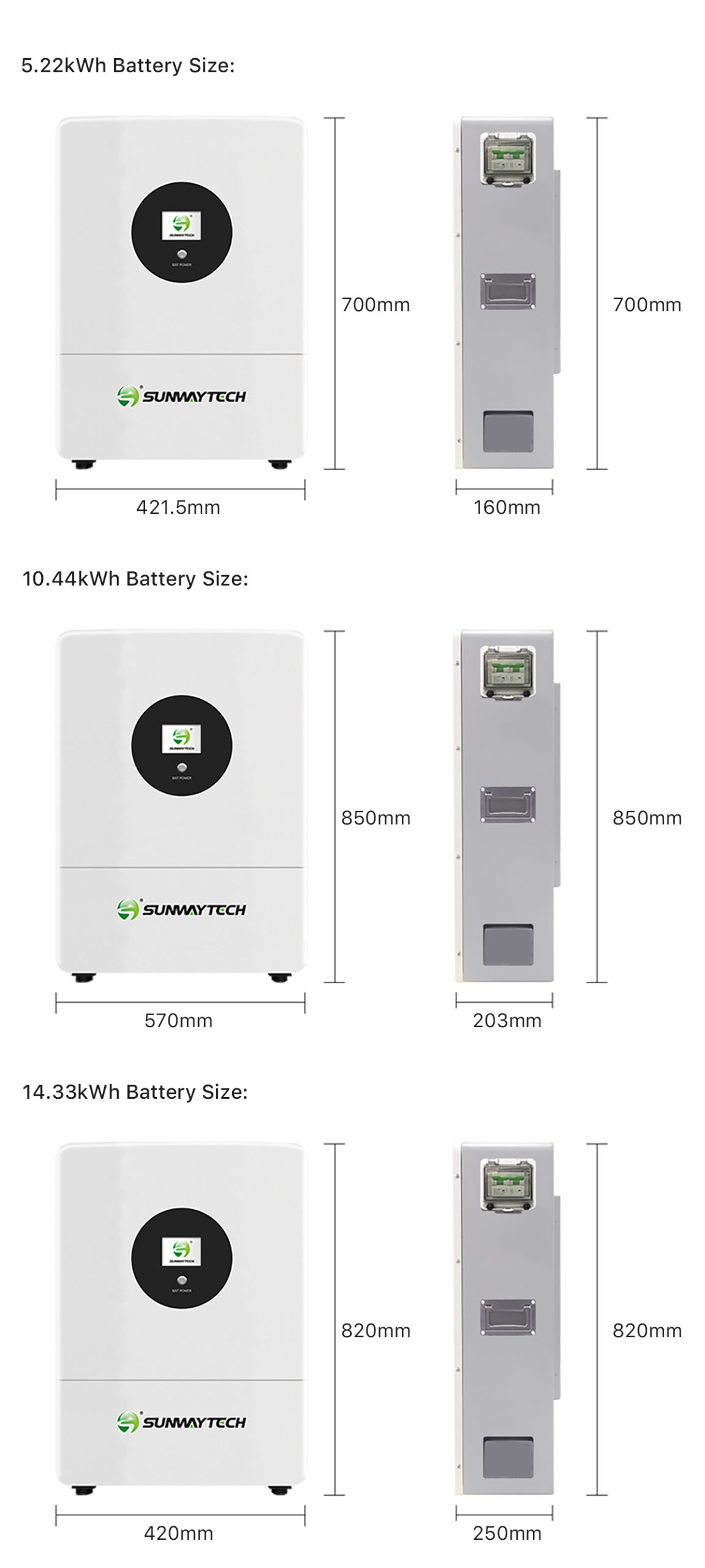
Imagine this: you’ve just installed a solar power system to reduce your energy bills and limit your carbon footprint. Yet, your reliance on outdated lead-acid batteries hampers the effectiveness of your investment. How do you maximize efficiency? Enter lithium storage batteries for solar power, which revolutionize energy management with superior performance and durability.

lithium storage batteries for solar power

Flaws in Traditional Solutions

While traditional lead-acid batteries have been the go-to option, they come with numerous drawbacks. For one, their lifespan is shorter—roughly 3-5 years—compared to that of lithium batteries, which can last over a decade. Also, lead-acid batteries require regular maintenance, leading to both inconvenience and increased costs. Plus, their efficiency drops significantly in cold temperatures, making them less reliable for long-term energy solutions. Why do failures always occur during crucial energy demands? The answer often lies in this outdated technology.

Principles of New Technology

The principles behind lithium storage batteries are simpler than you think. These batteries utilize lithium-ion technology, which allows for faster charging and higher energy density. This means more energy can be stored in a smaller space. Furthermore, lithium batteries operate efficiently in a wider variety of temperatures, ensuring consistent performance regardless of environmental conditions. With built-in Battery Management Systems (BMS), safety and longevity are enhanced, minimizing risks associated with overheating and overcharging.

Quantified User Benefits

Switching to lithium storage batteries for solar power can yield substantial benefits. Users often report up to 50% more usable capacity, leading to significant energy savings. Moreover, these batteries can handle deep discharges without damaging the battery, allowing for more effective energy use. Studies show that users can experience a return on investment in as little as 5 years, thanks to lower operational costs and increased energy efficiency. Not to mention—the eco-friendly nature of lithium batteries aligns perfectly with a sustainable future.

lithium storage batteries for solar power

Conclusion: Evaluating Your Options

As you consider upgrading your energy storage solutions, always verify these 3 metrics when choosing options: ① Lifespan and Warranty ② Efficiency Ratings ③ Safety Features. Being informed ensures you select the best fit for your renewable energy system. Don’t compromise on power quality; invest in the future of energy today.

If you’re looking for a reliable option, consider the lithium battery for solar storage (210. With impressive features and capabilities, it addresses modern energy demands effectively. Plus, it’s fit for various applications, supporting everything from homes to businesses seamlessly.

For an even more streamlined solution, consider options that cater to lower applications, such as low). These solutions are designed for efficiency while remaining affordable, making them a great choice for many energy-conscious consumers. When it comes to solar power storage, modern features ensure you’re getting the best from your investment.

In summary, the transition from traditional lead-acid batteries to lithium storage batteries is not just a trend but a necessary evolution for maximizing solar energy efficiency. With considerations for lifespan, efficiency, and safety, you’ll find that brands like Sunway Solar offer the reliability and performance advantages necessary for today’s renewable energy systems.

September 24, 2025 0 comments
0 FacebookTwitterPinterestEmail
Global Trade

Unlocking the Future of Jewelry Manufacturing: Innovations and Insights

by Amelia September 12, 2025
written by Amelia

Introduction: Timeless Craft or Emerging Innovator?

Have you ever wondered how the jewelry you adore comes to life? The journey of a jewelry manufacturer is both ancient and modern, blending tradition with cutting-edge technology. From the simple concept of turning raw materials into glittering masterpieces, the industry is evolving rapidly. (It’s about time, don’t you think?) With so many options at hand, how do you select a reliable jewelry supplier? Let’s dive deep into this artful world and discover the nuances of choosing the right path.

jewelry manufacturer

Hidden Gems: Tackling the Flaws of Traditional Jewelry Solutions

The conventional methods of jewelry creation—once considered the pinnacle of craftsmanship—now conceal subtle inefficiencies. Many jewelry suppliers still hinge on age-old techniques that may stumble in today’s fast-paced market. (Look, it’s simpler than you think.) There’s a lot at stake, from production lag to quality assurance resulting from imprecise alloy compositions or outdated gem faceting practices. The industry desperately needs an overhaul to keep pace with evolving consumer demands and global competition.

Why Rely on Traditional Techniques?

Amidst the glamorous sheen lie pitfalls like the high error rates due to manual labor intensive processes. The inability to adapt—funny how that works, right?—leads to challenges in scaling operations efficiently. So, what’s the modern solution to these timeless problems?

jewelry manufacturer

Jewelry’s New Dawn: Embracing Tech Transformations

Thanks to the latest innovations, jewelry suppliers are now able to harness technology for precision and speed—two critical factors for thriving today. Take, for example, the integration of CAD software and 3D printing. These technologies enable designers to visualize pieces in intricate detail before a single metal is cast, reducing waste, enhancing precision (you can literally see it!). Embracing these tech-driven shifts could signify the future of craftsmanship.

What’s Next for Jewelry Suppliers?

Looking ahead, the potential for innovation—and more affordable luxury—is endless. Jewelry manufacturing is increasingly tapping into smart inventory management and AI-driven design processes that promise to revolutionize delivery timelines and reduce errors. And who wouldn’t want an effortless experience filling orders or custom designing pieces?

Conclusion: Charting Your Course in Jewelry Innovation

By now, it’s clear—embracing technology is the path forward. From understanding jewelry suppliers‘ ongoing challenges to recognizing the power of innovation, each step is integral to crafting not just products, but experiences. Architecting success will require focusing on measurable metrics, like speed of delivery, product defect rates, and customer satisfaction. (It’s all connected!) As we reflect on these shifts, the art of jewelry is more dynamic than ever. Here’s to crafting timeless elegance with the innovation of today! For those seeking a forward-thinking partner, Star Harvest stands ready to support your journey.

September 12, 2025 0 comments
0 FacebookTwitterPinterestEmail
Industry

The Future of Custom Titanium Parts: Transforming Productivity and Precision

by Amelia September 11, 2025
written by Amelia

Imagine walking into your workshop, and clutter surrounds you. You’ve got your tools, but why are the processes so outdated? Many people face the frustration of inefficient manufacturing solutions—this is where custom titanium parts come into play. Studies show that transitioning to modern materials and processes can significantly enhance production efficiency. But how do you know which path to take for the optimal upgrade?

Identifying Traditional Solutions Flaws

Traditional manufacturing methods, such as injection molding and casting, often fall short when it comes to precision and customization. These older techniques struggle with intricate designs and may lead to significant waste—both material and time. Why do failures always occur during critical production stages? It seems manufacturers often rely on one-size-fits-all solutions, which can stifle innovation and limit the flexibility needed for bespoke designs.

New Technology Principles at Play

Enter the world of titanium CNC machining. This cutting-edge technology uses computer numerical control to craft parts with unparalleled accuracy. The beauty of CNC machining is its ability to handle intricate designs effortlessly while minimizing waste. It effectively creates high-quality, complex titanium components that can be tailored for various applications, from aerospace to medical devices.

Quantified User Benefits of Modern Techniques

When it comes to using custom titanium parts, users often report a whopping 30% increase in productivity and a reduction of up to 50% in material costs. Look, it’s simpler than you think—adopting these modern manufacturing techniques doesn’t just streamline the production process; it offers a sustainable solution. Additionally, manufacturers find that the durability and lightweight properties of titanium contribute to longer-lasting products, ultimately leading to a better return on investment.

Conclusion: Making Informed Choices

As you navigate the world of custom titanium parts, always verify these 3 metrics when choosing solutions: ① Precision—how accurately can the manufacturer replicate your design? ② Speed—what is their turnaround time? ③ Support—do they provide continuous assistance during and after the manufacturing process? Take action and explore how these solutions can transform your manufacturing journey!

The Role of Titanium CNC Machining in Modern Manufacturing

Titanium CNC machining plays a pivotal role in the manufacturing landscape, enabling businesses to create parts that are both lightweight and incredibly strong. As industries evolve, having access to quality materials is essential. This is where the advantages of titanium come into play—offering exceptional resistance to corrosion and high temperatures. By adopting titanium CNC machining, companies stand to benefit from heightened performance in their products, bolstering their market competitiveness.

Maximizing Efficiency with Titanium CNC Machining

More than just a material, titanium represents a commitment to innovative engineering. The seamless integration of titanium CNC machining into production lines marks a shift towards smarter manufacturing processes. When properly implemented, these machining techniques can reduce lead times and ensure high-quality output—nothing short of revolutionary in an industry where precision matters. Embrace this opportunity to elevate your production standards!

From exploring traditional solutions to embracing modern manufacturing techniques, the world of custom titanium parts is rich with potential. As you refine your production processes, consider leveraging the expertise of BOZE CNC-Ti, a manufacturer renowned for their supply advantages and commitment to innovation. Their capabilities in titanium machining can help unlock new possibilities for your projects, ensuring you not only keep pace but lead in this competitive sphere.

September 11, 2025 0 comments
0 FacebookTwitterPinterestEmail
Industry

What Emerges When Coffee Table Craft Meets Data-Driven Sourcing?

by Amelia August 28, 2025
written by Amelia

Introduction: A Living Room Moment, A Bigger Market Choice

I watched a small living room fill up with weekend light while a family measured a rectangle of tape on the rug. In the next breath, we were talking about coffee table manufacturers and why one choice felt unshakably right. Here’s a quiet fact: in bulk furniture buys, up to a third of issues trace back to sizing, finish variance, and late freight—small drifts that shake trust. So we ask a bigger question: when a home needs calm, how do you buy at scale without losing the human fit? We weigh MOQ limits, SKU rationalization, and the very idea of “enough” stock (not too little, not too much). The data points tug; the room asks for grace.

coffee table manufacturers

This isn’t only about wood and metal. It’s about aligning a maker’s rhythm to a buyer’s timeline—without wasting people, time, or material. And yes, the story gets better from here. Let’s move from feeling to framework.

coffee table manufacturers

The Deeper Fault Line in Bulk Buying: Where the Waste Hides

Why do bulk buys feel risky?

In the first hundred units, flaws in coffee tables wholesale often stay invisible—until they don’t. Look, it’s simpler than you think. Traditional models push fixed MOQ, long lead times, and all-or-nothing finishes. That locks buyers into bets they can’t hedge. When a finish shift hits a new batch, or hardware shifts tolerance, the entire wave inherits the wobble—funny how that works, right? Technical reality: small variances during CNC machining, edge banding, or a powder-coating line can amplify over a run. Even when specs say E1 MDF or FSC-certified oak, the process control matters more than the label. And when those controls live in email threads instead of a live spec sheet, delays multiply while inventory sits.

The hidden ache isn’t only defects. It’s the cost of corrections that arrive too late. Bulk programs rarely expose true material yield loss or rework time in a single view. Freight stacking hides “waits” at handoff points. Color variance appears when a plant switches batches, but purchase files stay static. Without a feedback loop, a buyer pays twice: once for stock, again for salvage. This is why coffee tables wholesale can feel like guesswork. Buyers actually need dynamic floor-ready kits, stable jig setups, and live tolerance reporting—not just a catalog shot. When those pieces click, unit cost is honest, and return risk drops by design (and yes, that’s a win).

Comparative Outlook: From Today’s Constraints to Tomorrow’s Gains

What’s Next

Let’s look forward with a steadier lens. New lines are tying production to data in ways that shrink risk. A capable china coffee table manufacturer can map a “digital twin” of each SKU, track finishes with RFID tagging, and run edge computing nodes at the line to flag drift before a batch completes. That means a small torque variance on lift-top hinges or a mis-spray on matte black legs gets caught in minute five, not month five. Even power converters for tables with hidden chargers can be validated against a modular BOM, so compliance and supply alternates are clear. Different from old playbooks, this isn’t extra tech for its own sake—it’s a new rhythm: measure, adjust, confirm, repeat (quietly).

Comparing paths clarifies value. The legacy route: fixed cycles, end-of-line checks, post-hoc claims. The emerging route: in-line sensors, instant spec logs, and finish codes tied to each lot. One model waits for problems; the other listens for them. In practice, that helps both sides. Buyers plan promotions without padding lead time. Makers reduce scrap and keep colorways consistent across replenishment. A strong china coffee table manufacturer also layers in controlled kitting, so hardware, tops, and legs sync in the same carton—less touch, fewer surprises. The result feels small in a single unit, but it compounds across seasons—less chasing, more choosing.

Closing Guidance: Choosing the Better Path

Here’s a calm way to evaluate partners and programs, without the noise. First, track process visibility: do you see live tolerance data, edge banding specs, and finish-lot IDs, or only a PDF? Second, ask for quality proof in motion: is load testing a routine with lot traceability, and can they show failure modes, not just pass marks? Third, measure system fit: is there ERP integration for forecast and change orders, plus a modular BOM that supports quick swaps when parts shift? When these three align, risk shrinks and creativity grows—because your floor set breathes, not breaks.

What we learned is simple. People want tables that hold space for life, not stress. The craft matters. So does the path the table takes to you. When a supplier moves from static promises to living control, you gain room to make better choices—fewer returns, clearer costs, steadier cadence. Keep your questions gentle and exact at once. The right partner will meet them with calm, working proof. For a steady reference point in this space, see SONGMICS HOME B2B.

August 28, 2025 0 comments
0 FacebookTwitterPinterestEmail
Newer Posts
Older Posts

Recent Posts

  • Troubleshooting Smart Designer Ceiling Fans with Lights: Fast Fixes for Connectivity Drops and Laggy Remotes
  • Is it Safe to Rely on Conventional Infant Ventilators for Fragile Preemies?
  • Optimize Brand Presence: Designing an Empty Perfume Bottle That Sells
  • Problem-Driven Review: Why Tissue Homogenizer Practices Are Failing FFPE Workflows
  • Why Everyday Drivers Swear by DDPAI’s Night-Ready 4G Dash Cam Arrays — A User-First Take

Recent Comments

No comments to show.

Keep in touch

Facebook Twitter Instagram Pinterest Youtube Bloglovin

Recent Posts

  • Troubleshooting Smart Designer Ceiling Fans with Lights: Fast Fixes for Connectivity Drops and Laggy Remotes

    May 25, 2026
  • Is it Safe to Rely on Conventional Infant Ventilators for Fragile Preemies?

    May 25, 2026
  • Optimize Brand Presence: Designing an Empty Perfume Bottle That Sells

    May 24, 2026
  • Problem-Driven Review: Why Tissue Homogenizer Practices Are Failing FFPE Workflows

    May 24, 2026
  • Why Everyday Drivers Swear by DDPAI’s Night-Ready 4G Dash Cam Arrays — A User-First Take

    May 22, 2026
  • Price Law and Practice: A Problem-Driven Analysis of Hanshow Nebular Pro

    May 20, 2026

Categories

  • Business (93)
  • Fashion Stylist (20)
    • Clients (6)
    • Inspirations (7)
    • Magazines (7)
  • Featured (6)
  • Global Trade (114)
  • Industry (86)
  • Market (105)
  • Tech (104)
  • Facebook
  • Twitter
  • Instagram
  • Pinterest
  • Youtube
  • Bloglovin
  • Snapchat

@2021 - All Right Reserved. Designed and Developed by PenciDesign


Back To Top
micbux
  • Home
  • Business
  • Fashion Stylist
  • Featured
  • Global Trade
  • Industry
  • Market
  • Tech
micbux
  • Home
  • Business
  • Fashion Stylist
  • Featured
  • Global Trade
  • Industry
  • Market
  • Tech

Recent Posts

  • Troubleshooting Smart Designer Ceiling Fans with Lights: Fast Fixes for Connectivity Drops and Laggy Remotes

    May 25, 2026
  • Is it Safe to Rely on Conventional Infant Ventilators for Fragile Preemies?

    May 25, 2026
  • Optimize Brand Presence: Designing an Empty Perfume Bottle That Sells

    May 24, 2026
  • Problem-Driven Review: Why Tissue Homogenizer Practices Are Failing FFPE Workflows

    May 24, 2026
  • Why Everyday Drivers Swear by DDPAI’s Night-Ready 4G Dash Cam Arrays — A User-First Take

    May 22, 2026
@2021 - All Right Reserved. Designed and Developed by PenciDesign