
What’s the problem?
Mixing sounds easy, but tiny lumps, weird foam, or oil that refuses to blend make people frown. You want a mixer that fixes that fast. A few makers love high shear batch mixers because they beat lumps and make creams smooth — but not every high-shear machine is right for every little kitchen or lab. We’ll figure out why trouble shows up and what you should watch for.
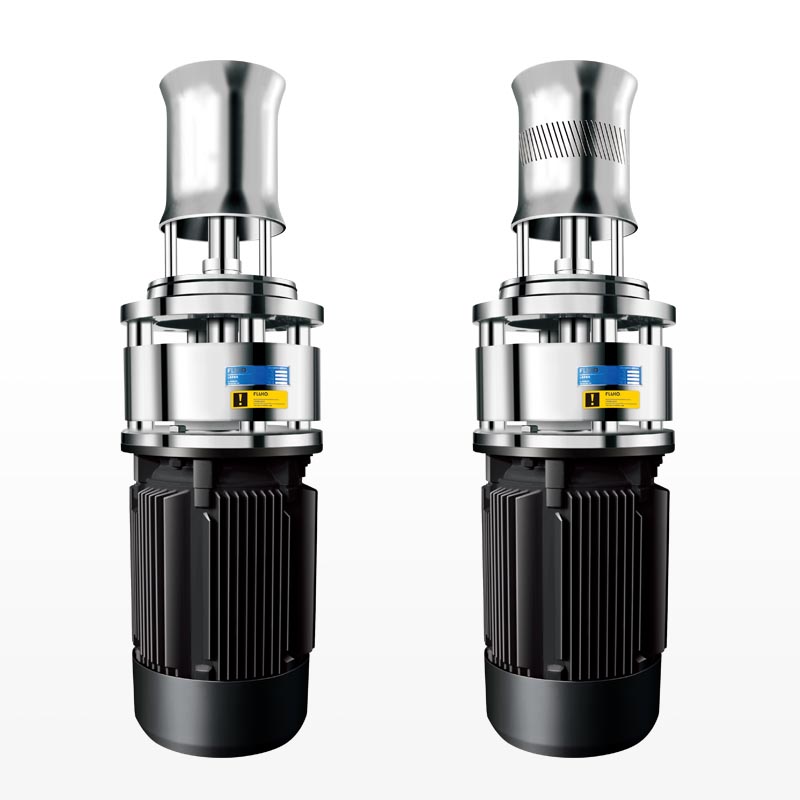
Why the goo goes wrong
Too little speed gives chunky mixes. Too much speed heats things and kills delicate ingredients. The wrong blade or container leaves dead spots where powder hides. The wrong order of adding things makes oil float on top. Fix one thing and another pops up. See the pattern? Problem-first thinking helps: find the exact trouble and match the tool to it.
Real-world experience that matters
I’ve worked with small teams making vitamins and tinctures, and I’ve watched demos at SupplySide West where pros showed careful scale-up steps. That taught me to treat batch size, shear level, and cleaning as equal players. If you look for a nutraceutical batch mixer, check how it handles powder wetting, shear control, and cleaning between formulas.

Which tools try to solve which problem
Rotor-stator mixers: great for quick emulsions and small batches, but they can heat things and need careful cooling. Ultrasonic homogenizers: tiny and precise for lab trials; they struggle at larger volumes. High-pressure homogenizers: powerful and fine for stable suspensions, yet costly and complex. Batch high-shear mixers: balanced for many nutraceutical makers, fast and familiar, but watch shear settings so you don’t break sensitive actives.
Common mistakes to avoid
Adding all powders at once. Running speed at max for the whole mix. Skipping a cleaning cycle between formulas. Using a mixer sized for 100 liters when you only make 5 liters. Choosing a blade because it looks sturdy, not because it matches your recipe. Each mistake creates waste or ruined batches. Fix the habit, not just the machine.
Quick problem-driven checklist
Match batch size to bowl capacity. Match shear range to ingredient sensitivity. Test at small scale first. Time your powder additions; wet powders slowly. Monitor temperature while mixing. Confirm cleanability and seals before you buy. Ask for a short trial run with your actual recipe when possible.
Wrap-up the solution
Pick the mixer that solves your main headache first — lumps, heat, or cleaning — and then make sure it can do the other jobs without trouble. For small nutraceutical makers who need steady mixing, clear shear control, and easy cleaning, that kind of practical match is exactly what you find explained and built by FLUKO.