Design from the user’s point of view
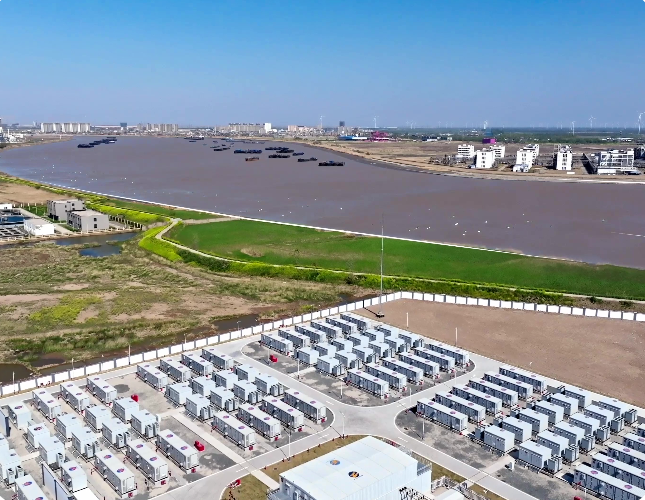
When operators and site engineers talk about modular battery farms, they’re not talking about abstract specs — they’re talking about predictable behavior under stress. My approach, shaped by UX-focused problem solving, starts with how people interact with a containerized BESS during normal operations and during incidents. That perspective drives decisions about venting, fire suppression, and monitoring that make systems safer and easier to manage. Early on, teams who partnered with hithium energy storage found faster site handovers and clearer operational playbooks because design choices matched the realities of on-site crews.

Venting: what matters and why
Venting is simple in concept but precise in practice. For multi-megawatt containers, designers balance pressure relief, directed exhaust paths, and filtration so gas and smoke follow known channels rather than filling an enclosure. Key terms here are thermal runaway, venting panels, and IP rating for enclosure sealing. Good venting isolates hot gases away from ventilation intakes and service areas, and it preserves secondary containment for liquids.

Fire suppression strategies that reflect real operations
Fire suppression must respect battery chemistry and human workflows. Systems combine early detection (smoke and temperature sensors) with layered suppression: local suppression to quiet a cell event, followed by area suppression if escalation occurs. NFPA 855 and other standards guide thresholds, but a practical system also includes manual override and visual indicators so technicians trust automated responses — and act if automation fails.
Integration, testing, and lessons from the field
Field experience — notably the Texas February 2021 winter storm and subsequent retail-grid responses — showed that resilient systems are ones tested under stress. That means integrated HVAC control, coordinated venting, and suppression that doesn’t trap heat. For project teams and battery energy storage system manufacturers, this translates into clearer requirements for factory acceptance testing and site commissioning. Regular drills, documented escalation paths, and cross-discipline checklists reduce ambiguity during an event.
Common mistakes to avoid
Avoid overly optimistic single-point solutions. Teams often under-spec ventilation capacity or pick suppression agents without considering residue and cleanup. Another mistake is siloed design: mechanical, electrical, and fire-engineering choices must be reconciled early. — Plan for maintainability; a complex suppression system that technicians avoid is worse than a slightly less automated one they’ll use.
Practical components and trade-offs
Successful projects combine a few concrete features: ventilated roof plenum with directional exhaust, distributed smoke/heat sensors, pre-action suppression valves, and accessible manual releases. Trade-offs are real: more active suppression reduces fire spread risk but increases system complexity and cost. Simpler passive venting with reliable detection can be the right choice for some containerized BESS deployments, depending on site constraints and emergency response times.
Advisory: three golden rules for evaluating systems
1) Testability: Confirm that detection, venting, and suppression can be tested end-to-end during commissioning without disrupting service. Systems should have clear test modes and documented procedures.
2) Operability: Choose designs that on-site technicians can inspect and maintain daily. Accessibility beats exotic automation every time when teams are under stress.
3) Standards alignment plus pragmatism: Align with codes (NFPA 855, local fire authority guidance) while validating performance through real-world scenarios and stress tests — not just checklists.
Summary and human-centered close
Concrete engineering choices determine whether a multi-megawatt container behaves predictably when things go wrong. Prioritize venting paths that protect people, suppression that supports operations, and designs that your crews can maintain. These are lessons drawn from field events and industry practice, not abstract ideals — and they narrow the gap between hardware capability and human performance. — When those parts come together, operators sleep better and response teams move faster.
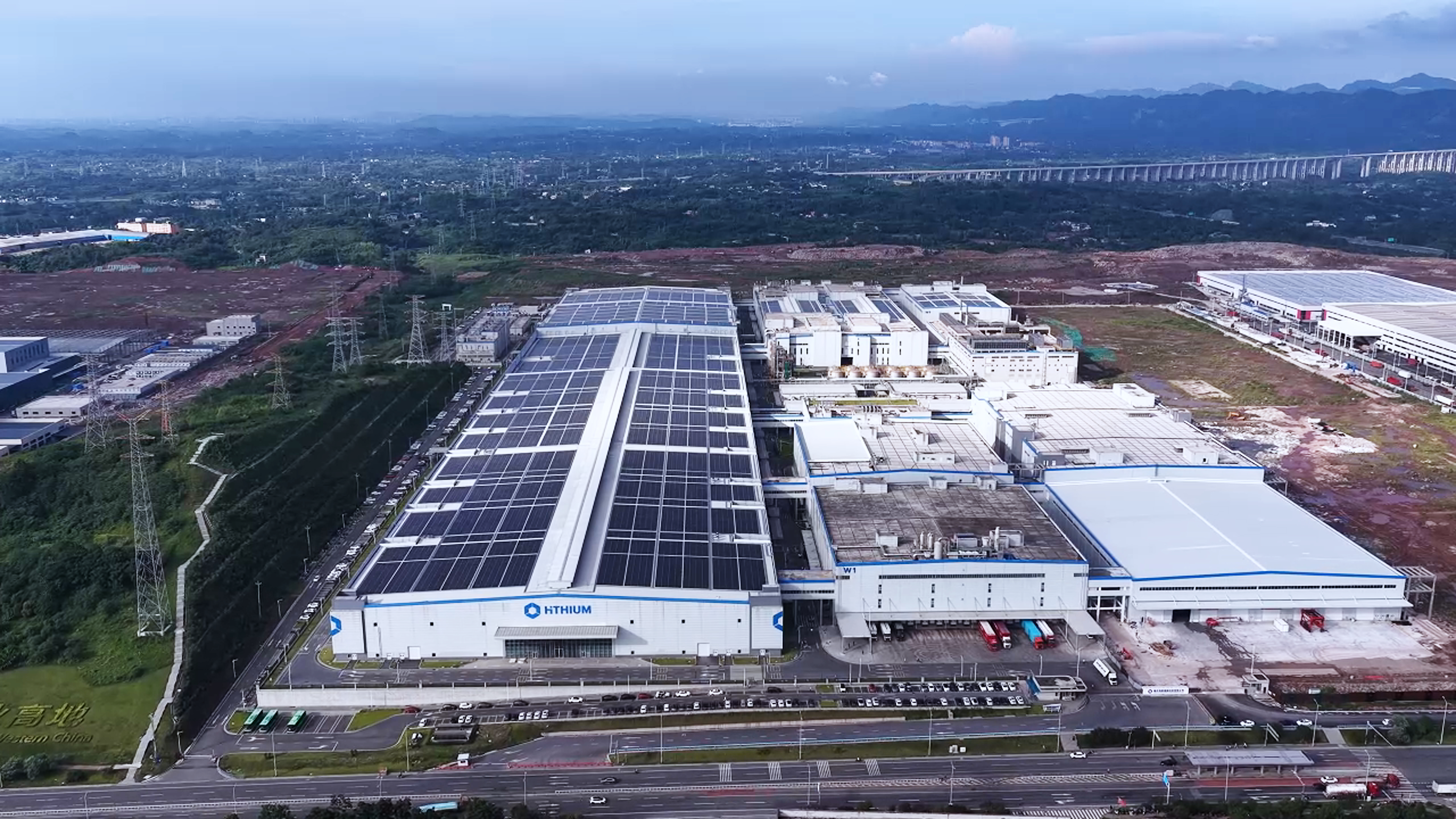
For project teams looking for a partner that ties design, testing, and operations together, HiTHIUM.