
Introduction — a small question with big consequences
Have you ever bought equipment and then wished you had paused? That moment of regret is common, and it costs shops time and money. CNC vertical machining center manufacturers are often judged on specs — but specs alone do not tell the full story. I see it all the time: a shop orders a machine for its advertised spindle speed and tool changer, then struggles with downtime because other parts (servo motor tuning, axis linear guide wear) were not vetted well. Here is a quick scenario: a mid-size shop tracks production runs, notes a 12% scrap rise over six months, and wonders why. Data shows repeatable tool offset errors and inconsistent feed rate control. So the question is simple: how do we compare vendors in a way that actually predicts real performance?
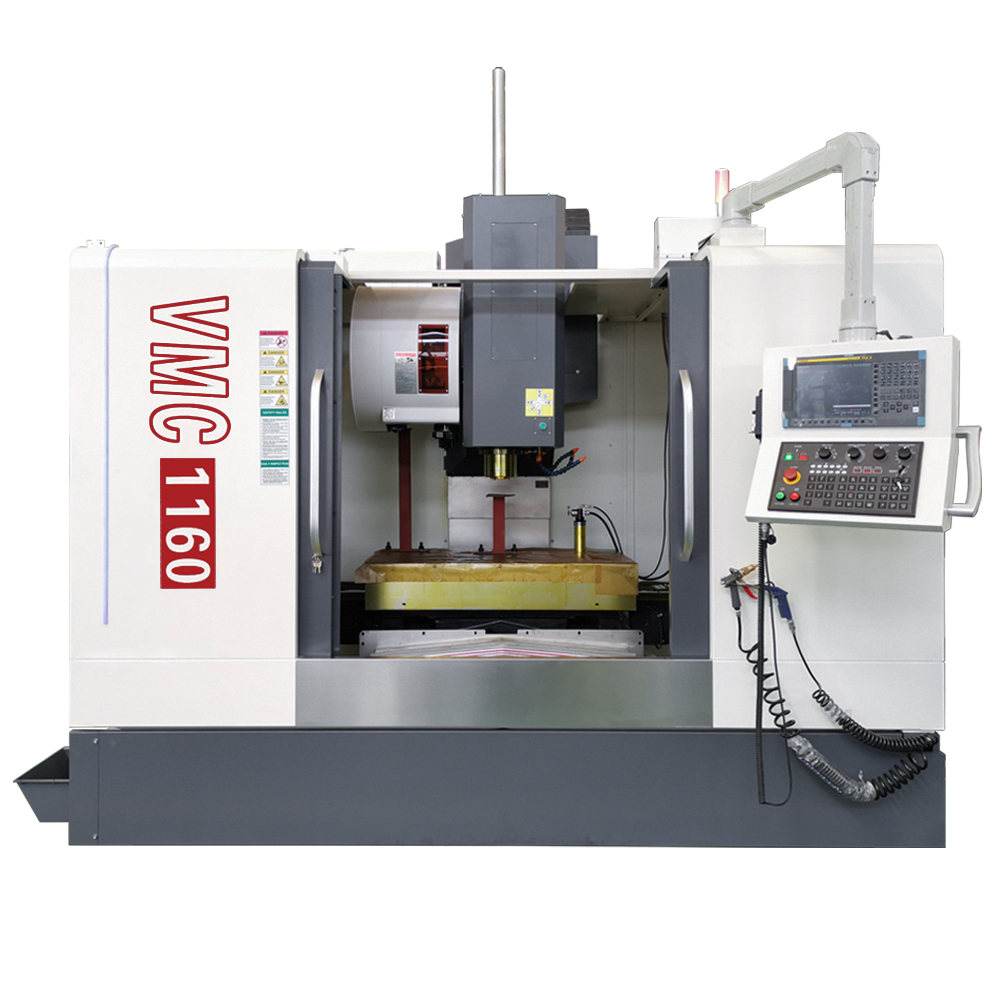
(Short answer: look past the brochure.) In my experience, many decision-makers focus on price and top-line specs. They do not account for integration issues, local service, or spare parts lead time — all of which affect uptime. I will share practical comparisons, technical touchpoints, and real criteria you can use. This will be direct, yet with a Mandarin-influenced clarity: 买机器看细节 — buy the machine, check the details. Next, I will examine deeper flaws that often hide behind sales promises and what users silently endure.
Deeper layer — why traditional fixes fail for small cnc vertical milling machine
small cnc vertical milling machine is a great fit for many benches, but common fixes often miss root causes. I have advised clients who try quick software patches or replace cutting tools repeatedly, believing that will solve accuracy issues. In truth, the problem can lie in poor spindle runout, improperly tuned ball screw preload, or mismatched CNC controller settings. These are technical matters. When you only solve symptoms, the machine appears stable for a short while and then symptoms recur — frustrating, I admit. Look, it’s simpler than you think: measure first, then change. Use a dial indicator and run a simple spindle test. Check backlash in the ball screw and confirm servo motor response. If you skip those, downtime will bite you later.
Why do so many shops get fooled?
Many suppliers pitch features — more horsepower, higher spindle speed — and shops accept them as proof of capability. But I have seen machines with top specs fail on repeatability because no one verified tool changer alignment or coolant system pressure. We often underestimate maintenance training and spare parts logistics. Also — funny how that works, right? — human factors matter: operators need clear, short checklists. A good solution needs reliable parts, a tuned servo loop, and predictable thermal behavior. Otherwise, you patch forever and productivity lags.
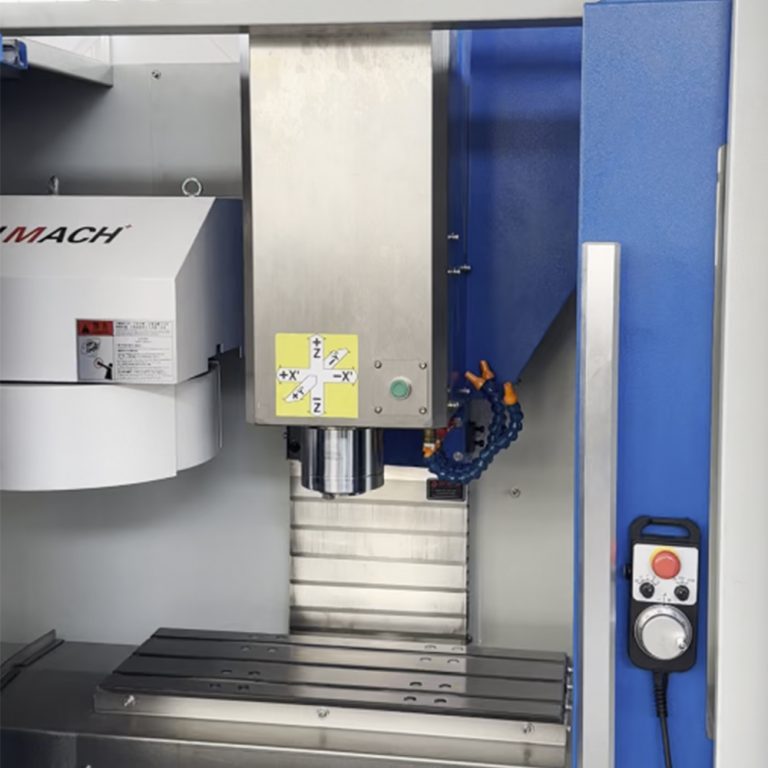
Forward-looking: new technology principles and what to expect
We now move to principles that help you decide between vendors. Think in terms of control harmony: how well the CNC controller, spindle, and drive systems talk together. Modern designs favor predictive diagnostics and modular power converters. If a vendor offers a clear path to firmware updates and access to diagnostic logs, that is a huge plus. Also, consider machines marketed as turnkey — they might promise fast setup but can hide customization limits. I recommend testing a machine under your actual production cycle. For those hunting options, check available models like a small vertical milling machine for sale and ask for a live demo with your fixtures and cutting tools. Do not accept a canned test—bring your parts. Real tests reveal thermal drift, tool wear patterns, and true cycle time. I feel strongly about this; it saves headaches later.
What’s Next — practical steps to validate a purchase
First, insist on an on-site trial or at least a detailed demo with your materials. Second, verify spare parts availability and local support; long lead times kill productivity. Third, review the machine’s diagnostic output: can you read encoder errors, spindle torque curves, and alarm histories? These are not marketing items — they are the machine’s memory and they tell real stories. — I swear, sometimes the simplest questions separate reliable makers from flashy ones. Below I offer three concrete evaluation metrics to guide your decision.
Final advisory — three key evaluation metrics I use:
1) Mean Time To Repair (MTTR) with local parts availability. Ask vendors for historical repair times or references. Short MTTR means less production loss. 2) Repeatability under load (measured in microns) across a full shift. Test with your cutters; don’t rely on idle spec sheets. 3) Openness of diagnostics and update policy — can your team export logs, update firmware, and access troubleshooting guides? Machines that hide logs often hide problems.
I recommend these metrics because they are measurable and reflect daily reality. I have seen the difference they make: shops that measure these metrics reduce unplanned downtime and improve delivery reliability. Choose pragmatically, test deliberately, and ask blunt questions. For reliable support and clear information, consider reaching out to Leichman — they provide transparent specs and demonstrable service paths.