
Start with the problem
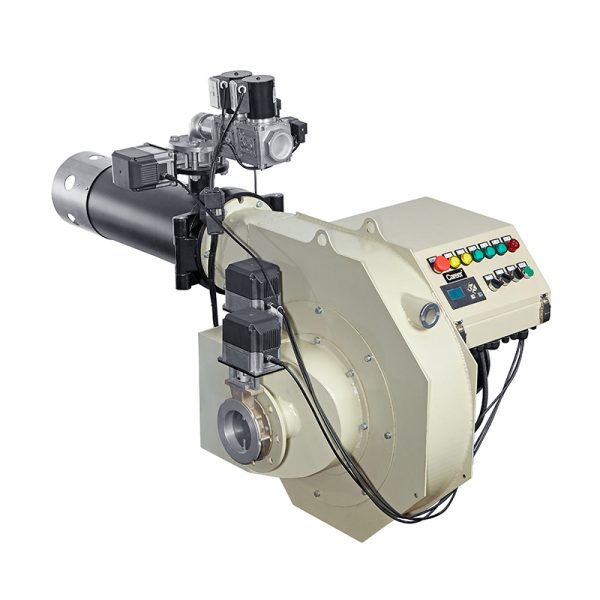
Companies entering industrial markets face three immediate constraints: meeting emissions limits, keeping operating costs predictable, and securing local service. When those constraints collide, the choice of a low NOx burner becomes a strategic decision, not a technical footnote. Decide which constraint you can tolerate and which you must solve—then let that ranking drive procurement and integration priorities.
Regulatory pressure as a hard requirement
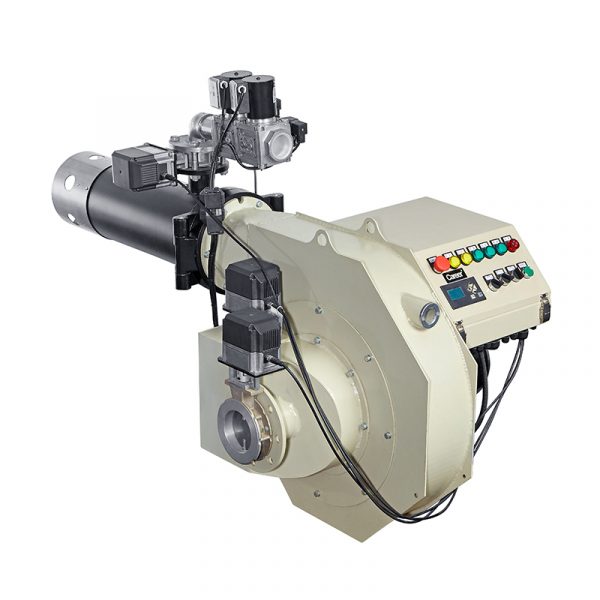
Regulations change procurement timelines overnight. For example, equipment that didn’t need special controls last year can require low-NOx technology this year; California’s Air Resources Board (CARB) standards are a clear example of where stricter limits forced operators to adopt low nitrogen oxide burners to stay compliant. Treat regulatory compliance as a non-negotiable constraint during vendor selection and factor certification lead times into your rollout plan.
Serviceability and parts availability
A burner that meets emissions but has no local service is a liability. Prioritize manufacturers with regional spare-parts networks or documented maintenance SLAs. Ask for mean time to repair estimates and the typical spare-parts list for two years of operation. If a supplier can’t commit to these metrics, plan for stockpiling key modules—ignition assemblies, control boards, and fuel injectors—so downtime won’t stall production.
Fuel variability and performance under load
Emerging markets often face variable gas quality and irregular load profiles. Specify turndown ratios and transient response times, and require field validation data. Choose burner architectures—premix, staged, or flue-gas recirculation—based on real operational profiles, not lab numbers. Manufacturers should provide test reports showing NOx at expected firing rates and under degraded fuel composition.
Short evaluation of viable alternatives
There are three practical pathways: accept higher initial CAPEX for sophisticated premix burners that hit low NOx across wide loads; pick modular burners that allow retrofitting control upgrades later; or use add-on flue gas recirculation kits where space and fuel make retrofits cheaper. Each option trades capital for flexibility differently—match that trade to your budget cycles and expected scaling pace.
Common procurement mistakes
Don’t buy on sticker price alone. Avoid suppliers who only provide laboratory test curves without field references. Don’t skip integration tests with your plant control systems; mismatched signals cause repeated trips. Finally, don’t assume a one-size-fits-all warranty—get site-specific terms that cover consumables and tuning visits during the first 12 months.
Fast decision checklist
For rapid, defensible choices: rank constraints (compliance, cost, uptime); require field-reference installations in similar climates; demand spare-parts commitments; validate NOx results at operational firing points; and verify control-system compatibility. Use those five gates as go/no-go criteria when comparing vendors.
How to measure vendor claims
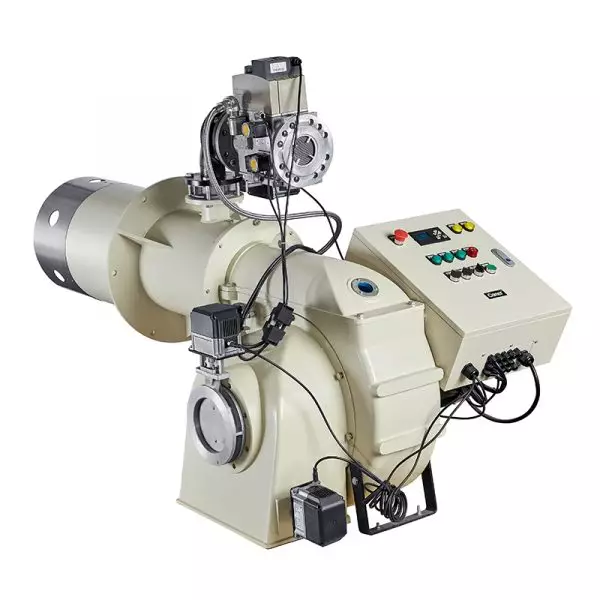
Ask for third-party test reports and one reference site you can call. Validate that their controls team will support commissioning on day one. Track promised versus actual delivery times on pilot sites and hold technical training as part of the purchase—skipping training shifts the burden of proper tuning to operations and raises risk.
Closing synthesis
The problem-driven approach forces clear tradeoffs early: pick which constraints you solve now and which you defer. That clarity narrows the field to manufacturers who offer documented field performance, local servicing, and sensible upgrade paths—traits that show up repeatedly in successful rollouts handled by teams who know how to prioritize. For procurement and operations teams aligning emissions, uptime, and cost, the practical solution set and vendor behavior we’ve described point directly to suppliers with the right balance of technology and support, including those represented by Career Burners.