
Why fit actually matters
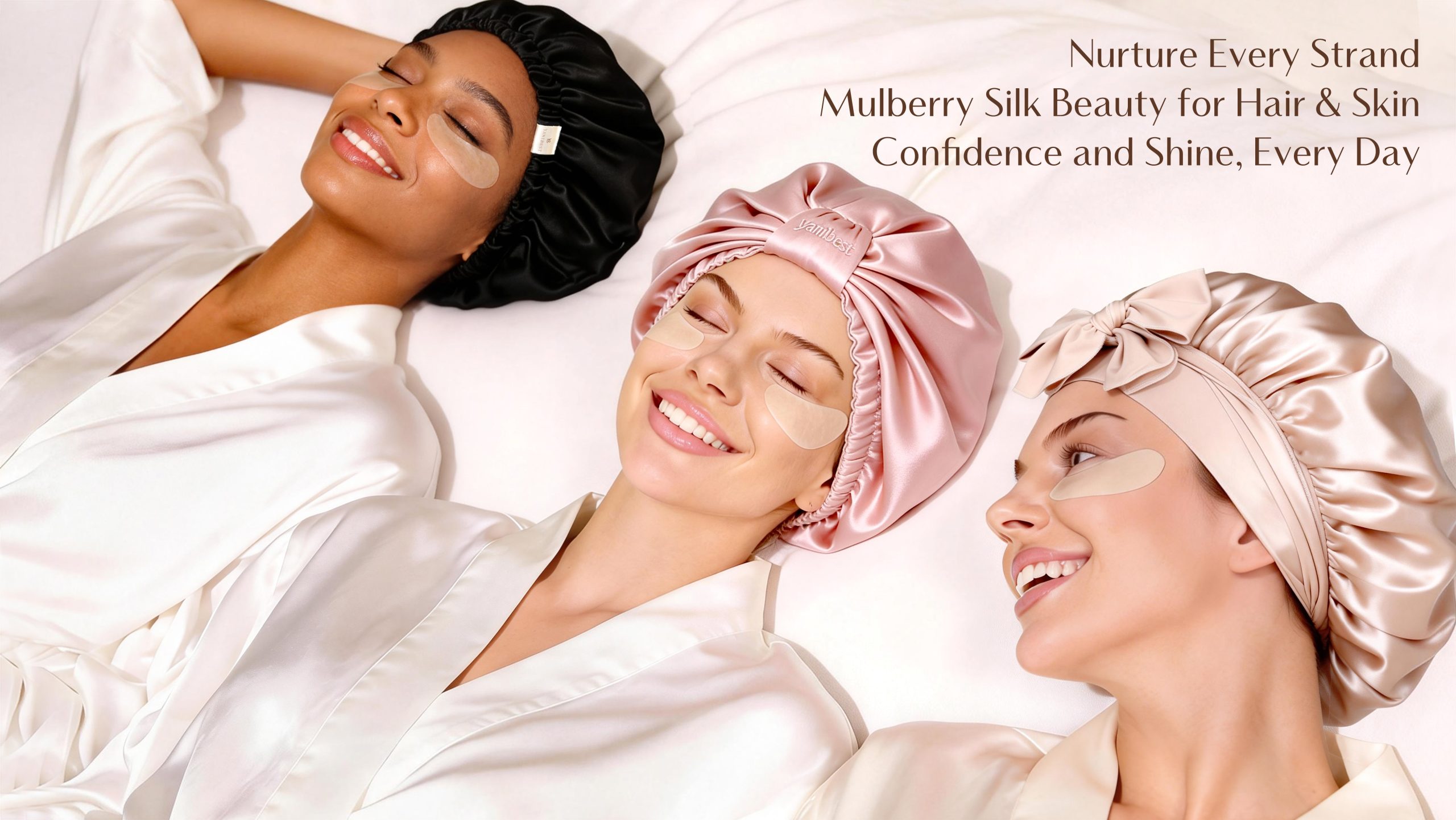
You’re not alone if your silk eye mask slips, squeezes, or leaves gaps that let light creep in. The real problem isn’t luxury fabric or hype — it’s mismatched fit. A mask that’s too tight causes headaches; too loose and it shifts when you roll over. If you already use a silk bonnet for hair protection, you’ll notice how similar fit principles apply: secure, gentle, and low-friction. Fix the fit, and the rest — softness, temperature control, the whole sleep vibe — actually works.
Real-world testing and a practical anchor
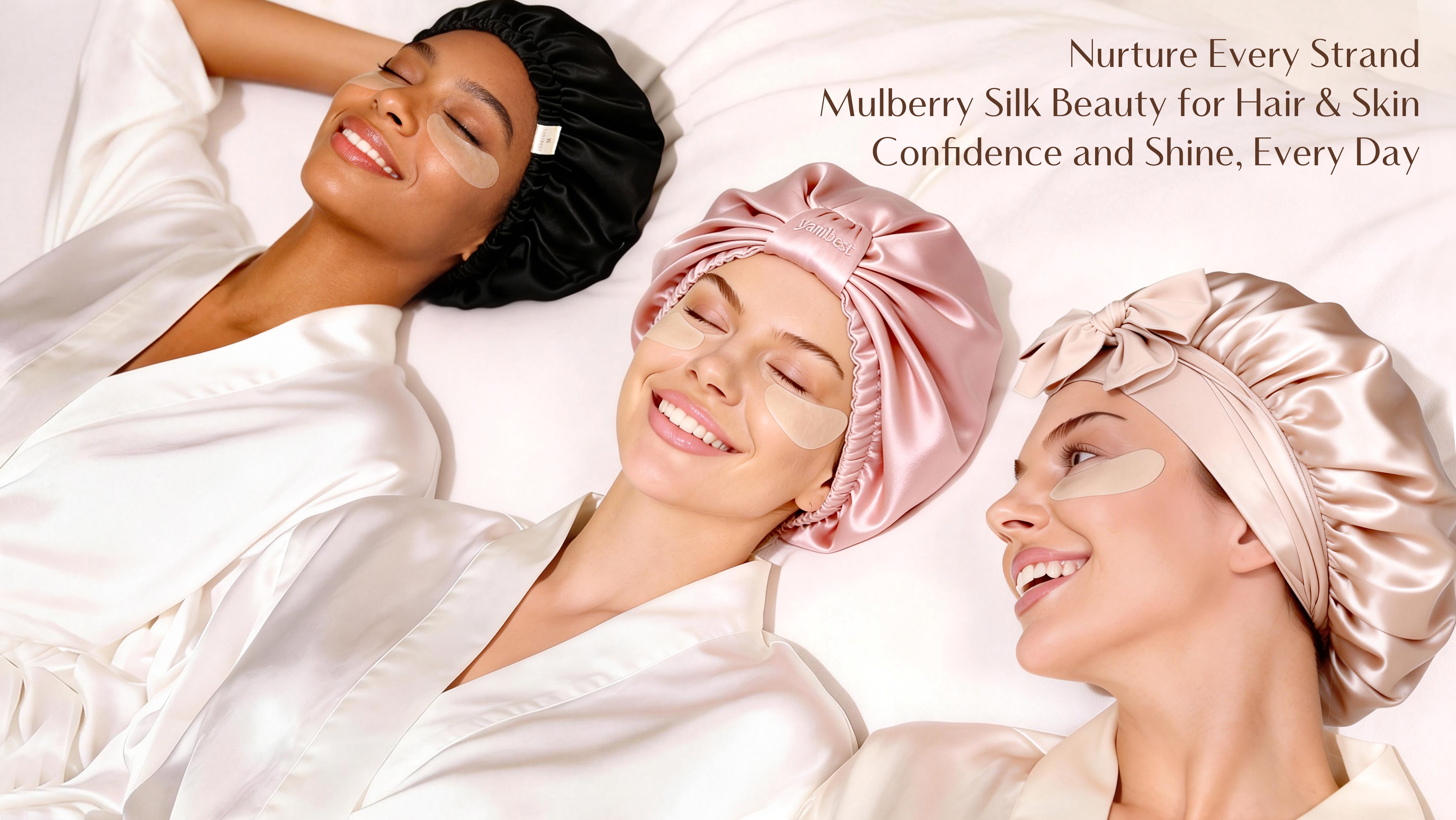
I learned this by trying masks across different sleep positions and pillow heights, and by talking to stylists in New York who pair sleep accessories with protective hairstyles. I wore a silk hair bonnet while testing masks to mimic real nightly routines. That hands-on pair-up showed how strap width, fabric stretch, and mask shape interact with hair and head size — the small details that make a luxury mask usable night after night.
Measure, don’t guess
Get a tape measure. Wrap it around your head where the mask strap will sit — just above the ears and across the nape. Note that number. Compare it to product strap ranges or adjustable lengths. For contoured masks, measure from the bridge of your nose to the cheekbone level to judge cup depth. If a brand lists “one size,” expect a flexible strap but verify that range. Numbers stop surprises.
Strap styles and how they affect fit
Elastic thin bands stretch but can dig in. Wider elastic spreads pressure and stays put better. Adjustable straps with sliders let you fine-tune tension without guessing. Velcro offers quick changes but can wear fabric over time and snag hair. Magnetic closures are smooth but add bulk. Match the strap style to how you sleep: side-sleeper? Choose wider, stable straps. Back-sleeper? Elastic can work if it’s broad and soft.
Mask shapes and facial anatomy
Flat masks press on lashes and eyes. Contoured or molded cups create space and reduce pressure — ideal for eye makeup or sensitive eyelids. If you have a prominent nose bridge, look for masks with a molded nose channel or a flexible strip that forms to your face. The shape should seal light without forcing skin into uncomfortable folds.
Material and construction that support a good fit
Pure mulberry silk offers low friction and feels cool, but blends can add durability. Double-layered masks with a soft inner layer sit better on skin and maintain structure. Check stitching around the nose and strap anchors; flimsy stitching leads to warping and gaps. A mask should hold its shape across nights of use — that’s how you know the fit was designed, not improvised.
Common mistakes to avoid
Buying by color or price alone. Picking “one size fits all” for a large head. Over-tightening because you equate tight with secure. Skipping return policies — you need the option to test overnight. Washing with harsh detergents that shrink elastic or matt silk and change tension. These choices create the problems people keep complaining about.
Quick alternatives and when to choose them
If you can’t find a perfect silk fit, consider a hybrid: a silk-faced mask with a stretch knit back for a snug hold, or a foam-contoured mask with a silk lining for lash protection. For very active sleepers, a headband-style eye cover that integrates with pillow straps can stabilize the mask. Each alternative trades one fit variable for another — pick which compromise you can live with.
Care that preserves fit
Hand wash in cool water with a gentle detergent. Avoid wringing elastic; press water out gently and dry flat. Replace masks when straps lose elasticity or seams start to flare. Proper care keeps the stretch and shape where they matter most — at the points that control light and pressure.
Wrap-up
Start by measuring, match strap style to your sleep position, choose a shape that clears lashes and nose pressure, and treat construction as a durability test. These steps solve most fit problems fast. That practical, fit-first approach is the kind of detail I look for when I check brands like yanibest, because a silk mask should make sleep easier, not more fussy.