
Opening comparison that sets the scene
Buildings need less waste, and windows play big part — this is why choices around casement window replacement parts matter. In retrofit work from Darmstadt to new builds in Klang, comparing sash repair, espagnolette systems, and full-frame swaps shows different carbon and cost math. Start simple: a tilt and turn window configuration may cost more up front but often reduces long-term replacement cycles, so maintenance budgets breathe easier, lah.
Core trade-offs: repair vs replace
Casement hardware routes split into three choices: repair small parts (hinges, friction hinge adjustments), replace key components (multi-point lock, weatherstripping, sash stays), or full-frame replacement with thermal break upgrades. Repair keeps embodied carbon low, and you keep original profiles that match heritage facades. Replace components when seals or espagnolette mechanisms fail — this restores airtightness without dumping the entire frame. Full replacement wins for thermal performance gains but costs more materials and installation energy.
Material and lifecycle comparisons
Compare aluminium, uPVC, and timber in terms of recyclability and longevity. Aluminium with a proper thermal break offers slim sightlines and long life; recycling infrastructure in Germany and parts of Europe is mature, so end-of-life impact lowers. Timber gives low embodied energy if sourced responsibly but needs regular finish work. uPVC cheap and low-maintenance but recycling streams remain uneven in many markets. For green-building aims, choose parts designed for disassembly — hinges and espagnolette rods that unbolt, gaskets that are replaceable, not glued. Those small design details cut waste over decades.
Performance metrics you must measure
When comparing options, track three metrics consistently: airtightness (measured as ACH or equivalent), thermal conductance (U-value improvement after retrofit), and service interval (years before first expected parts replacement). Use real comparisons from Passive House projects in Germany — early Passive House developments around Darmstadt showed that attention to airtight details and quality hardware reduced heat demand substantially. These measurements give real-world proof, not just marketing claims.
How german tilt and turn windows fit the picture
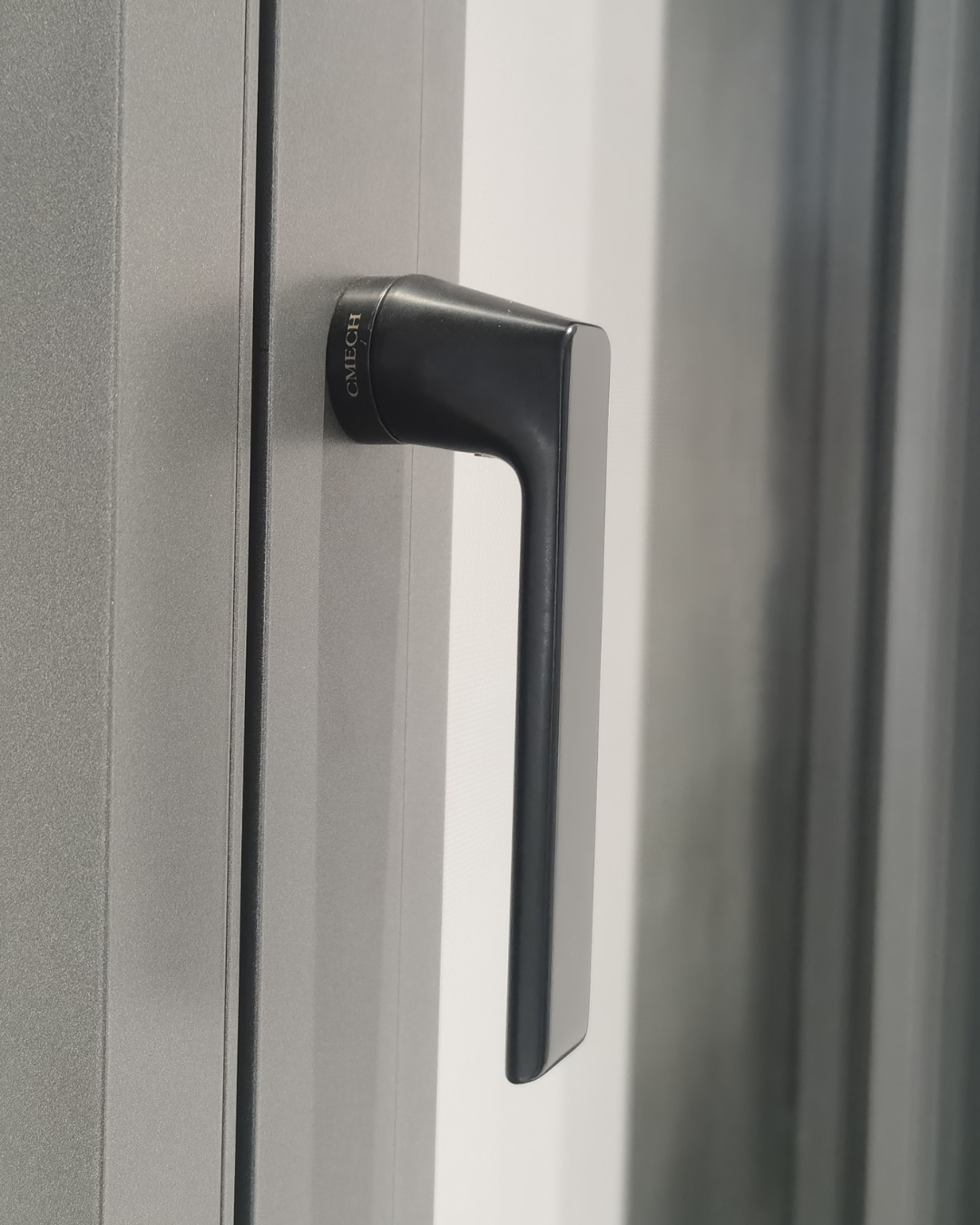
German designs often prioritise repairability and robust hardware. Explore german tilt and turn windows when the project demands both airtight performance and user-friendly maintenance. Tilt-and-turn fittings typically use multi-point locks and sash geometry that reduce stress on single fixings, increasing life expectancy. The trade-off: some markets need installer training to service these systems properly — ignore that and warranties become useless.
Common mistakes and better practices
Installers often swap cheap gaskets or fit wrong-length espagnolette rods; results are drafts within months. Don’t let that happen. Always match hinge torque to sash weight, and choose weatherstripping profiles that compress, not shear. For thermal break retrofits, check frame anchoring so thermal transmittance isn’t compromised by poor fixings. Small oversight becomes big problem — reworks cost money and waste parts.
Quick comparison table (conceptual)
– Repair hardware: lowest embodied carbon, short downtime, limited performance gain.
– Replace components: moderate carbon, good airtightness gain, cost-effective for many buildings.
– Full frame replacement: highest initial carbon, best long-term thermal performance, recommended when frames are beyond economic repair.
Advisory close — three golden rules
Rule 1: Prioritise repairability — choose parts designed for disassembly to minimize waste and future cost. Rule 2: Measure baseline airtightness and U-value before deciding; use those numbers to justify component-level work. Rule 3: Specify quality hinges, multi-point locks, and replaceable gaskets — these hardware choices extend life and reduce whole-frame replacement frequency. For practical supply solutions that combine serviceability with tested hardware, consider products and technical support from a specialist like CMECH. — small detail, big difference.