
Set the Scene: Why Your Lighting Decision Matters More Than You Think
Here’s the bottom line: lighting choices shape brand mood, safety, and cost. When you source from a led lighting manufacturer china, the smallest spec gap can ripple through procurement, installation, and warranty. Picture a café chain refreshing five sites at once; one driver delay pushes opening day by a week, and the budget absorbs the hit. Data backs it up: LEDs can cut energy use by 40%, but mismatched optics, weak thermal management, or low CRI push rework rates up, not down. So, what counts more—speed, precision, or lifecycle value (and what does “value” look like in real use)? We’ll compare what’s common and what’s smart—then we’ll dig into the part many teams miss.
This discussion leans practical and results-focused. We’ll weigh construction methods, driver ICs, and optical control the way a buyer or engineer would. You’ll see how different build choices show up in glare, color, and uptime. Then, we’ll map those trade-offs to real spaces. Stay with me—because the next section breaks open a subtle pain point that hides behind the pretty photos.
Deeper Layer: The Hidden Friction in Bubble Glass Pendants
Why do bubbles matter?
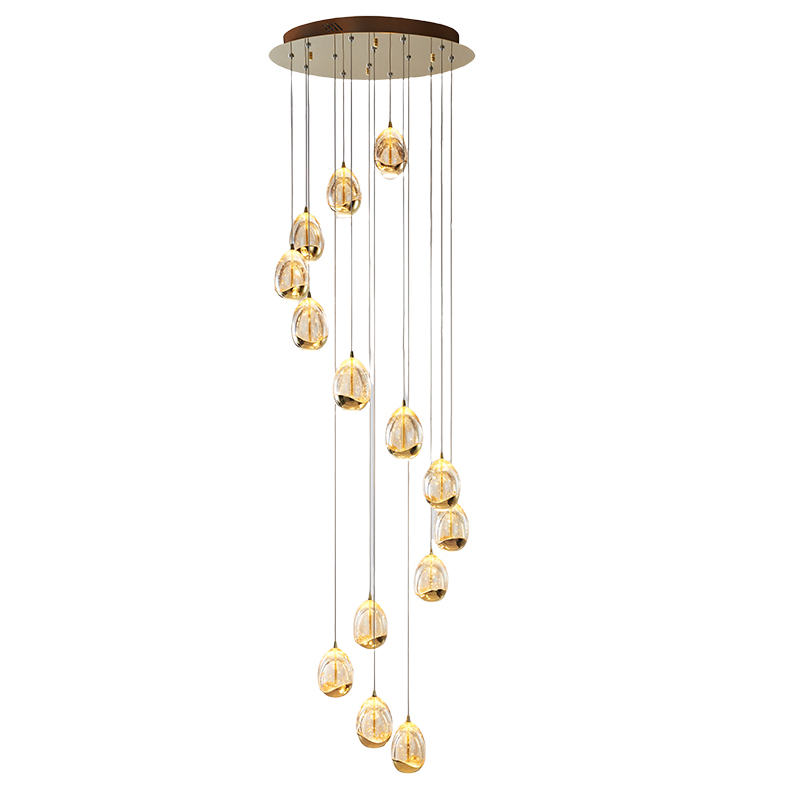
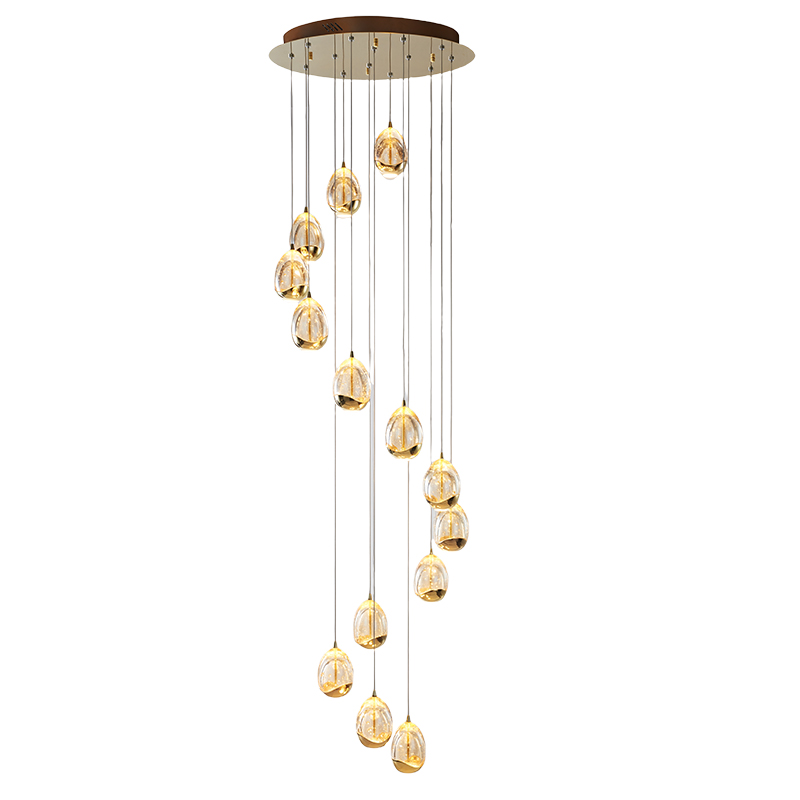
In most catalogs, bubble glass pendant lighting looks flawless. Yet the real story lives in material control and driver behavior. Air inclusions scatter light, which should add sparkle. But inconsistent bubble density can also create hot spots, glare arcs, and weird color shifts on tables. Pair that with a budget driver, low power factor, or sloppy PWM dimming, and you get flicker at low levels. Look, it’s simpler than you think: without tight CRI targets and driver tuning, your warm ambiance turns harsh right when guests sit down—funny how that works, right?
Traditional fixes fall short. Thicker glass diffuses better, but raises weight and load on canopies and anchors. Overpowered heat sinks help stability, but they add bulk and change the silhouette. Cheap diffusers mute sparkle and cut luminous efficacy, so you burn more watts for less beauty. The smarter route is process control. That means consistent bubble sizing, stable driver ICs, and thermal paths that keep junction temperatures in range. When a led lighting partner ties optical lensing to electrical design—down to surge protection and EMI—it cuts rework, extends driver life, and keeps dim-to-warm scenes smooth. The result is not just pretty light. It is predictable light that holds up through nightly cycles.
Forward Look: New Optics, Smarter Control, Better Comparisons
What’s Next
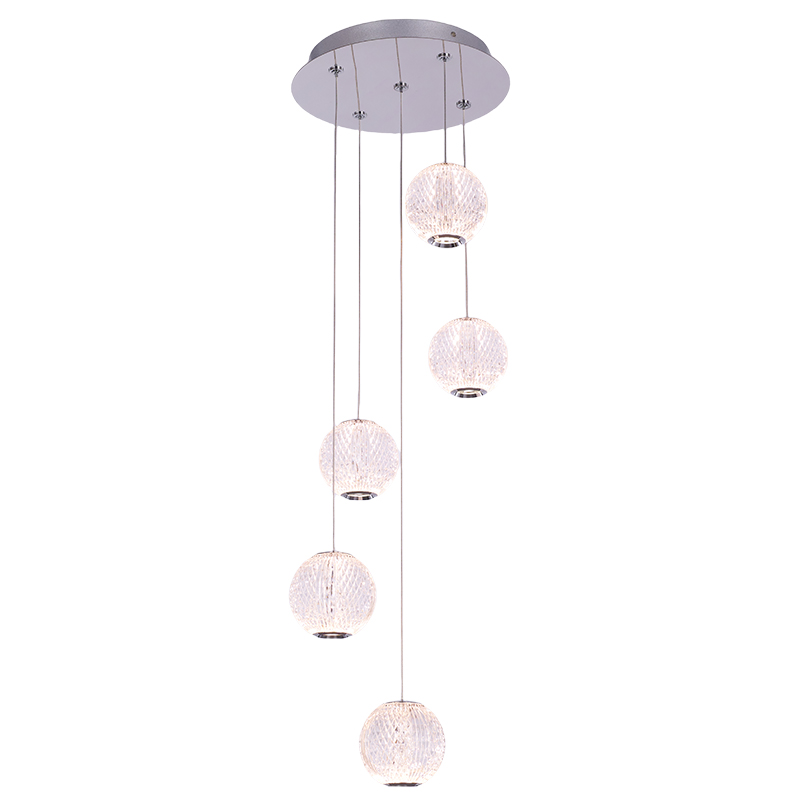
The next leap is precision without the penalty. Micro-textured glass and hybrid diffusers can preserve sparkle while balancing luminance, and driver firmware can stabilize low-end dimming without visible steps. Think principles, not parts. Consistent refractive patterns reduce spike glare, while closed-loop drivers monitor temperature and adjust current in real time. Add simple edge computing nodes or BLE mesh to manage scenes, and your pendants act like a quiet system rather than ornaments. When comparing bubble styles with acrylic pendant light fixtures , you’ll see a clean split: acrylic excels at weight, impact resistance, and optical uniformity; glass wins on depth and sparkle. The technology sweet spot often blends both—glass presence with tuned electronics that keep color and flicker stable across the night.
A brief case view makes it clear. A boutique dining room replaced mixed pendants that flickered under 20% with tuned drivers, better heat sinks, and optimized bubble density. Staff dimmed lower, glare dropped, and seat turns improved because guests stayed longer. Energy use fell, too. Not massive, but steady. And maintenance? Fewer call-outs. That’s not luck—it’s system thinking, end to end. Compare that to a fast spec built only on price—nice for a month, then emergency swaps start. The delta is in the driver envelope, thermal design, and optical consistency—funny how that works, right?
Before you choose, use three metrics. One: luminous efficacy and CRI together, measured at your dimming set points, not just full load. Two: driver stability across temperature and voltage transients—watch for low flicker index and solid surge headroom in the power converters. Three: supply-chain traceability—glass or acrylic batch control, driver BOM transparency, and test records for EMI and PF. Do this, and the “pretty picture” becomes a stable platform that earns back its cost over time. If you want a neutral starting point to benchmark designs and processes from a seasoned source, see kinglong.