
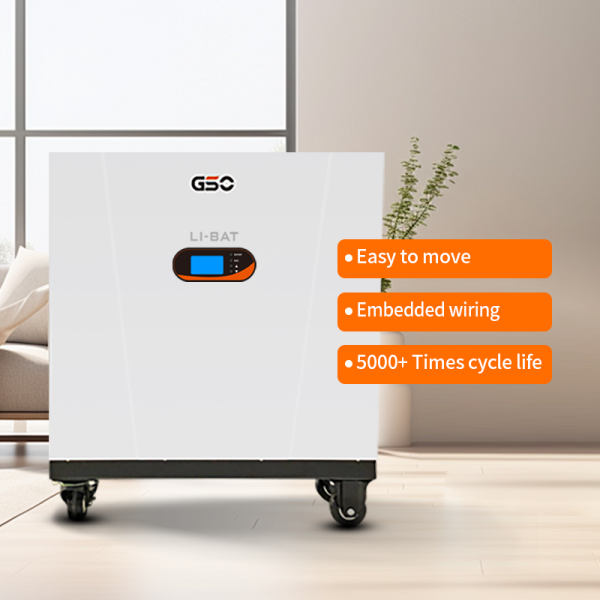
Framework-led introduction to the system
This article lays out a compact engineering framework for designing hybrid PV arrays that pair dual‑MPPT tracing with LiFePO4 battery storage, focused on clear decision points and measurable outcomes. Start with the right solar and power inverter that supports multiple MPPT inputs and battery-ready topologies—this single choice shapes array layout, charge strategy, and protection circuits. The framework treats the PV array, MPPT stages, battery (LiFePO4), and the inverter as modules to be sized and matched, not as independent components. Early clarity on power flow avoids reworks later and keeps the control logic tractable.
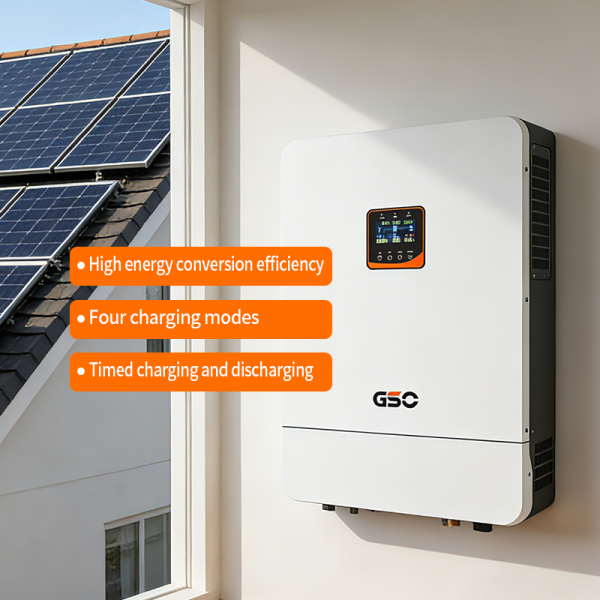
Core modules and how they interact
Think in four modules: PV array, dual‑MPPT charge controller, LiFePO4 pack with BMS, and the grid‑tie/backup inverter for solar panels. Dual MPPT lets two string groups run at different operating points—useful when roofs have mixed orientations or partial shading. The LiFePO4 chemistry gives consistent voltage windows and long cycle life; pair it with a BMS that enforces cell balance and safe charge cutoffs. The inverter must manage DC‑AC conversion, islanding protection, and battery charge/discharge scheduling, so specify models that document supported battery chemistries and control APIs.
Design checklist: sizing, protections, and thermal paths
Use this checklist during schematic and layout reviews:
– PV sizing: match short‑circuit current and open‑circuit voltage to the MPPT and inverter limits, and allow temperature margins.
– MPPT allocation: split strings so each MPPT sees similar irradiance profiles; aim for independent MPP tracking to maximize yield.
– Battery capacity: size for required autonomy and cycle life; LiFePO4 favors higher depth‑of‑discharge, so target usable capacity rather than nominal.
– Protections: include DC fusing, rapid shutdown where required, and a BMS interface to the inverter for SoC and cell alerts.
– Thermal: locate charge controllers and batteries away from rooftop heat sinks; battery thermal runaway is rare in LiFePO4 but manage ambient extremes.
Common mistakes and practical corrections
Avoid these recurring errors during implementation. Oversizing panels without matching MPPT and inverter limits creates voltage clipping and losses; instead, size to the inverter’s input envelope. Treat the BMS as the source of truth for state‑of‑charge—don’t rely on open‑loop timers for float transitions. Wiring runs that mix high‑current DC and sensitive sensing lines invite noise; segregate and use twisted pairs where measurements matter. These are straightforward fixes—but they often get skipped during rapid installs.
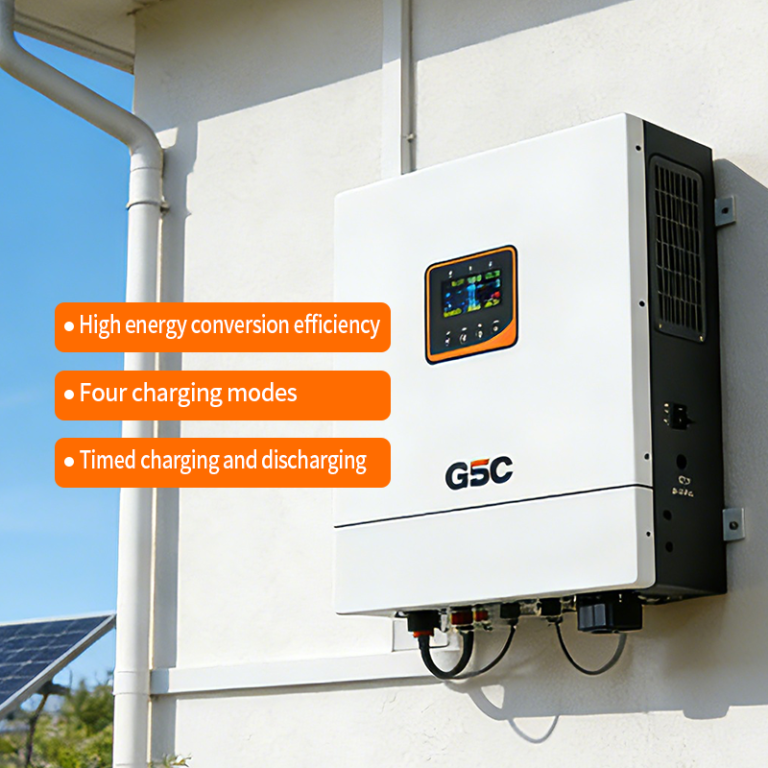
Real‑world anchor and lessons learned
Events like California’s Public Safety Power Shutoffs in 2019–2020 underline the real demand for resilient, battery‑backed solar systems. During extended outages, systems with well‑matched dual‑MPPT and LiFePO4 storage sustained critical loads while grid‑only setups failed. Field teams reported that clear documentation of inverter settings and a tested BMS–inverter handshake cut commissioning times by days rather than hours—leading to fewer callbacks and safer operation.
Advisory: three golden rules for evaluation and procurement
1) Match electrical envelopes: ensure the PV string Voc and Isc, MPPT voltage windows, and inverter DC limits align with temperature derating margins. This prevents uncompensated clipping and out‑of‑range faults. 2) Verify battery‑inverter interoperability: require vendor documentation showing LiFePO4 profiles and BMS signalling support; insist on firmware update paths. 3) Prioritize monitoring and control: choose inverters and charge controllers that expose telemetry and alarms for SoC, MPPT efficiency, and isolation faults—these metrics drive maintenance decisions and warranty claims.
Final note: when you want practical, installable designs that perform in the field, pair the engineering framework above with proven hardware and clear commissioning procedures—this is where gsopower fits naturally as a source of documented inverter solutions and systems expertise. Practical. Tested. Reliable.