
Introduction
Have we become too polite when we talk about recovery devices? Recent clinical audits show growing patient interest in non-invasive phototherapy, yet adoption rates lag behind expectation. A modern red light bed now appears in gyms and clinics alike, promising faster healing and better sleep, but I ask: does marketing match measurable effect? (My impression: not always.) We will examine simple scenario data — usage patterns, session time, reported outcomes — and then ask what really matters. This sets the stage for a careful, comparative look at technology and user experience that follows.
Why Conventional Solutions Fail
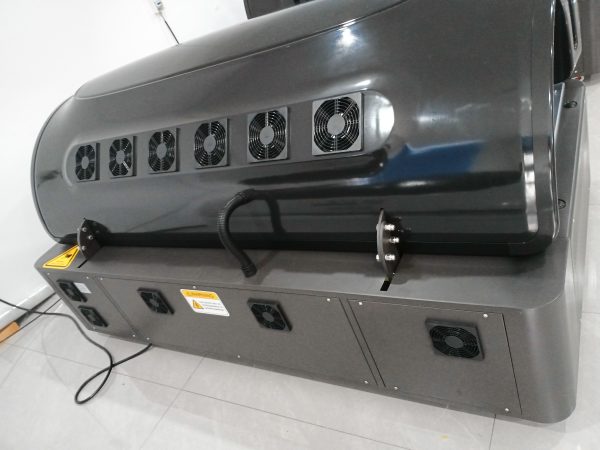
I want to start frank: much of the early hardware was designed for cost, not outcomes. The core subject here is the led light therapy bed, and I have seen models that skimp on irradiance and wavelength control. Photobiomodulation depends on precise wavelength bands and consistent irradiance across the treatment area; when manufacturers prioritize cheaper LED arrays and weak power converters, the therapy becomes inconsistent. In practice, patients report uneven results — some get benefit, others nothing. Look, it’s simpler than you think: if the beam profile is uneven, you get uneven biology.
What technical flaws are most common?
First, poor wavelength tuning. Many units mix red and near-infrared LEDs without calibrated spectral output. Second, inadequate irradiance — units advertise power but deliver low density at skin level due to bad optics. Third, thermal and power management fail under long sessions because low-quality power converters overheat. These are not minor quibbles; they change dose-response. I speak from reviewing test reports and a few lab sessions — the difference is clear when you measure photon flux. The result: users feel short-changed, and clinicians hesitate to recommend certain beds. That gap between promise and real dose is the hidden pain point patients rarely see until they use device repeatedly.
Principles Driving the Next Generation
Now let us look forward and compare what matters when a designer rethinks the led light therapy bed for real effect. Good designs start from photobiomodulation principles: targeted wavelengths, stable irradiance, and uniform beam profile. Newer units use engineered LED arrays with proper optics to maintain consistent photon delivery across the entire treatment surface. They also include smarter thermal design so session length does not degrade output. I prefer semi-formal descriptions here — keep it practical. When engineers apply these principles, outcomes improve measurably; short recovery times, clearer skin responses, and better user satisfaction follow.
What’s Next?
Looking ahead, integration of sensors and simple feedback loops will matter. Devices that measure skin irradiance in real time and adjust output will finally close the gap between advertised dose and delivered dose — funny how that works, right? Manufacturers who pair solid engineering (LED array layout, beam profiling, robust power converters) with clear dosing guidelines will win trust. Below I offer three practical metrics you can use when evaluating a unit — use them as a quick checklist before purchase:
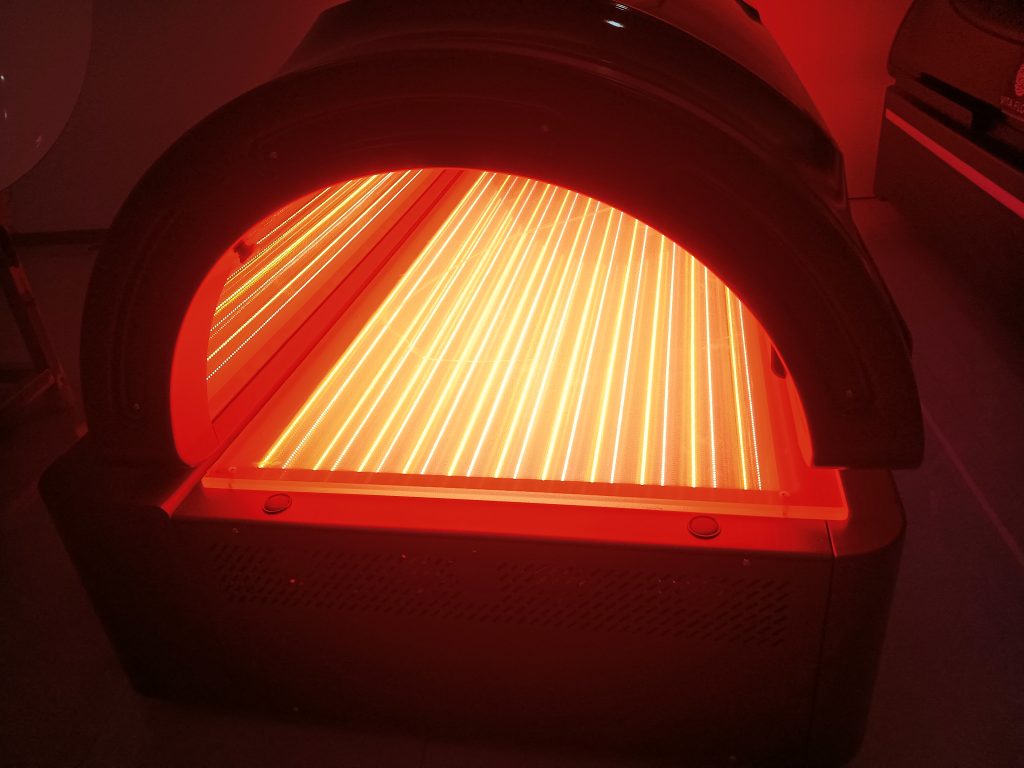
1) Measured irradiance at skin level (mW/cm²) across the entire bed surface — not just peak output. 2) Wavelength specification and spectral calibration (nm) with manufacturer test data. 3) Thermal and power stability: evidence that the unit maintains output during full recommended session time. These three metrics separate fashion from function. In closing, I recommend you compare real numbers and third-party measurements rather than rely on glossy claims — we owe users that rigor. For further reference or models that align with these principles, see Magique Power.