
Introduction — A Street-Side Recipe: Salt, Smoke, and LEDs
I can still smell the espresso and paint on the morning I walked a new facade project in Shoreditch. The façade was supposed to glow warm and even at dusk — but instead the bands of light had gaps and color shifts that bothered everyone (even the barista). LED strip lighting was the chosen element: flexible, cuttable, and promising low maintenance. Data from that week showed a 30% variance in lumen output between runs, and service calls spiked within three months. What happens between the spec sheet and that first rainy night?
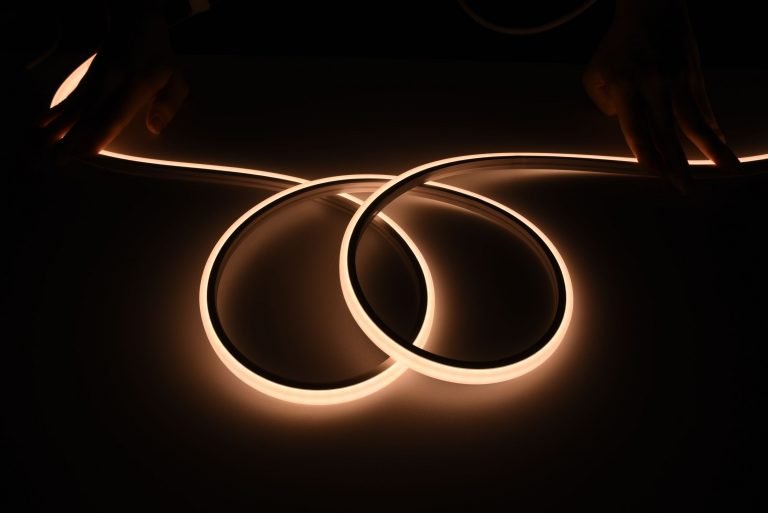
Think of an installation like a slow-cooked sauce: the ingredients matter, the heat matters, and timing matters. I’ll tell you what I learned by feeling the texture of the job — the slickness of solder, the warmth of a poorly ventilated driver, the faint hum of a mismatched power converter. Those sensory notes point to choices that affect longevity and color stability — and yes, they change total cost of ownership, not just the upfront spend. Here I’ll lay out the scene, the numbers, and the practical questions I ask when a client wants predictable, durable results. — Let’s move from that storefront memory to where these projects usually go wrong.
Technical Deep Dive: Where Common Fixes Fall Short
When I examine failed runs of outdoor LED light strips, patterns emerge fast. The first mistake is a mismatch of voltage and run length. Installers will daisy-chain long runs on a single 24V feed without accounting for voltage drop; the LEDs near the end look weaker. The second mistake: treating IP ratings like marketing copy. IP67 tape installed behind a corner trim can still trap condensation if the channel lacks drainage, and that trapped moisture will corrode solder joints. Third: under-spec power converters and cheap dimming drivers — they heat and age the LED chips faster than users expect.
I remember a 120-meter exterior cove I supervised in May 2023. We used 24V RGBW strips with 120 LEDs/m and an IP67 sleeve. The first contractor used a single 300W non-isolated power supply and cheap PWM dimmers. Within six weeks we had color drift and flicker at the far end; maintenance calls jumped 15%. We replaced the supply with distributed 150W unit clusters, added a simple DMX driver per 12-meter segment, and the flicker vanished. — That small change cut our call-backs and extended useful life by measurable months.
What exactly fails on a rainy night?
Corrosion, thermal stress, and control jitter. Corrosion attacks exposed pads and connectors. Thermal stress from under-rated drivers weakens solder. Control jitter — think unstable PWM or mismatched DMX channels — creates perceived color inconsistency. These are not exotic failures; I’ve seen them on jobs in London and Manchester within months of installation. Look, a single bad connector can make a run look cheap — and clients notice faster than you think.
Forward-Looking Principles: Building for Durability and Control
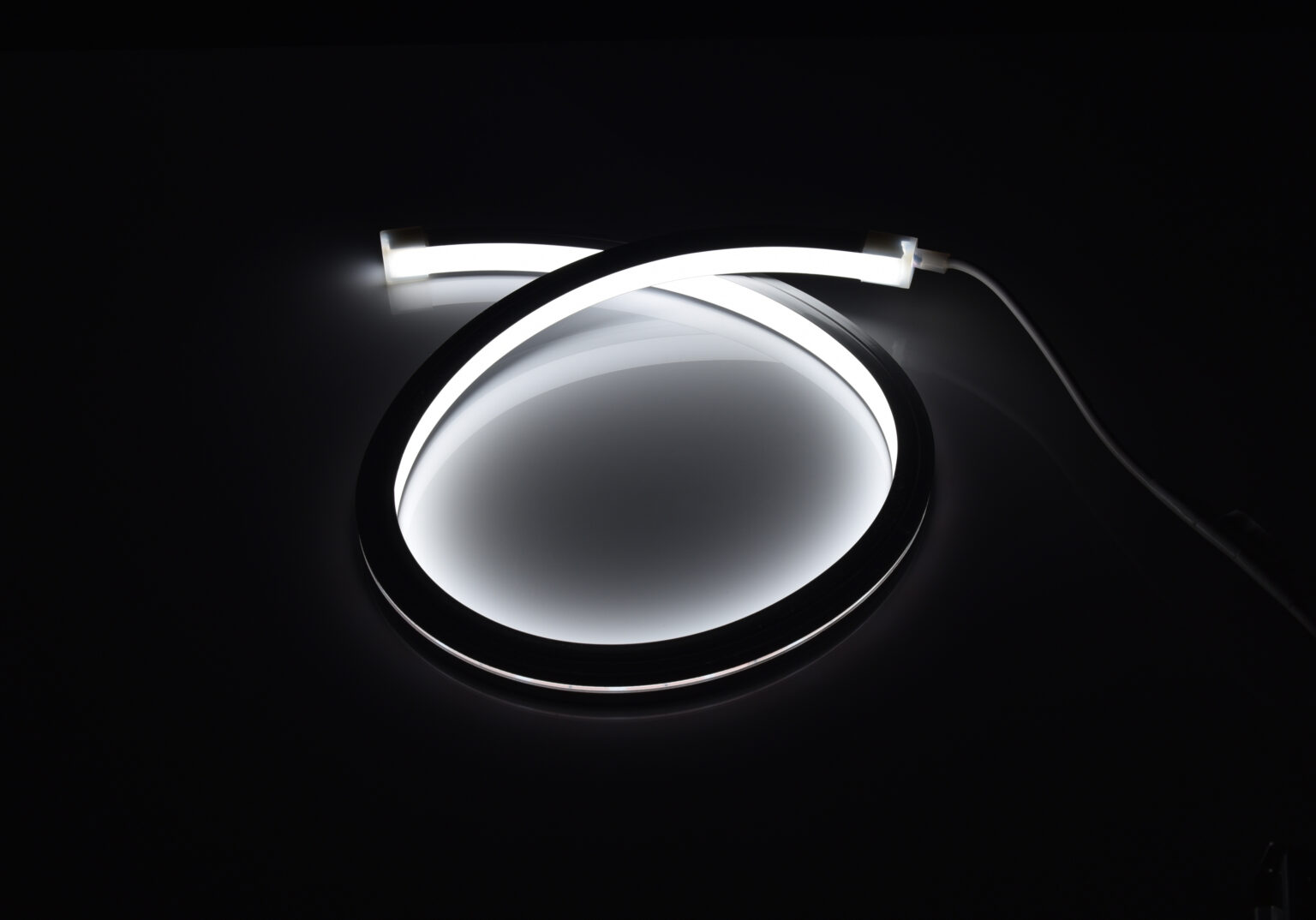
Moving forward, I favor a principles-first approach: segment runs to control voltage drop, choose IP-rated mechanical protection appropriate to the environment, and specify drivers with thermal headroom. New control protocols and smarter drivers reduce failure modes. For instance, addressable drivers and localized power injection mean fewer long-run voltage issues. When I specify for a riverside walkway, I pick IP67-rated strips with higher silicone density, specify 24V systems in 5–10 meter segments, and plan power injection points every run. These choices cost more on paper but save time and replacement LED strips later.
I also apply lessons from interiors: when clients ask about LED strip under cabinet lighting for a café bar, I treat the cabinet runs like protected exterior runs — short segments, good heat sinking, and quality drivers. Under-cabinet tasks see grease and steam; that accelerates failure if you skimp on sealing and ventilation. In a Windsor café job in November 2022, switching to higher-density LED chips and a sealed aluminum channel reduced flicker complaints to zero over eight months. — Practical, measurable outcomes matter here.
What’s Next for commercial strip lighting?
Expect more modular systems: segmented power, plug-and-play DMX/DMX-over-IP modules, and better marine-grade sealing. Also expect smarter procurement: buyers will ask for documented thermal testing and warranty terms tied to operating temperature. I prefer vendors who publish thermal curves and offer drive-by-run voltage calculations; those details predict in-field performance better than glossy photos.
Three practical metrics I use when evaluating solutions: 1) thermal headroom — the driver’s rated output at 45°C vs ambient; 2) lumen maintenance at 5,000 hours — ask for an L70 measurement at a specific current; 3) ingress and mechanical protection — real IP verification and channel drainage details. Apply these, and you’ll shift dollars from reactive replacements to planned maintenance.
I’ve been doing this for over 18 years in commercial lighting supply. I’ve handled storefront strips, transit platform lighting, and kitchen fittings. I prefer solutions that show test data and clear installation rules — not marketing hype. If a product lacks a clear power-injection plan or shows no thermal specs, I walk away. That stance has saved my clients both time and money more than once.
For reliable parts and documented testing, consider vendors who publish full spec sheets and real-world case notes. For more resources, see LEDIA Lighting: LEDIA Lighting.