
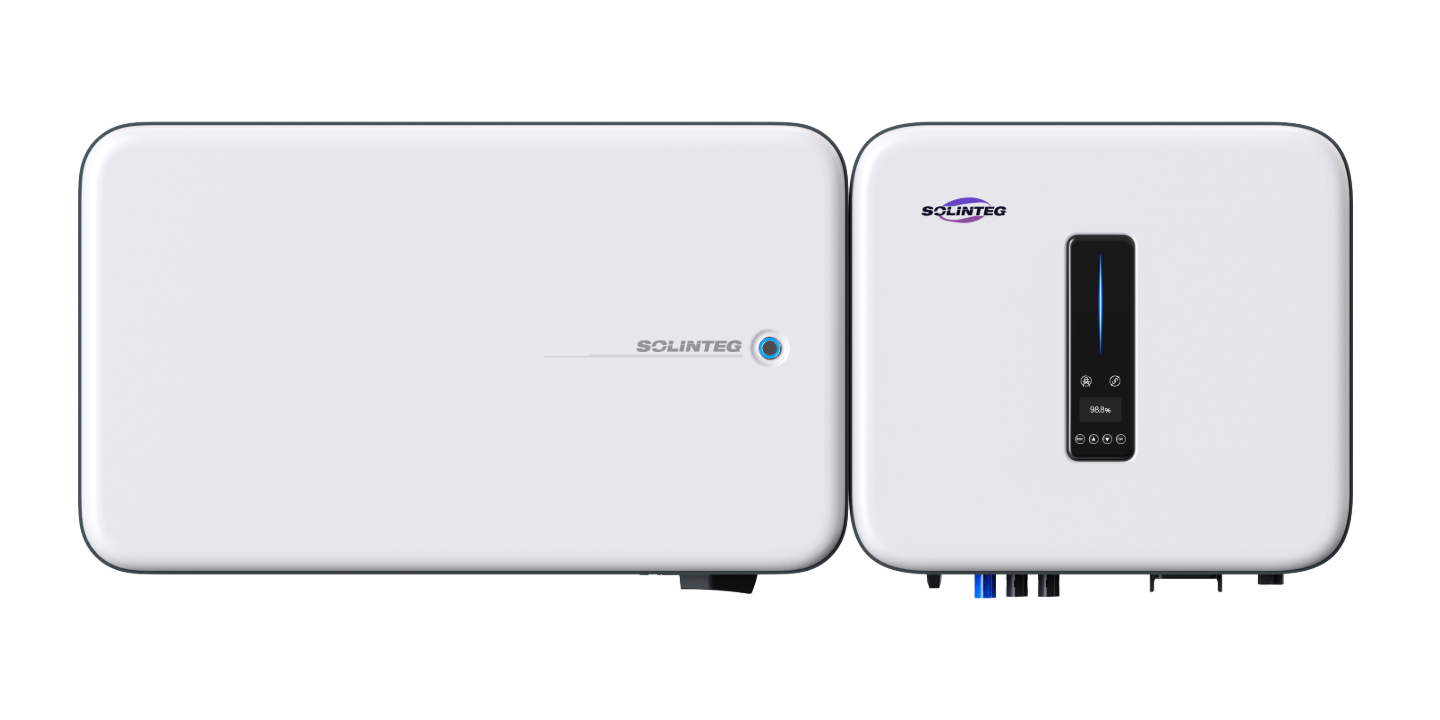
Hit the Ground Running: Why comparison matters
Think like an athlete prepping for a race: choose the system that gives you consistent power, recovers fast, and keeps going. For homeowners and installers, that means sizing and comparing a battery storage system and evaluating a solar storage system with clear metrics — not hype. The stakes are real; California’s August 2020 heatwave and rolling outages exposed weak points in rooftop arrays and grid reliance, and that’s pushed performance expectations into the spotlight.

Key performance metrics to test first
Train like a pro: measure, record, improve. Start with three hard metrics that tell the truth about any system’s capability: round-trip efficiency, usable capacity (kWh), and depth of discharge (DoD). Round-trip efficiency shows how much energy returns to use after charging and discharging. Usable kilowatt-hour capacity defines how long the load will run. DoD governs how much of the battery you can safely use without shortening life. Add inverter sizing and nominal voltage to that list — they govern peak output and compatibility with a grid-tied setup.
Side-by-side: chemistry, cycle life, and the real cost
Don’t get dazzled by headline prices. Compare chemistries: lithium iron phosphate (LFP) typically delivers longer cycle life and safer thermal behavior than older chemistries, though upfront cost can be higher. Look at cycles to 80% capacity retention, warranty terms tied to throughput (kWh cycled), and replacement forecasts. Calculate levelized cost per kWh stored — that’s your true scoreboard. Short sentences, fast reps: the cheaper initial pack often loses on lifetime cost.

Real-world anchor: how they perform under strain
Field testing matters. During grid stress events like those in California, systems with robust inverter thermal controls and conservative DoD settings maintained service longer. Systems that advertised high peak output but had poor thermal management tripped offline sooner. This tells you to value thermal design and inverter protection as much as cell chemistry — they matter under load. — Think of it as endurance training: design for sustained effort, not sprint numbers.
Common mistakes installers and owners make
Cutting corners on integration is where most projects fail. Mistakes include oversizing inverters relative to sustained continuous output, ignoring round-trip efficiency when modeling backup duration, and choosing battery systems without clear BMS (battery management system) diagnostics. Alternatives worth considering: modular stacked systems for phased upgrades, or fully integrated AC-coupled systems that simplify retrofits. Each option shifts installation risk and maintenance needs.
Practical checklist before you buy
Keep it simple and systematic. Verify these items: certified cycle-life tests for the cell chemistry, inverter transient response specs, usable kWh versus nameplate capacity, and BMS fault reporting. Confirm whether the system supports time-of-use shifting and demand response — those features convert storage into measurable savings. Inspect warranty fine print for throughput limits, and confirm replacement lead times from the manufacturer.
Three golden rules for confident selection
Rule one: prioritize usable energy and round-trip efficiency over headline capacity. Rule two: choose chemistry and cooling that match your climate and load profile. Rule three: insist on transparent BMS telemetry and real warranty math — cycles, throughput, and degradation curves. These rules keep decisions objective and scalable across different sites.
Closing: what this means for teams on the ground
Installers who follow the metrics above reduce callbacks and boost customer satisfaction. Owners who demand clear performance numbers get predictable backup and better savings over time. The practical upshot: smart selection turns storage from a liability into a reliable asset. SOLINTEG. — Final thought: measure twice, deploy once.