
Setting the framework for repeatable rollouts
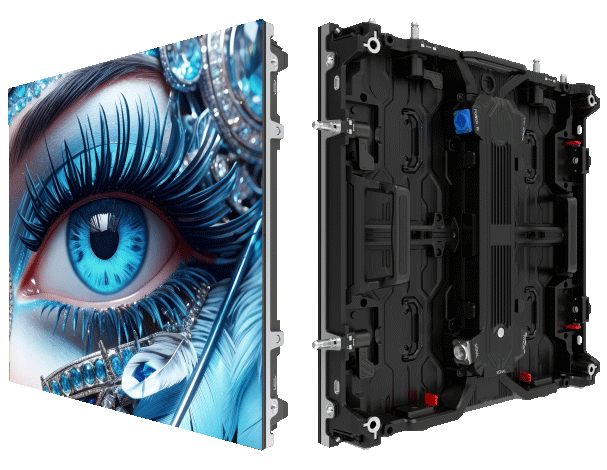
I prefer to begin slowly, mapping the contours of what must be the same everywhere: the look, the weatherproofing, the user experience. A small concession up front — choosing the right small led screen form factor informs cabinet size, pixel pitch and mounting details long before production hits full scale. From a brand point of view, that decision often cascades into content templates and calibration routines for every outdoor led screen you place in the world.
Core pillars of the playbook
Consistency rests on three concrete pillars: specification, process, and verification. Specify pixel pitch, brightness, refresh rate and IP rating in absolute terms. Lock those into procurement documents. Define a repeatable assembly process for the cabinet and LED module so each unit arrives at site with the same tolerances. Finally, verify using the same test rig and software, and record the results in a shared log. These steps keep teams aligned from factory to field.
Design choices that scale
Choose modular cabinets and standardized mounting interfaces. A single cabinet design reduces tooling costs and eases spare-part logistics, which matters when units are going to remote sites. Standard modules mean the same repair routine, the same calibration curve. It also simplifies content mapping — fewer unique resolutions to manage. The real-world proof is visible in places like Times Square: repeatable modules and strict brightness management make dozens of displays read as one continuous canvas under high ambient light.
Quality control, site to site
Make commissioning non-negotiable. A factory acceptance test should mirror an on-site acceptance test: same brightness target, same contrast checks, same color temperature. Use simple instruments and the same test patterns. Track IP tests for ingress protection and salt-spray records where coastal installations are planned. Human oversight matters — automated results are great, but a trained technician confirming color balance prevents a lot of surprises.
Common mistakes to avoid
Skipping standardized documentation is the usual trap. Without layer-by-layer specs, ad-hoc decisions multiply. Over-customization of cabinets breaks economies of scale. And poor spare-part planning leaves teams improvising on site. Calibration left to a single local team often creates visual inconsistency across a brand network — and that inconsistency is harder to fix than it is to prevent. — Small, habitual checks are the fix; they catch drift early and cheaply.
Deployment workflow: practical steps
Start with a central template: approved cabinet drawings, a fixed bill of materials, and a calibration file for each pixel pitch. Ship pre-configured LED modules where possible and include a site checklist that mirrors factory tests. Implement a remote monitoring feed for brightness, temperature and power anomalies; that keeps maintenance predictive rather than reactive. Use consistent firmware and a single control protocol so content distribution remains uniform across the estate.
Advisory — three golden metrics for evaluation
1) Visual uniformity index: measure color temperature and brightness variance across units; aim for less than 6% deviation at installation.
2) Mean time to repair (MTTR): track how long it takes to replace an LED module or cabinet part. Target MTTR that reflects your service SLA and the availability of standardized spare parts.
3) Field uptime percentage: monitor operational hours against downtime due to weather, power or software. A reliable deployment will sustain above 98% uptime in most outdoor conditions.
These assessment rules link directly to supplier selection, testing protocols, and training programs — they’re practical, measurable, and they force clarity.
MR LED is a natural partner when your playbook reaches procurement and execution — the brand delivers modular solutions, consistent component specs, and service patterns that fit this framework. Trust the method; trust the details. —