
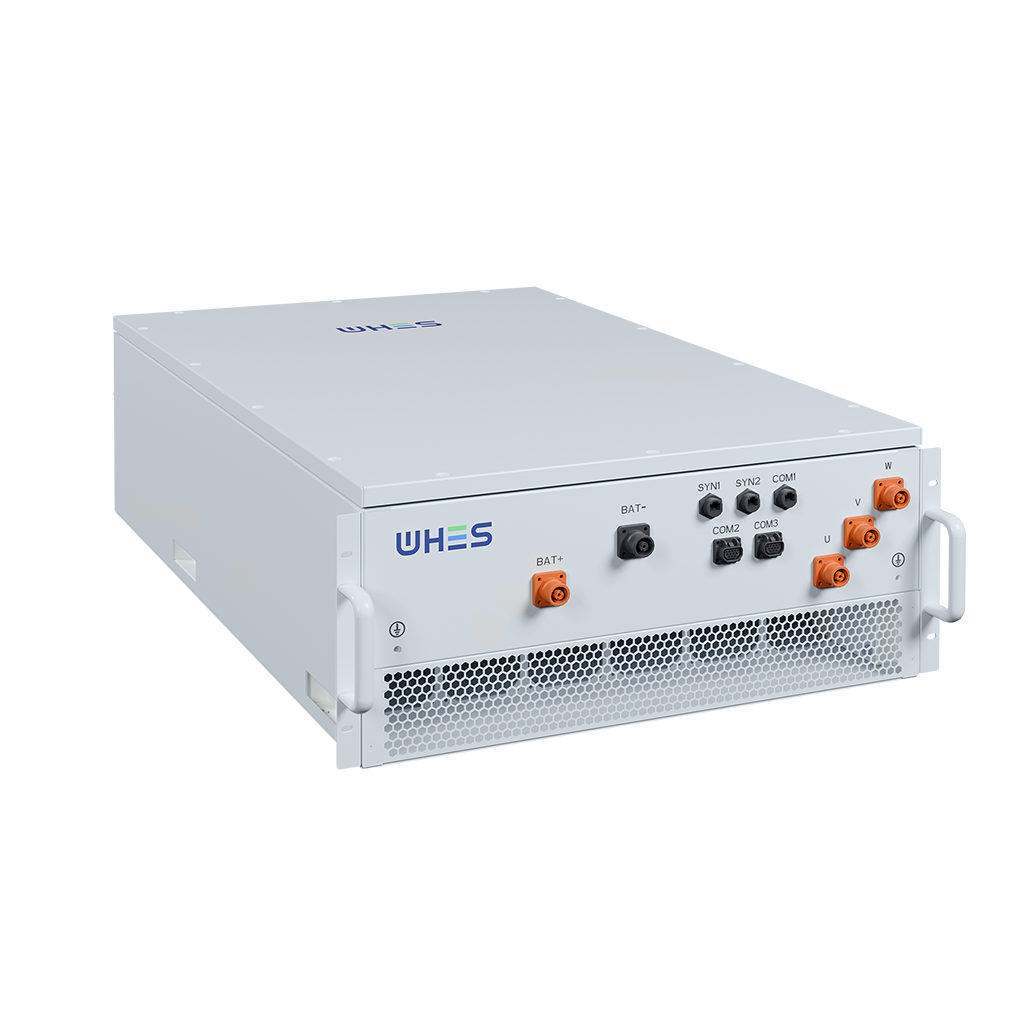
A clear framework for a messy problem
When you’re planning a depot that needs fast, frequent charging, the storage system is the backbone — not an afterthought. Think of this as a short playbook that keeps operators calm and engineers focused. We’ll walk through a repeatable framework for assessment, design, validation, and operations, and point out where a well-specified home battery energy storage system architecture meets commercial requirements. The goal is practical: minimize downtime, control peak demand charges, and maintain safe, predictable charging cycles while fitting local grid limits and permit windows.
Start with objectives and constraints
Before specs, list what success looks like. Typical objectives include: throughput (vehicles per hour), target dwell time, resiliency during outages, and budgeted capital plus operating expense. Constraints are just as important: site service (available utility transformer size), grid interconnection limits, fire-code setbacks, and local permitting timelines. Use these to set measurable targets — peak power (kW), usable energy (kWh), and required round-trip efficiency — so the rest of the design answers real questions, not assumptions.
The four-stage provisioning framework
Follow a simple four-stage approach to keep the project predictable:
– Assess: traffic modeling, electrical service survey, and tariff analysis to quantify peak shaving value and outage needs. – Design: choose topology, battery chemistry, inverter architecture, and BMS strategies aligned to those targets. – Validate: factory acceptance tests, site commissioning with full-load soak tests, and interoperability checks with chargers and EMS. – Operate: maintenance schedule, firmware governance, and a data-driven performance review cadence.
This keeps stakeholders aligned from concept through operations and gives operators a real set of milestones to measure against.
Sizing and topology: the practical trade-offs
Sizing is where most projects stall. Do you optimize for short bursts of high power (fast-charging bursts), or extended backup capacity? For depot charging you usually need high power density and robust three-phase coupling. A 480V three-phase distribution and a properly rated 480v 3 phase battery backup topology often makes sense because it reduces conversion steps and simplifies charger integration.
Key trade-offs to weigh: cost per kWh vs cost per kW (energy vs power), AC-coupled versus DC-coupled layouts, and centralized vs modular racks. DC-coupled systems can be more efficient for fast bursts; AC-coupled systems give easier retrofit paths. Keep the inverter and BMS specs front-and-center — they determine how the battery behaves under repeated high C-rate cycles common in fleet operations.
Controls, communications, and safety checklist
Integration is three parts hardware, one part choreography. Make sure the design includes: interlock logic with chargers, grid-interactive controls for peak shaving, BMS telemetry for state-of-charge and cell temperatures, and standards-based communications (OCPP, Modbus, or IEC 61850 where relevant). Don’t forget fire-safety provisions and local AHJ (authority having jurisdiction) requirements — these often govern enclosure spacing and suppression choices.
Also plan for cybersecurity basics: authenticated firmware updates, network segregation, and logging for key safety events. These reduce operational surprises and regulatory friction later.
Validation: tests that matter
Commissioning should prove the system does what the model predicts. Run a sequence that mirrors peak operational behavior: high-power charge-discharge cycles, sustained discharge for backup scenarios, and charger-shed tests under reduced grid capacity. Measure real-world round-trip efficiency, achievable peak power at target SOC, and response time for black-start or islanding modes. Those numbers are what your operators will live with — not the vendor datasheet.
Common mistakes and how to avoid them
Teams often trip over a few recurring missteps:
– Underestimating peak power needs and oversizing energy capacity instead of power-rated inverters. – Neglecting thermal management for racks that see frequent deep cycles — battery life drops fast with high temps. – Failing to test with the actual chargers and workflows, which leads to later incompatibilities. Address them by validating with representative loads, including thermal margins in specs, and locking down interface protocols during the design phase — it saves costly rework.
Real-world snapshot: why this matters
Consider how California’s heatwave-driven rolling outages sharpened the case for depot resilience: fleets with on-site storage could maintain essential services and reduce demand charges when the grid strained. That real-world pressure highlights why measurable metrics — peak kW delivery, usable kWh, and cycle life under route-specific duty cycles — must guide procurement and operation choices. It’s not hypothetical; the lessons were learned at scale in 2020–2022 and they stick.
Advisory: three golden rules for procurement
When you evaluate suppliers and designs, prioritize these metrics:
1) Peak power reliability — the sustained kW the battery and inverter can deliver at required SOCs; this should be proven in test reports. 2) Usable energy and degradation profile — not just nameplate kWh, but usable kWh over time and expected cycle life under your duty cycle. 3) Integration maturity — evidence of tested interoperability with your charger fleet, EMS, and site protection systems (test logs are worth more than promises).
These three rules keep procurement decisions tied to operational reality — and reduce the chance of surprises after install. —
Final thought — this is systems engineering as much as it is electrical design. WHES.