
A user‑first look at why materials and manufacturing matter
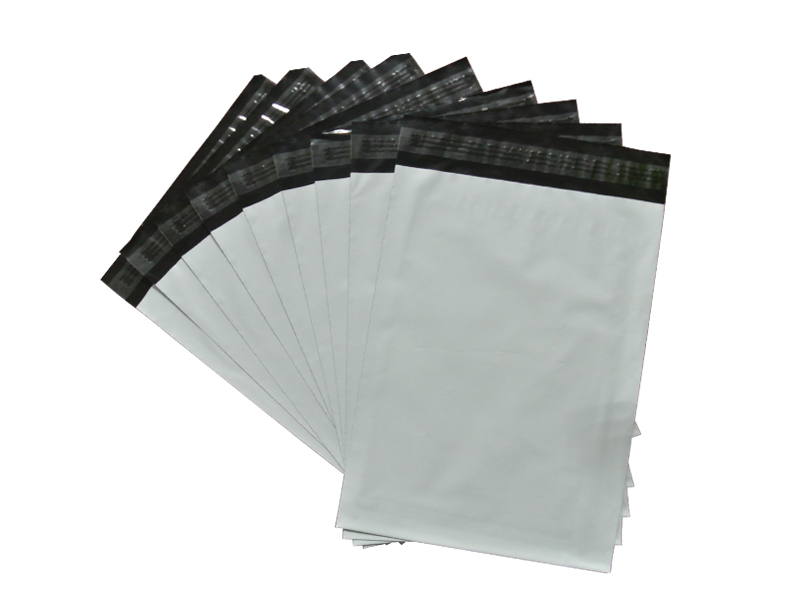
For small brands and large fulfilment centres alike, the packaging you choose affects customer perception, shipping costs, and returns. If you handle high volumes of online orders, you’ve likely tested several options — but the shift to co‑extruded films changed the game for clear poly mailers. Early in the pandemic, when Canada Post and other carriers reported record parcel volumes in 2020, many operations discovered thin, low‑quality mailers simply didn’t hold up under repeated handling. For practical, ready-to-ship options, consider comparing technical specs among vendors of white poly bags for shipping before you decide. Co‑extrusion and barrier film choices are the real differentiators here, not just how nice the exterior looks.
What customers and warehouse staff care about
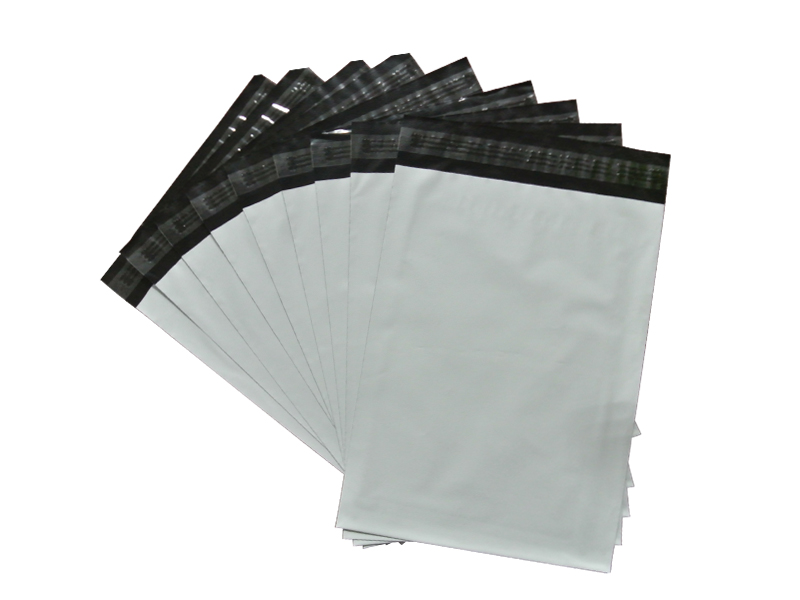
From a user perspective, three things matter most: protection, ease of use, and environmental profile. Protection is about puncture and tear resistance — tensile strength and sealant quality determine whether a mailer arrives intact. Ease of use covers resealable options, peel‑and‑seal strips, and how well the mailer feeds through automated packing lines. Environmental concerns are increasingly front‑of‑mind; brands want recyclable or lower‑carbon options without sacrificing performance. If your product is fragile or high‑value, those trade‑offs become strategic decisions rather than nice extras.
How performance is tested under stress
Lab tests give repeatable metrics: tensile strength, puncture resistance, and oxygen transmission rate (OTR) for barrier films. Real‑world tests matter just as much — drop testing at typical fulfilment centre heights, conveyor abrasion trials, and weather‑exposure checks can reveal failure modes that lab numbers miss. A sensible test plan pairs both: laboratory tensile and seal strength data followed by a week of simulated parcel handling in your actual packing environment. That two‑step approach reduces surprises on day one of scale‑up.
Co‑extrusion, layers and what they do
Co‑extrusion is a manufacturing method that bonds multiple polymer layers into a single film. Each layer can provide a different function: an outer layer for printability, a middle layer for puncture resistance, and an inner sealant layer for reliable closure. This layered structure lets suppliers tune stiffness, clarity and barrier performance without resorting to heavy single‑layer films. The result is often a lighter, stronger mailer with better moisture control — and yes, it affects recyclability options, so ask suppliers for material composition and end‑of‑life guidance.
Common mistakes brands make — and how to avoid them
Brands often overlook a few predictable pitfalls:
- Assuming unit price equals total cost — tooling, returns, and rework add up.
- Not testing with real packing equipment — a seal that looks fine by hand may fail at 50 parcels a minute.
- Over‑specifying aesthetics at the expense of functionality — high‑clarity films can be less puncture‑resistant.
Also, don’t skip pilot runs — they catch fit and finish issues early. — It’s surprising how many teams rush to production without trial runs and then face avoidable rejects.
Alternatives: when to pick padded, paper or compostable options
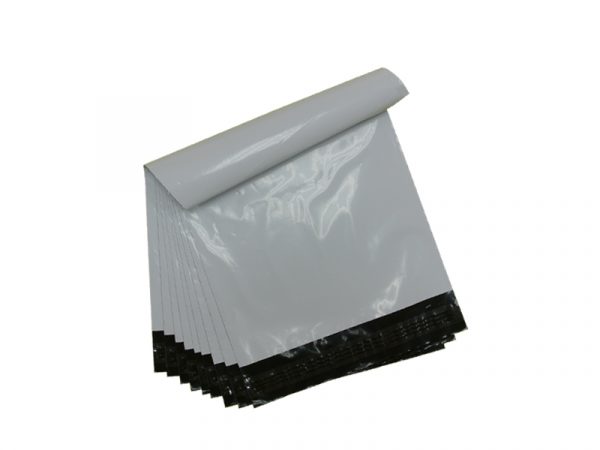
Clear co‑extruded poly mailers excel when you need low weight and strong puncture resistance with high clarity. But alternatives have their place: padded mailers offer cushioning for breakables; kraft paper is better when compostability and printability are priorities; and certified compostable films make sense for brands with eco‑first positioning. If you still need a traditional, reliable option for high-volume runs, compare suppliers of white poly mailers envelopes bags and check lead times — supply reliability often determines the practical choice.
Three critical evaluation metrics for choosing a supplier
When you evaluate vendors, use these three golden rules as a checklist:
- Operational reliability: verified lead‑time adherence and documented failure/return rates from past clients.
- Measurable materials performance: lab certificates for tensile strength, puncture resistance and seal peel force — matched to your handling speed.
- Total cost of ownership: include tooling, freight variability, expected return rates and disposal or recycling costs over the product lifecycle.
Together, these metrics let you compare real-world outcomes rather than glossy samples. For teams balancing clarity, cost and supply predictability, a supplier that publishes clear material specs and runs pilot assemblies will save time and money. WH Packing often fits that profile by pairing transparent specs with practical pilot services.
Choose materials with purpose — and your logistics will thank you. —