• Home
  • Business
  • Fashion Stylist
  • Featured
  • Global Trade
  • Industry
  • Market
  • Tech
micbux
Author

Christine

Christine

Market

Standards Whisper: Safety, Documentation, and the Quiet Failures of Microgrids

by Christine September 15, 2026
written by Christine

The problem that hides in plain sight

There’s a thin thread between a stable microgrid and a midnight blackout. Documents pile up. Specs slightly differ. Someone installs a diesel battery (hybrid power system) because it seemed compatible on paper. The mismatch lives in seams: drawing protection curves that don’t match inverters, ambiguous commissioning checklists, handover reports with missing signatures. Problem-driven: identify the fault before it escalates. Small gaps become single points of failure.

Where things typically break

Look for these predictable fractures. They repeat across sites, quietly.- Control logic left undefined between genset and inverter; automatic transfer behaves oddly.- Safety interlocks documented in one file but wired differently in the field.- Test records stamped “done” without witnessed load runs.These aren’t abstract. They’re human errors combined with incomplete standards adherence. When a system tries to reconcile conflicting documents, it chooses the wrong behavior.

A real-world echo

After Hurricane Maria in Puerto Rico (2017), many island microgrids showed how documentation lapses amplify failures: backup generators without validated transfer sequences, batteries added without updated protection settings. That episode exposed a pattern — hardware can be rugged, but procedures and records steer outcomes. Field reports from that period still guide risk assessments today.

Alternatives and the trade-offs that matter

Choosing solutions demands clarity, not hype. Consider options honestly.- Pure diesel genset: simple, high fuel dependency, fewer control layers.- Battery-coupled inverter systems: fast response, requires strict BMS and clear archives.- Hybrid paths: combine both, but only if control handshakes are fully specified.When hybridization enters the design, state the interfaces. A reliable diesel generator hybrid inverter system only works when roles are explicit: who starts, who takes load, who manages charging limits. Otherwise, the hybrid becomes a confused actor on stage.

Common pitfalls teams keep repeating

Teams drift into these errors.- Leaving commissioning test scripts incomplete.- Treating manuals as suggestions.- Trusting vendor defaults without cross-checking system-level protection.Each pitfall is avoidable. Auditable checklists, discipline during handover, and hard validation of control sequences stop the repeat performance.

Actionable fixes that actually hold

Do these things and the risk recedes.- Lock a single truth document: schematic, sequence of operations, and test log that are version-controlled.- Run witnessed load-transfer tests under realistic conditions and record them.- Align protection settings across diesel, inverter, and battery systems; don’t rely on defaults.- Train two crews: one for routine ops, one for worst-case restoration, with shared access to the same verified documents.These steps are concrete. They’re not costly paperwork — they’re targeted mitigations that reduce surprise failures.

The quiet endgame

The problem-driven path leads here: reduce ambiguity, force clear decisions, and document every handshake between components. When decisions are recorded and tested, microgrids stay predictable. Those practices make design and repair less mysterious; they give engineers fewer guesses and more facts. That clarity is the value engineering teams find in disciplined standards and documentation, the kind of clarity that brings projects back from the brink and into long-term reliability with WidenEdge.


September 15, 2026 0 comments
0 FacebookTwitterPinterestEmail
Business

Material Design Meets Co‑Extrusion: A User‑Centred Guide to High‑Performance Custom Clear Poly Mailers

by Christine May 26, 2026
written by Christine

A user‑first look at why materials and manufacturing matter

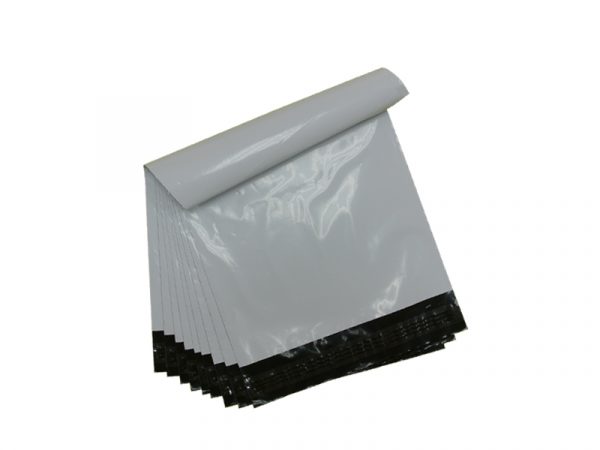
For small brands and large fulfilment centres alike, the packaging you choose affects customer perception, shipping costs, and returns. If you handle high volumes of online orders, you’ve likely tested several options — but the shift to co‑extruded films changed the game for clear poly mailers. Early in the pandemic, when Canada Post and other carriers reported record parcel volumes in 2020, many operations discovered thin, low‑quality mailers simply didn’t hold up under repeated handling. For practical, ready-to-ship options, consider comparing technical specs among vendors of white poly bags for shipping before you decide. Co‑extrusion and barrier film choices are the real differentiators here, not just how nice the exterior looks.

white poly bags for shipping

What customers and warehouse staff care about

From a user perspective, three things matter most: protection, ease of use, and environmental profile. Protection is about puncture and tear resistance — tensile strength and sealant quality determine whether a mailer arrives intact. Ease of use covers resealable options, peel‑and‑seal strips, and how well the mailer feeds through automated packing lines. Environmental concerns are increasingly front‑of‑mind; brands want recyclable or lower‑carbon options without sacrificing performance. If your product is fragile or high‑value, those trade‑offs become strategic decisions rather than nice extras.

How performance is tested under stress

Lab tests give repeatable metrics: tensile strength, puncture resistance, and oxygen transmission rate (OTR) for barrier films. Real‑world tests matter just as much — drop testing at typical fulfilment centre heights, conveyor abrasion trials, and weather‑exposure checks can reveal failure modes that lab numbers miss. A sensible test plan pairs both: laboratory tensile and seal strength data followed by a week of simulated parcel handling in your actual packing environment. That two‑step approach reduces surprises on day one of scale‑up.

Co‑extrusion, layers and what they do

Co‑extrusion is a manufacturing method that bonds multiple polymer layers into a single film. Each layer can provide a different function: an outer layer for printability, a middle layer for puncture resistance, and an inner sealant layer for reliable closure. This layered structure lets suppliers tune stiffness, clarity and barrier performance without resorting to heavy single‑layer films. The result is often a lighter, stronger mailer with better moisture control — and yes, it affects recyclability options, so ask suppliers for material composition and end‑of‑life guidance.

Common mistakes brands make — and how to avoid them

Brands often overlook a few predictable pitfalls:

  • Assuming unit price equals total cost — tooling, returns, and rework add up.
  • Not testing with real packing equipment — a seal that looks fine by hand may fail at 50 parcels a minute.
  • Over‑specifying aesthetics at the expense of functionality — high‑clarity films can be less puncture‑resistant.

Also, don’t skip pilot runs — they catch fit and finish issues early. — It’s surprising how many teams rush to production without trial runs and then face avoidable rejects.

Alternatives: when to pick padded, paper or compostable options

Clear co‑extruded poly mailers excel when you need low weight and strong puncture resistance with high clarity. But alternatives have their place: padded mailers offer cushioning for breakables; kraft paper is better when compostability and printability are priorities; and certified compostable films make sense for brands with eco‑first positioning. If you still need a traditional, reliable option for high-volume runs, compare suppliers of white poly mailers envelopes bags and check lead times — supply reliability often determines the practical choice.

Three critical evaluation metrics for choosing a supplier

When you evaluate vendors, use these three golden rules as a checklist:

  1. Operational reliability: verified lead‑time adherence and documented failure/return rates from past clients.
  2. Measurable materials performance: lab certificates for tensile strength, puncture resistance and seal peel force — matched to your handling speed.
  3. Total cost of ownership: include tooling, freight variability, expected return rates and disposal or recycling costs over the product lifecycle.

Together, these metrics let you compare real-world outcomes rather than glossy samples. For teams balancing clarity, cost and supply predictability, a supplier that publishes clear material specs and runs pilot assemblies will save time and money. WH Packing often fits that profile by pairing transparent specs with practical pilot services.

white poly bags for shipping

Choose materials with purpose — and your logistics will thank you. —

May 26, 2026 0 comments
0 FacebookTwitterPinterestEmail
Market

Maximizing Efficiency with Vacuum Casting Services: A Clear Path Forward

by Christine April 5, 2026
written by Christine

Understanding the Challenges in Vacuum Casting

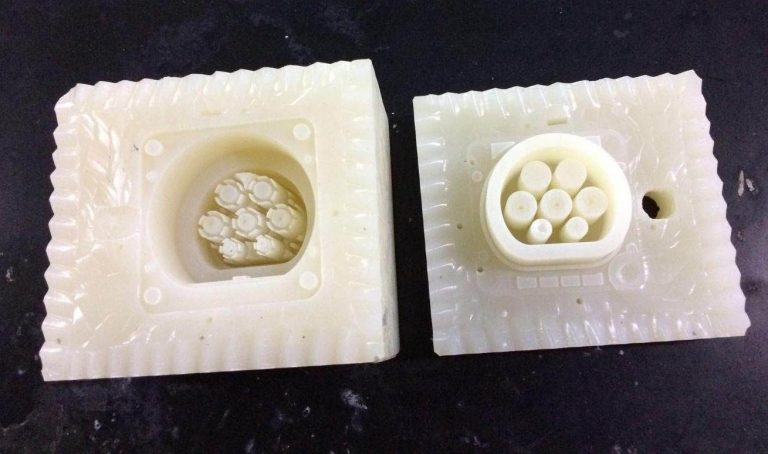
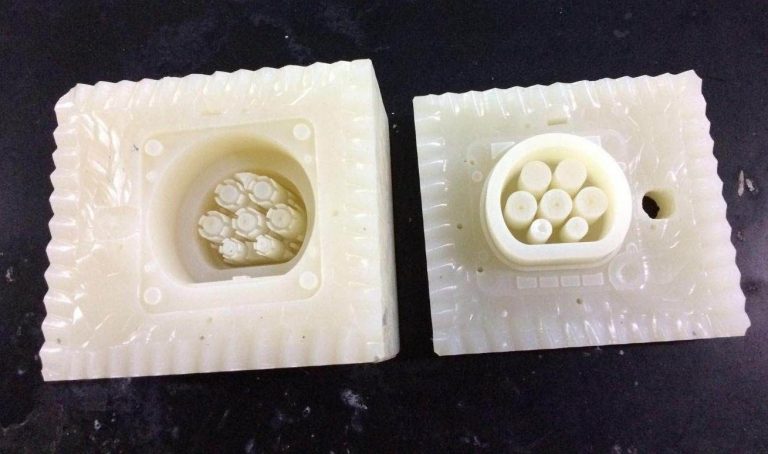
Imagine a bustling workshop filled with eager technicians, each one focused on producing quality prototypes as quickly as possible. Despite the enthusiasm, production often lags—what is the bottleneck? Recent studies indicate that inefficient processes can slow down output by as much as 30%. This is where vacuum casting services come into play. By partnering with a reliable vacuum casting manufacturer, stakeholders can drastically reduce turnaround times while ensuring top-notch quality.

vacuum casting services

What Makes Vacuum Casting Stand Out?

When I first encountered the world of vacuum casting, it was eye-opening. Many manufacturers still rely on traditional methods that often prove inefficient, leading to defects and wasted materials. One memorable project involved a client who insisted on using outdated techniques, resulting in an entire batch of products that failed quality checks. The frustration was palpable, and it underscored the limitations of sticking with old habits. With vacuum casting, however, high fidelity and rapid prototyping are achievable, all without the excessive lead times and errors that plague many industries.

vacuum casting services

The Future of Prototyping with Vacuum Casting

As we look ahead, the landscape of vacuum casting services continues to evolve, offering even more streamlined processes and innovative designs. A significant factor driving this change is evolving technology. New advancements in materials allow for increased durability and flexibility—it’s exciting! Furthermore, working with an expert vacuum casting manufacturer ensures manufacturers keep pace with industry demands, leading to faster time-to-market for products. This adaptation will undoubtedly yield substantial benefits.

Real-world Impact of Innovations

Let’s consider a practical example: in early 2023, I collaborated with a tech startup that needed prototypes for a new device quickly. Thanks to modern vacuum casting techniques, we produced high-fidelity prototypes in less than two weeks, compared to the typical month it would take using older methods. Tailoring designs to meet client specifications was seamless, allowing for quick iterations and refinements.

The benefits here are cumulative. Each improvement in the prototyping phase leads to better products, reduced costs, and happier clients. The advantage becomes clear; leveraging vacuum casting is no longer just an option—it’s a necessity.

Key Takeaways for Maximizing Efficiency

From my experiences, I’ve learned that the key to improving production lies in three main considerations: the chosen materials, the technology used in manufacturing, and the communication channels with your production partners. By focusing on these areas, you can not only streamline your processes but also enhance the quality of your outcomes. Forget the old days of guesswork; precision is where it’s at!

So, as you evaluate your choices, remember the transformative power of vacuum casting services. If you select the right partner, like APT-Mold, you will find yourself doing more than just keeping up with demand—you’ll be setting the pace. Let’s make quality the standard, not the exception!

April 5, 2026 0 comments
0 FacebookTwitterPinterestEmail

Recent Posts

  • Industrial Automation Architecture for Smart Manufacturing: Practical Solutions to Integration Failures
  • Choosing Resistance Welding Equipment: Critical Selection Mistakes and Clear Fixes
  • Which LED Wash Will Reveal Your Stage?
  • Guide Extension Catheter Cost, Compliance, and Service Factors
  • Key Considerations When Sourcing Casement Hardware and Window Handle Levers: A Comparative Guide

Recent Comments

No comments to show.

Keep in touch

Facebook Twitter Instagram Pinterest Youtube Bloglovin

Recent Posts

  • Industrial Automation Architecture for Smart Manufacturing: Practical Solutions to Integration Failures

    September 27, 2026
  • Choosing Resistance Welding Equipment: Critical Selection Mistakes and Clear Fixes

    September 26, 2026
  • Which LED Wash Will Reveal Your Stage?

    September 25, 2026
  • Guide Extension Catheter Cost, Compliance, and Service Factors

    September 24, 2026
  • Key Considerations When Sourcing Casement Hardware and Window Handle Levers: A Comparative Guide

    September 24, 2026
  • Taming Fragmentation: A Practical Path from Handheld Android POS Chaos to Reliable Device Lifecycles

    September 24, 2026

Categories

  • Business (134)
  • Fashion Stylist (20)
    • Clients (6)
    • Inspirations (7)
    • Magazines (7)
  • Featured (6)
  • Global Trade (143)
  • Industry (116)
  • Market (134)
  • Tech (148)
  • Facebook
  • Twitter
  • Instagram
  • Pinterest
  • Youtube
  • Bloglovin
  • Snapchat

@2021 - All Right Reserved. Designed and Developed by PenciDesign


Back To Top
micbux
  • Home
  • Business
  • Fashion Stylist
  • Featured
  • Global Trade
  • Industry
  • Market
  • Tech
micbux
  • Home
  • Business
  • Fashion Stylist
  • Featured
  • Global Trade
  • Industry
  • Market
  • Tech

Recent Posts

  • Industrial Automation Architecture for Smart Manufacturing: Practical Solutions to Integration Failures

    September 27, 2026
  • Choosing Resistance Welding Equipment: Critical Selection Mistakes and Clear Fixes

    September 26, 2026
  • Which LED Wash Will Reveal Your Stage?

    September 25, 2026
  • Guide Extension Catheter Cost, Compliance, and Service Factors

    September 24, 2026
  • Key Considerations When Sourcing Casement Hardware and Window Handle Levers: A Comparative Guide

    September 24, 2026
@2021 - All Right Reserved. Designed and Developed by PenciDesign