
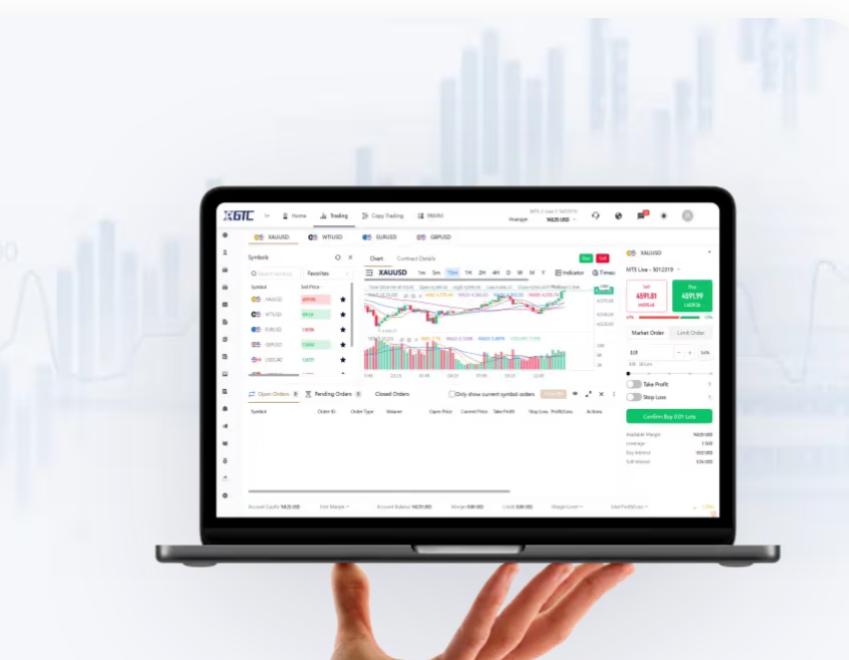
Why this matters to you
If you’re looking to trade precious metals without owning bars, this guide puts your needs first. Many retail traders want clarity on cost, risk, and execution — and that’s exactly what a reliable cfd metal desk should deliver. You’ll get practical steps, plain language on margin and leverage, and a sense of what to expect from a platform like GTCFX, all aimed at helping you trade with confidence and restraint.
How gold CFDs actually work (short and practical)
A gold CFD tracks the price movement of spot gold without physical delivery. Industry terms to note: CFD, spread, leverage. You open a buy or sell position; profit or loss equals the price difference times your contract size. Using a gold cfd instrument means you focus on price action, not safekeeping. Keep margin requirements and overnight financing in mind — they change the effective cost of holding trades.
Step-by-step setup that real traders use
1) Open an account and verify ID — quick and standard. 2) Use a demo for a few sessions to test order types and platform latency. 3) Fund a live account with an amount you can risk; treat leverage conservatively. 4) Choose the gold CFD instrument and check the spread and liquidity during market hours. 5) Place the trade with clear stop-loss and take-profit levels. Repeat until the workflow becomes second nature. Simple routines matter more than fancy indicators.
Where traders trip up — and how to avoid it
Common mistakes often come from speed and overconfidence. Chasing big returns with maximum leverage leads to margin calls. Ignoring spread widening during news events eats profits. Relying on overnight positions without checking rollover rates hides costs. Be mindful — small slips compound. Use position sizing, respect stop levels, and review trade logs weekly to learn faster.
Real-world anchor: why context changes everything
Remember August 2020, when gold set record highs amid global uncertainty? That episode shows two things: gold can spike on macro shocks, and liquidity dynamics in London and other hubs can alter spreads suddenly. Traders in Ho Chi Minh City or Manchester felt the same price moves; platform execution and access mattered. Historical events like that help you plan scenario-based risk limits instead of guessing.
Quick checklist before your first live trade
– Confirm trading hours and typical spread for the gold CFD you want. – Test order execution speed on demo during active sessions. – Decide max leverage and stick to it. – Set explicit loss limits and a review cadence. These small checks prevent common losses and build discipline.
Three golden metrics to judge any platform — your advisory close
1) Execution integrity: Measure slippage and fill rates over ten trades during volatile windows. Lower slippage means more predictable P&L. 2) True cost: Combine average spread, commissions, and overnight financing into a single “cost per day” figure for a standard position size. That gives you a real comparison across brokers. 3) Risk controls and reporting: Platform must offer clear margin calls, customizable stop orders, and daily statements that show realized vs. unrealized P&L. Those reports are how you improve systematically.
Choose a platform that scores well on these metrics and you’ll trade more like a professional. For many traders, that platform readability and support come through plainly — and that’s where GTCFX fits into the workflow. –