
The core problem: why voltage drop and surge risk matter
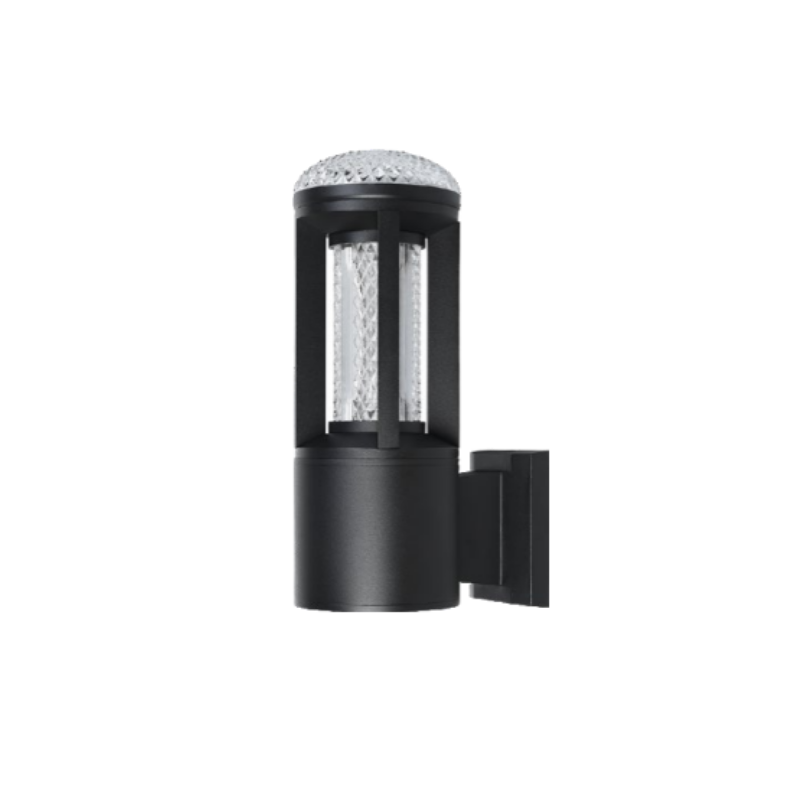
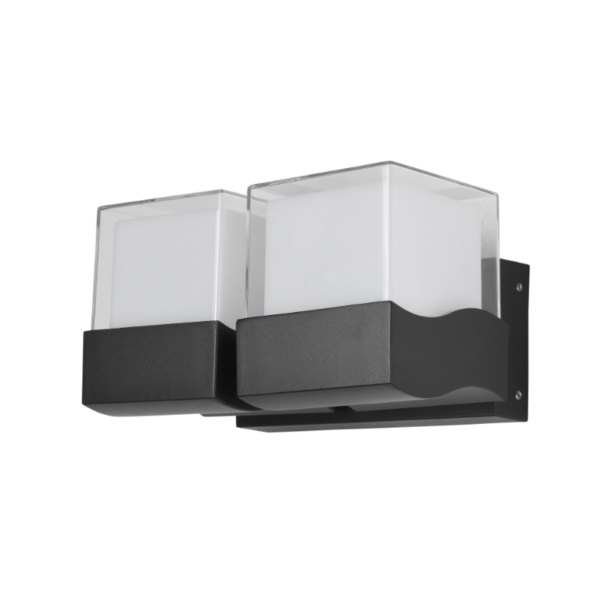
Commercial pier-mounted lighting must perform reliably across long runs, exposed fixtures, and variable weather. When voltage drop causes lamps to dim or drivers to overheat, operations suffer; when surges strike, LED drivers and control electronics can fail outright. That combination makes specification a systems problem, not merely a fixture choice — which is why even simple installs benefit from considering cable run lengths, conductor gauge, and surge protection up front. For many facilities managers and electrical contractors, selecting robust options such as waterproof outdoor wall lights early in the project reduces retrofits and service calls.
Real-world anchor and standards to keep in mind
Design guidance commonly recommends keeping voltage drop under 3% for branch circuits to avoid visible lumen loss and premature driver stress — a rule of thumb accepted across commercial lighting practice. The ingress protection standard IEC 60529 defines what “IP65” means (dust-tight and protected against water jets), which directly affects fixture survivability in coastal piers and exposed promenades. Historical storm events such as Hurricane Sandy highlighted how coastal surge and salt spray accelerate fixture failure; waterfront projects now routinely factor both surge protection devices (SPD) and corrosion-resistant hardware into their specifications.
Where voltage drop becomes visible and costly
Voltage drop appears first as reduced light output, then as increased thermal stress on LED drivers and dimming control instability. Key contributors are long cable runs, undersized conductors, and multiple feed points without proper balancing. In practical terms, a poorly sized run can create uneven illuminance across a pier, forcing higher initial lumen output to compensate — which wastes energy and shortens lamp life. Addressing this during design saves both energy and maintenance cost.
Practical strategies to control voltage drop
Three straightforward tactics reduce risk: use larger conductor sizes for long runs, shorten cable distances with distributed feed points, and specify constant-current drivers with adequate headroom for inrush and ambient temperatures. Where possible, place drivers closer to fixtures to minimize run length; when multiple fixtures share a feed, calculate cumulative voltage drop rather than per-fixture drop. Also account for temperature-dependent resistance increases — metallic conductors warm up and raise resistance under load, so designs should include that margin.
Surge protection: device selection and placement
Surges from lightning, switching events, or upstream faults travel along power and control lines. Specifying class II or class III SPDs at service and subpanel locations limits transient energy reaching sensitive electronics. For pier and waterfront applications, consider both power-line SPDs and data-line protection for DALI, PoE, or DMX control runs. Device coordination matters: a bulk SPD at the service entrance plus localized protection near drivers provides layered protection without over-stressing any single device.
Fixture and component choices that reduce combined risk
Choose fixtures rated for the environment and compatible with the system-level protections you plan to use. An IP65-rated option helps keep moisture and particulate ingress from causing leakage currents and corrosion — hence the relevance of an ip65 outdoor wall lamp where sealing and gasket quality are critical. Match drivers to the expected ambient conditions and ensure thermal management (heatsinks, natural convection) is adequate; poor thermal design amplifies both voltage-related stress and surge vulnerability.
Common mistakes installers make — and how to avoid them
Installers sometimes undersize conductors to save on material cost, omit coordinated surge protection, or accept generic driver specs without environmental derating. Another frequent error is assuming IP rating alone guarantees longevity; ingress protection reduces water entry but says nothing about UV resistance, salt corrosion, or mechanical robustness. Insist on manufacturer data for driver thermal derating curves and SPD let-through voltage, and run a mock-up test with actual fixtures on the intended feed to validate performance before a full rollout. —
Three golden rules for specifying pier-mounted outdoor lighting
1) Treat wiring as part of the luminaire: calculate total voltage drop for the entire run, using design current and ambient-temperature derating, and keep it under the 3% guidance where possible. 2) Layer protections: combine service-entrance SPDs with point-of-use devices and ensure surge coordination to limit let-through voltage to what your drivers can tolerate. 3) Match IP and materials to the environment: choose fixtures with the right IP rating, corrosion-resistant finish, and drivers rated for expected ambient temps and inrush currents.
These rules steer projects toward fewer failures and lower lifecycle cost; they also make procurement conversations simpler when you specify conductor gauge, SPD class, and IP rating in the tender documents. For waterfront and exposed installations where durability matters, a system-level outlook frequently points design teams to suppliers that offer tested, integrated solutions. —
Keyida. durable components, considered systems —