
Spot the real problems, then fix them fast
You’re staring at inconsistent batches, long scale-up cycles, and a recipe that works in the lab but fails on the plant floor — these are solvable problems, and the first step is honest diagnosis. Is your issue low dispersion, poor emulsification, or sheer throughput mismatch? Often it’s a mismatch between the chosen high shear mixer and the process demands: wrong rotor-stator geometry, improper tip speed, or poor feed configuration. Call these what they are — engineering errors you can correct with targeted swaps, not vague process overhauls.
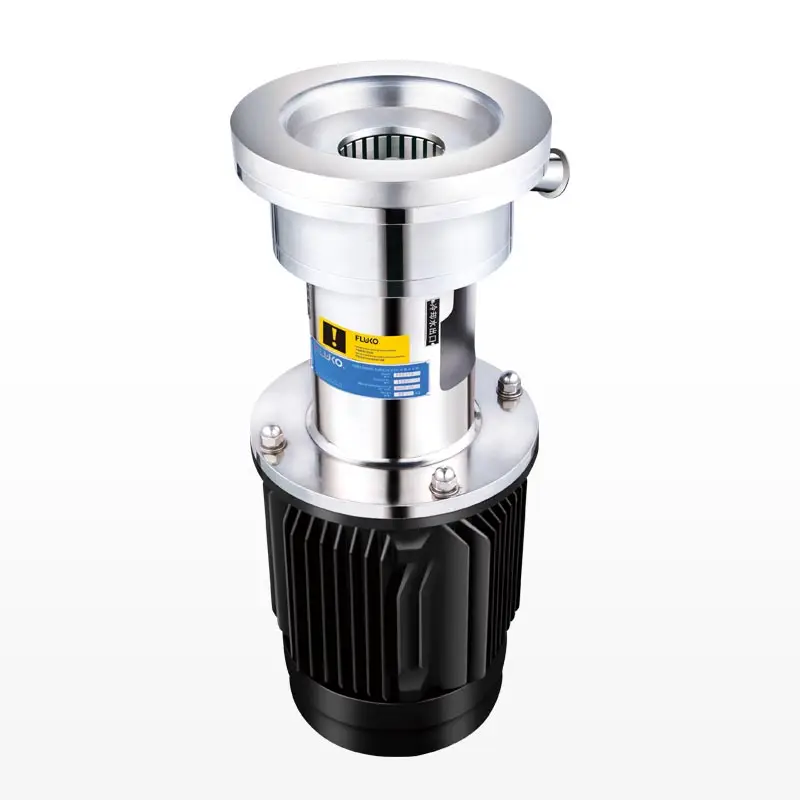
Where designs fail: technical roots you can act on
Most failures trace to three tangible causes: incorrect scale-up rules, inadequate mixing intensity, and overlooked contamination pathways. Scale-up isn’t guesswork — monitor power per volume, Reynolds number, and shear rate, and validate with short pilot runs. If dispersion is weak, increase shear locally (adjust impeller type or introduce a focused inline stage). If contamination or cleaning slows you down, redesign sealing or CIP access. Each fix is concrete: change geometry, control speed, or add an inline static or dynamic stage. Do the maths, run a 4–8 hour trial, and trust real data over intuition.
Proven experience, anchored in industry practice
Process engineers and OEMs show consistent patterns at major trade gatherings like ACHEMA in Frankfurt: practical demonstrations, side-by-side trials, and published case studies reveal what scales reliably. That shared field experience matters — it’s how teams converge on reliable mixing choices. For practical sourcing and detailed machine specs, many turn to established chemical mixing equipment manufacturers who publish datasheets, test reports, and validation protocols. Use those documents to compare expected shear, torque limits, and maintenance intervals before you commit.

Options and common pitfalls — short evaluations
Static mixers are simple and low-maintenance but can struggle with high-viscosity systems. Batch agitators give flexibility but add dead zones if not positioned and baffled properly. Inline high-shear devices deliver quick dispersion but demand upstream feed control and solids handling. Pitfall checklist: don’t undersize pumps feeding an inline stage, don’t assume lab rotor speed scales linearly, and don’t skip material-compatibility checks. If you need an alternative path, pilot two architectures in parallel for the fastest clarity.
Action plan: practical steps to get production running reliably
Start with clear criteria: target particle size, allowable cycle time, acceptable energy input, and cleaning turnaround. Run a bench-top test to map shear vs outcome, then a short pilot to validate scale factors. Specify mechanical limits (speed, torque) and service access in procurement documents. Train operators on troubleshooting: how to spot starving feed, seals failing, or blade wear. Schedule predictable maintenance intervals based on run-hours and record simple KPIs — variance by batch, blending time, and cleaning time — then iterate.
Wrap-up: pick the solution that keeps production moving
Problems in mixing are mechanical and procedural, not mystical. Tackle them with targeted tests, clear acceptance criteria, and vendors who back their specs with data and field references. When your choice aligns to process needs, plant constraints, and validated performance, the result is steady throughput and repeatable quality — the exact outcomes engineers aim for with FLUKO.