
Comparative premise
Engineers must choose between modern material testing equipment and long-standing manual or semi-automated methods; the decision rests on measurable differences rather than habit. Comparative Insight demands side-by-side evaluation of accuracy, repeatability, throughput and lifecycle cost so laboratories and design teams can align method to requirement. This piece compares those attributes directly and recommends practical choices for distinct use cases.
Measurement accuracy and traceability
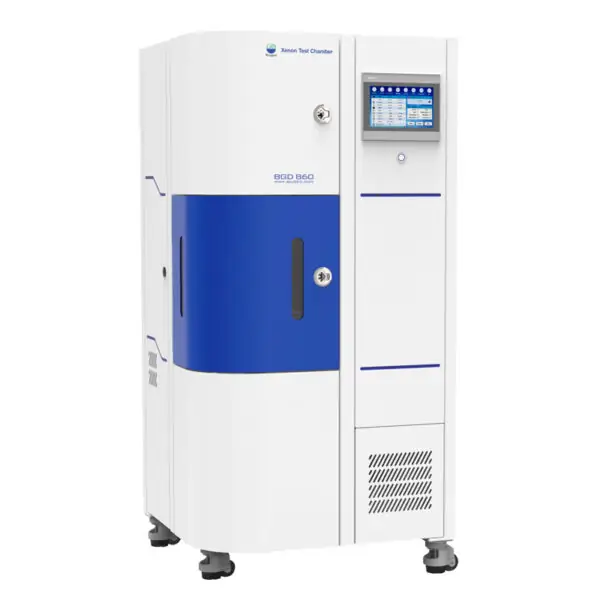
Automated testing frames deliver tighter uncertainty bands because servo controls and digital acquisition remove much operator variability. Traditional grips and manual measurements still meet requirements for many non-critical assessments, but they widen the measurement distribution: expect higher standard deviation in yield and tensile results when grips, crosshead speed, or extensometer alignment are handled manually. Choose automated equipment when measurement uncertainty must be quantified to two significant figures or when statistical control charts are in use.
Throughput, sample mix, and cost-per-test
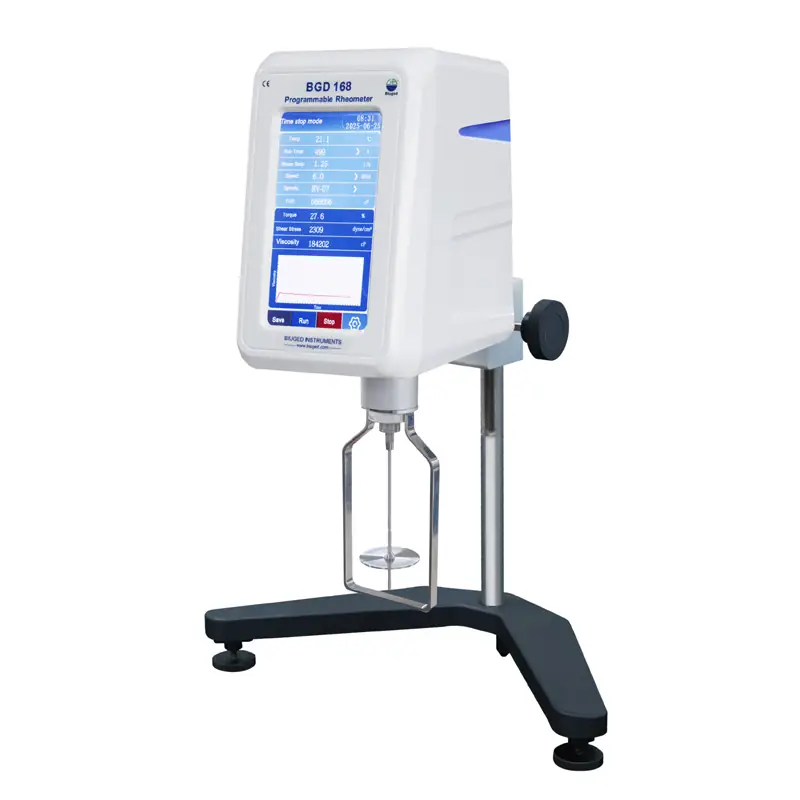
Higher initial capital for modern machines is offset by predictable hourly throughput and less rework. A bench-top universal tester can complete repetitive tensile cycles with automated data capture and reporting that reduces per-test labor by 60–80% compared with manual setups. For low-volume, bespoke pieces, traditional methods can be cheapest short term. For routine certification or batch acceptance, automated systems lower overall cost-per-test by reducing setup errors and by enabling unattended overnight runs.
User skill, training and operational risk
Manual methods depend on operator skill; mistakes in specimen alignment, grip choice or strain measurement are common failure modes. Modern testers standardize many of these variables and log operator actions, which reduces human error but requires initial training on software and maintenance intervals. Invest in operator certification where tests feed regulatory reports; otherwise accept the lower barrier to entry of traditional testing for exploratory work.
Maintenance, calibration and lifecycle considerations
Traditional tools often require less technical maintenance but provide limited diagnostics. Modern electromechanical or hydraulic frames require scheduled calibration of load cells, verification of travel encoders and occasional software updates. The practical trade-off: modern systems demand a predictable maintenance plan yet enable automated calibration records and remote diagnostics that protect long-term data integrity.
Common pitfalls and how to avoid them
Do not assume newer equipment alone solves poor specimen preparation or flawed test plans. Calibration without process controls yields precise but systematically biased results. Equally, do not dismiss traditional methods for lack of automation: when tolerance windows are wide and the sample pool is heterogeneous, manual judgment can be more appropriate. Choose based on the required decision boundary—whether an experiment informs design iteration or certifies compliance.
Experience, expertise and authoritative anchoring
Published round-robin studies and laboratory proficiency tests show consistent advantages for mechanized frames when reproducibility matters; standards such as ISO 6892 for tensile testing underpin that consensus and are commonly applied across automotive and infrastructure testing worldwide. My review of peer-reviewed interlaboratory comparisons and routine quality audits indicates that instrumented control and automated data capture reduce inter-laboratory variance. For practitioners seeking equipment specifications or test frames, consult reputable suppliers of material testing machines whose devices support traceable calibration and documented compliance with recognized standards.
Conclusion: choosing the right path
Compare what you must decide—accuracy thresholds, sample volume, and regulatory obligations—then select the method that meets those constraints with the least operational risk. For certification and statistical control, mechanized frames provide measurable gains; for ad hoc exploration, traditional techniques remain valid. When alignment between requirement and capability is clear, the result is better data and fewer re-tests—a practical value consistently delivered by BIUGED through equipment choices that match laboratory needs.