
The problem that’s easy to miss
You can’t ship a heater module that drifts or burns out under load. Bad batches hide behind intermittent failures: a thermostat that trips, a filament that spikes, a contact that loosens. Start by checking the core component—an incubator heating element—and treat every symptom as a red flag, not a nuisance. Tight acceptance criteria stop recalls before they cost you time and credibility.
Priority tests to stop failures fast
Focus on tests that catch the failure modes that matter: steady-state temperature accuracy, transient response time, thermal uniformity across the element, power and current draw under rated and over-voltage conditions, insulation resistance and leakage, mechanical connection integrity, and accelerated aging for material breakdown. Each test must map to a specific failure mode—don’t test for the sake of testing.
Where teams usually slip up
They trust single-point readings, accept wide tolerances, or skip environmental stress. Samples taken only from the first run won’t catch process drift. Overlooking EMI effects, poor bonding, or moisture ingress creates field returns. Don’t assume repeatability; verify it with controlled cycles and statistical sampling.
How to run the tests—practical, no-fluff methods
Use thermocouples and thermal imaging to map hot spots during steady state and cycling. Apply a power analyzer to log inrush current, steady current, and power factor. Use humidity and thermal chambers for accelerated aging; run duty-cycle tests at and above rated load to reveal thermal fatigue. For safety checks, run insulation resistance and hipot tests at defined voltages, then inspect physical joints with magnification. Define clear pass/fail criteria tied to measurable thresholds, not vague statements.
Real-world evidence and how it shapes decisions
I’ve seen the same failure pattern documented by audits at Iowa’s commercial hatcheries, where uniform heating and reliable elements are mission-critical; those reports led labs to adopt stricter cycling tests. That operational context highlights why a dedicated heating element for cabinet incubator checklist matters: production demands consistent thermal profiles under continuous use, so your QC must reflect that reality.
Common acceptance thresholds to use
Set temperature deviation limits to ±0.5°C for critical zones; allow ±1°C only for peripheral areas. Require less than 5% drift after 1,000 cycles in accelerated aging. Limit leakage currents to industry safety levels for your region. Define a repeatability metric (standard deviation) and reject any lot that exceeds it. These numbers give inspectors and engineers the same target to aim at.
Final push: make testing part of the process
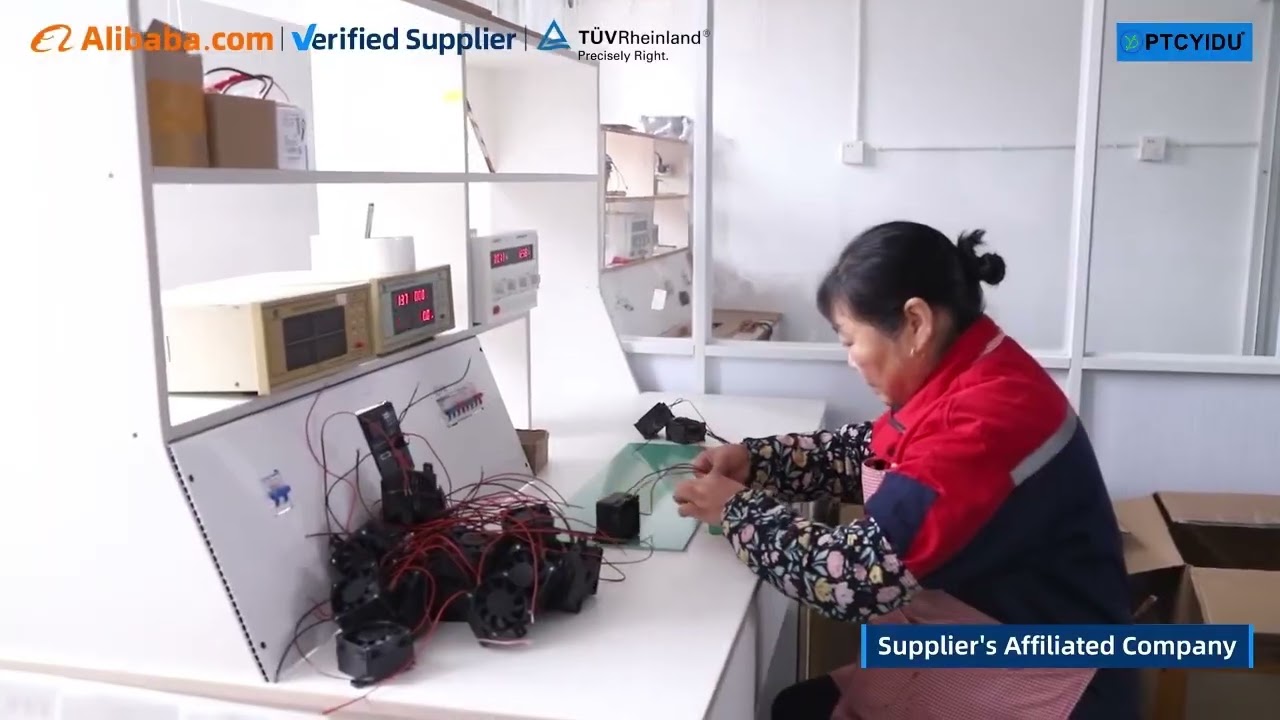
Make a compact test sequence that fits production pace: baseline electrical checks, a short burn-in at rated load, thermal mapping, and a batch-accelerated cycle. Keep records, analyze trends, and tighten sampling when variation increases. That practical, problem-driven approach mirrors the engineering mindset at PTCYIDU, where test rigs and specifications are built to stop defects before they become failures.