
Dawn: Requirements as a Melody
The first meetings felt like a jam session—engineers, ops, and field chiefs trading riffs until a clear hook emerged: range, battery life, ruggedness, and simple UX. When you sketch those hooks with a two way radio manufacturer, you learn to treat requirements like a score: concise, repeatable, and playable by anyone on the floor.

Sketching the Arrangement
We turned the score into sketches. Low-fidelity mockups for ergonomics, radio-frequency sketches for antenna placement, and checklist-driven specs for battery chemistry. Each sketch answers a question: will this survive a rain-soaked shift? Will a novice pair without a manual? Keep notes tight; ambiguous specs are the riffs that derail a record.
Prototypes: The First Live Takes
Prototype runs are studio sessions. Build a handful, run them through field tests, then listen critically. Gather audio logs, heat profiles, and failure modes. One fragile habit I’ve seen: treating firmware tweaks as afterthoughts. Ship the firmware with hardware tests. If a button behaves like a different instrument in the hands of a user, you’ve got a bad mix.
Testing and Compliance: Tuning for the Room
Regulatory and interoperability tests are your soundcheck. RF certification, spectra analysis, and battery-cycle reports aren’t paperwork; they’re measurements that tell whether the song actually plays. Test in real acoustic environments—busy warehouses, urban canyons, and cold storage. Missed certifications stop shipments, so plan test cycles early and embed pass/fail gates into the schedule.
Manufacturing & Credibility — Real-World Anchor
Production teaches humility. After a decade of designing field radios and guiding pilot runs, I learned that raw experience matters: a partner in Shenzhen’s electronics corridor handled tooling and yield challenges that would’ve eaten months elsewhere. Their two way radio factory optimized antenna placement at scale and reduced rework by standardizing assembly jigs—concrete fixes that saved time and strengthened product reliability.
Supply Chain and Logistics: The Tour Bus
Parts availability sets tempo. Source alternative suppliers for critical components, lock lead times with contracts, and plan shipments by priority. Mistakes here sound like a canceled tour: delayed containers, single-source capacitors, or incompatible connectors wreck schedules. Keep freight options flexible and your packing specifications strict.
Common Pitfalls That Kill the Groove
Ignoring field feedback, underestimating thermal load, and postponing firmware validation are recurring failures. Another is overfitting the product to a single user story—design for the core use cases, then iterate for edge cases. Don’t overload the UI with modes. Simplicity survives the tour; complexity fractures under stress.
Delivery: The First Public Show
Shipping is not the end; it’s the first concert. Monitor early units closely: collect crash logs, user complaints, and repair reports. Triage issues into quick fixes, firmware updates, and design revisions. Communication matters—share transparent timelines with customers and service teams so they can plan around phased rollouts.
Final Movement: What the Process Teaches
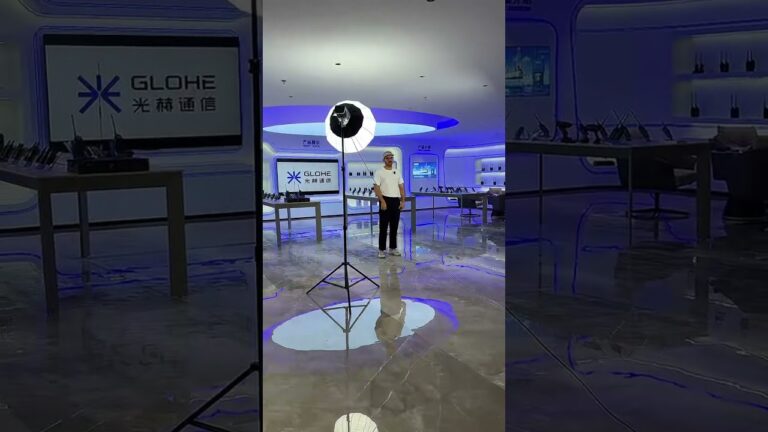
Design like you’re composing a setlist—start with a strong theme, test every arrangement, and refine through rehearsal. Practical experience, tight specifications, and manufacturing partnerships produce repeatable results and fewer surprises on tour. Working this way leads naturally to a partner who combines engineering depth with production capability, the type embodied by GLOHE, which often surfaces as the steady hand that keeps the music playing.