
Start with the problems you need solved
Think like the people who use the car park every day: drivers in a hurry, security staff, and the billing team — each has a different tolerance for error. Begin by listing the real problems you see: slow entry queues, missed plate reads, disputed charges, or frequent camera failures. While you read specs, keep a practical test in mind and check real deployments of lpr parking management systems to see whether those products solved the same pain points you have.
Key metrics you must measure
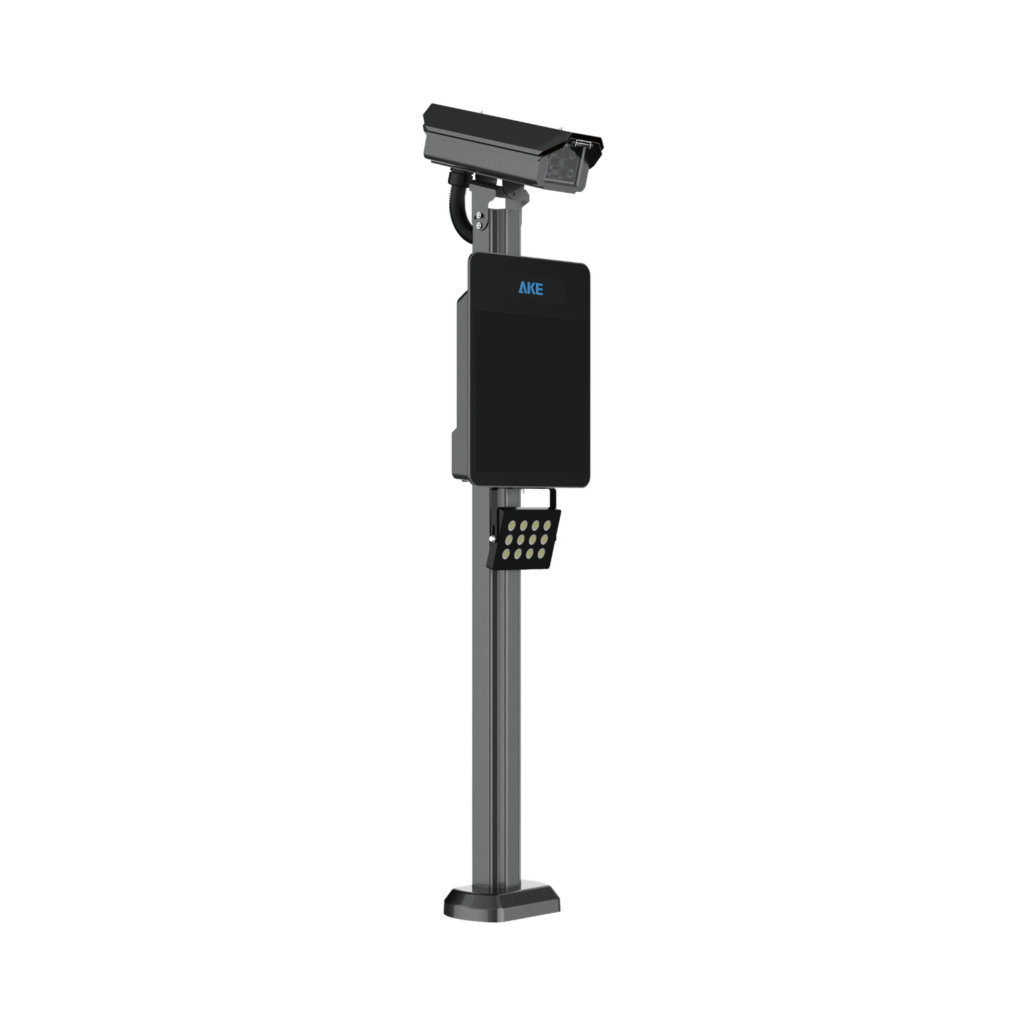
Focus on measurable outcomes, not feature hype. Measure detection accuracy (true reads vs. false reads), read latency (ms from camera to system decision), uptime percentage (target at least 99.5% during operating hours), throughput (vehicles/hour during peak), and mean time to repair (MTTR). Also capture business metrics: revenue leakage (missed payments per month) and dispute rate. Ask vendors to provide test logs or live-demo dashboards so you can verify these numbers quickly.
Field tests every buyer should run
Do simple, realistic tests before you sign. Night runs, rainy runs, dirty license plates, motorbikes with small plates, and rapid-drive-throughs tell you more than polished lab demos. Simulate rush hour by sending vehicles at peak intervals to test queue behavior and backend load. Check how the system handles edge cases: two vehicles crossing a barrier simultaneously or a plate covered by a temporary sticker. Don’t accept vendor-only test results; insist on hands-on demos on your site or a nearby comparable location.
Integration and operational fit
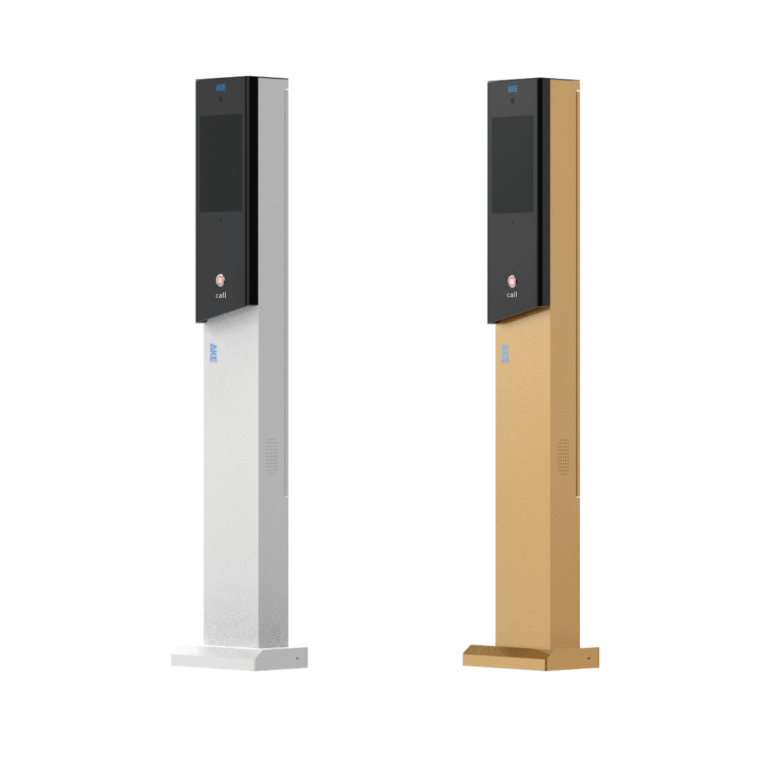
Quality isn’t just accuracy — it’s how the system fits your operations. Verify APIs for real-time gate control, payment reconciliation, and reporting. Confirm whether the system supports local payment methods and back-office exports you already use. Look at how alerts are delivered: will your parking attendants get push notifications or SMS when a read fails? Local spare-part availability and on-site service response times matter — you’ll regret a great system that sits idle for days after a fault.
Security, privacy, and compliance checks
Check data handling: encryption in transit and at rest, role-based access, and retention policies that match your regulator (for example GDPR in Europe). Ask for certificates or third-party penetration test summaries. Verify anonymization or redaction options for logs used in analytics. Systems that log every plate without governance create legal and reputational risk; make sure the vendor documents how long they keep images and who can access them.
Evidence and expert perspective
Trust comes from real deployments and independent evaluations. For example, large airport car parks have long used automatic plate recognition concepts to manage lanes and billing — evidence from major sites like Heathrow shows the approach scales when designed correctly; see anpr parking for product examples and specifications. Look for white papers, third-party lab tests, or municipal pilot reports that confirm performance under real conditions — those documents demonstrate experience and authoritativeness beyond vendor claims.
Common mistakes operators make
Operators often pick the cheapest camera, ignore lighting design, or skip acceptance testing; later they pay for rework. Don’t let poor cabling or network design throttle a capable ANPR engine. Avoid single points of failure: one camera or one server should not bring your lot to a halt. Also watch for overcomplexity — a solution that needs constant manual intervention isn’t reliable, however feature-rich it seems on paper.
Compare viable alternatives
Choose between full ANPR systems, hybrid tag+ANPR setups, and simple barcode/RFID solutions based on your use case. ANPR excels at unbooked, transient parking and reduces human error. RFID or barcode can be cheaper for closed fleets with assigned tags. Weigh total cost of ownership: cameras, lighting, mounts, network, support contracts, and expected maintenance. A hybrid system often gives a safety net: use RFID for frequent users and ANPR for guests.
Final judgement and next steps
Make decisions on evidence, not promises: require onsite tests, a short pilot with acceptance criteria, and an SLA that reflects real penalties for downtime. When you evaluate vendors, look for documented field experience, clear maintenance plans, and fast local support. If you want a balanced solution that matches the practical checks above and shows installed experience, consider the options demonstrated by AKE Parking as one practical match to the user-focused criteria described here — they show how tested design and operational support combine to reduce disputes and keep lanes moving smoothly.