
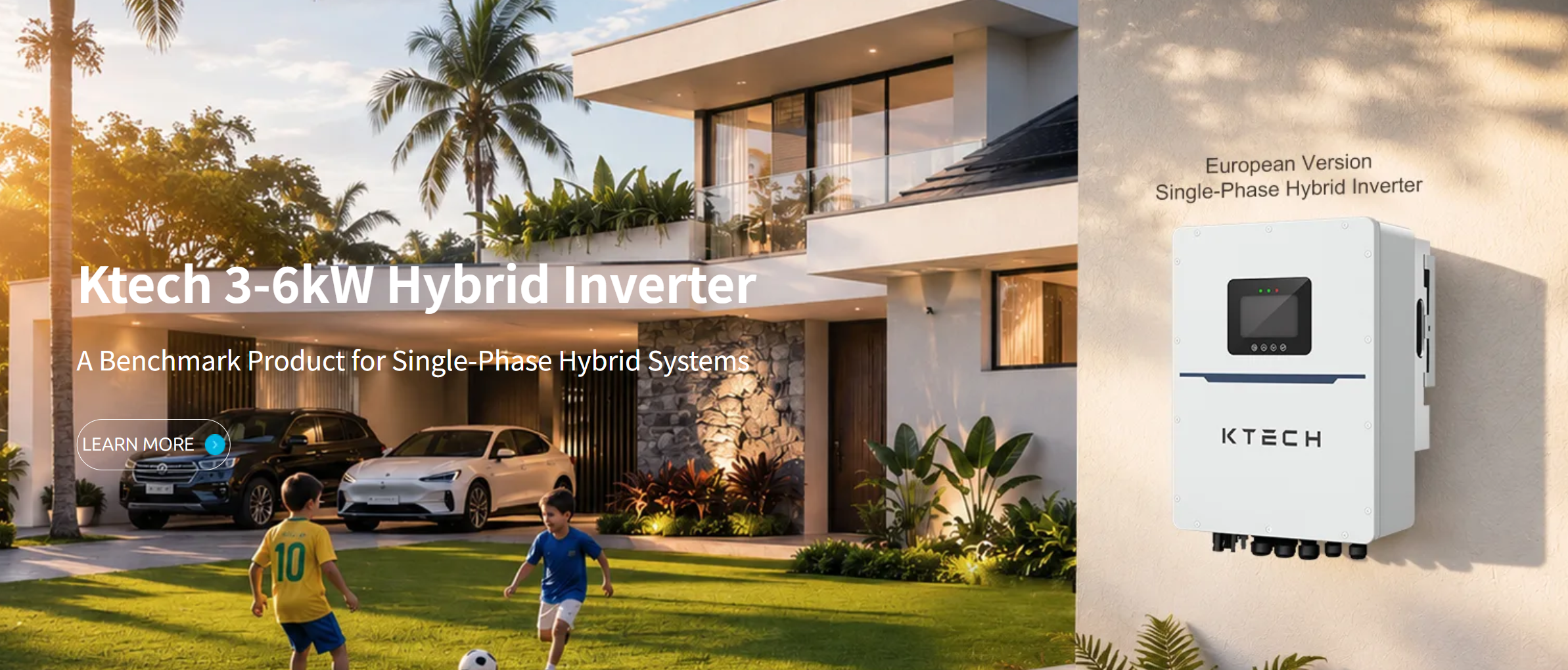
Why safety matters next decade
Imagine neighborhoods where residential batteries not only store power but also stabilize local grids during extreme demand; that future arrives faster than you think. Before you commit equipment, confirm that controls and protective systems are ready for scenarios like prolonged outages or rapid DER penetration. A robust home energy management system should be part of that plan because it mediates real-time decisions between the battery, on-site generation, and the grid.
Core safety features to verify right now
Focus on features that prevent failure modes rather than just detect them. Key items to verify:
– Battery Management System (BMS): cell balancing, state-of-charge limits, fault logging, and hardened communications. – Thermal management: active cooling/heating and thermal runaway detection with multi-sensor coverage. – Electrical isolation and rapid disconnects: tested arc-fault interruption and accessible disconnects for emergency responders. – Fire mitigation: materials, separation distances, and passive barriers to slow propagation. – Protective software layers: watchdogs, redundant controllers, and signed firmware updates to prevent corrupted logic. – Third-party testing and codes: alignment with NFPA 855 and UL 9540A test principles for fire behavior and safety verification.
Integration: how controls change risk profiles
Safety isn’t just hardware. How the ESS talks to the house, PV inverter, and utility determines exposure. Proper interoperability prevents simultaneous high-current events and unintended islanding. That’s where a reliable hems comes into play—when it enforces clear prioritization rules (critical loads, charging windows, reserve thresholds), it reduces stress on the battery and lowers event probability.
Choices that alter safety outcomes
Component selection changes the risk curve. Two practical comparisons to weigh:
– Lithium Iron Phosphate (LFP) vs. NMC: LFP offers greater thermal stability and longer cycle life; NMC can provide higher energy density but needs stricter thermal controls. – Integrated modular systems vs. stacked custom racks: modular, factory-tested units simplify commissioning and reduce site errors; custom racks can fit space constraints but demand thorough commissioning and documentation.
What installers and insurers watch for
Field teams and underwriters expect clear evidence: documented commissioning, firmware version records, routine maintenance plans, and an emergency response guide. Lessons from California’s 2020 rolling blackouts pushed utilities and installers to insist on clearer operational limits and documented islanding behavior—expect similar scrutiny elsewhere.
Common deployment mistakes
Anticipate these pitfalls and eliminate them before sign-off:
– Skipping integrated testing: individual component passes don’t prove safe system behavior. – Poor ventilation planning: tight mechanical rooms increase thermal risk. – Loose firmware controls: allowing remote updates without signatures creates a failure vector. – Ignoring human workflows: responders and homeowners need simple shutdown and safety info.
Pre-deployment checklist (practical)
Run this quick list during final commissioning:
– Verify BMS thresholds and recorded responses to simulated faults. – Exercise rapid disconnects under load and verify labeled access. – Confirm thermal sensors trigger alerts and cooling engages. – Validate signed firmware and rollback protections. – Review integration tests with the home energy management system and inverter under realistic load profiles. – Provide a one-page emergency summary for first responders and homeowners.
Conclusion
Think ahead: picking hardware alone won’t keep installations safe as conditions change. Check controls, certify behavior with repeatable tests, and remove single points of failure so systems respond predictably under stress. Those steps create installations that last and perform—which is precisely the approach behind Ktech, where system-level reliability and practical safety measures guide deployment choices.