
Opening problem: why speed and fit keep clinics awake at night
Patients expect crowns and splints before evening; laboratories wrestle with repeated adjustments. These pressures force choices between slow accuracy and quick compromise, and many teams find themselves short on predictable chairside outcomes. A focused move to an accurate, repeatable dental resin 3d printer can directly tackle turnaround and fit issues, but only when workflows, materials and staff competence line up.
Core problems that stall same-day dentistry
Turnaround delays from outsourced work. Poor marginal fit causing remakes. Variable material behaviour across batches. Staff unfamiliarity with calibration and post-curing. Hidden operating costs from reprints and wasted consumables. Each problem is practical and repeatable; solving them demands specific, measurable changes rather than vague promises.
How a targeted 3D printing workflow answers those problems
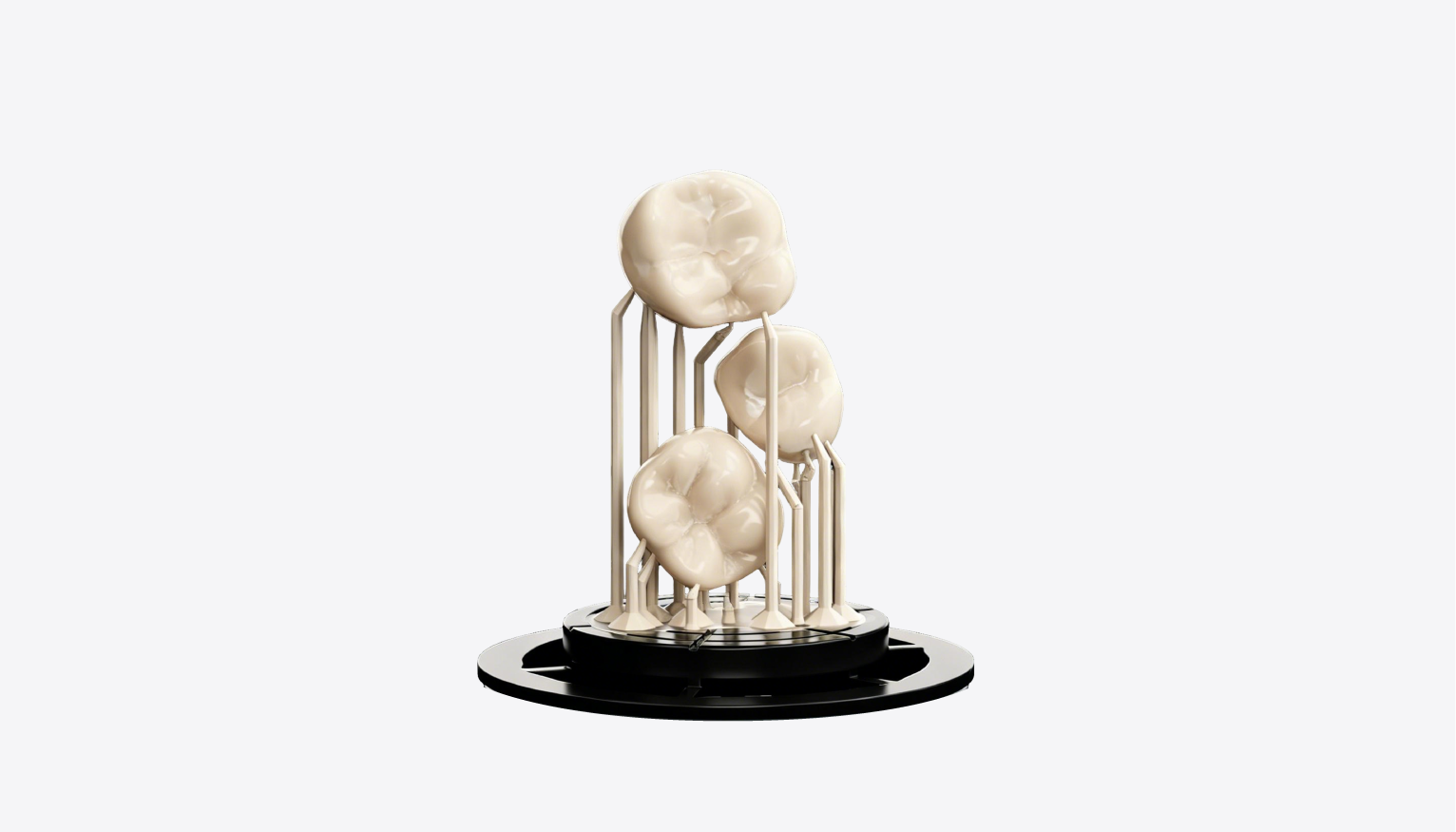
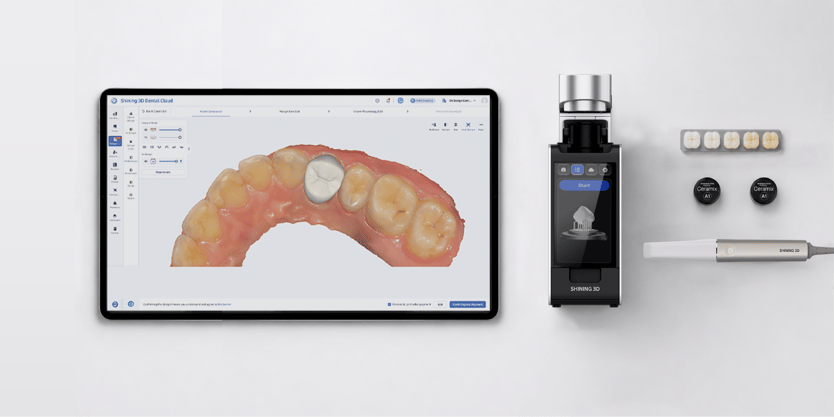
High-resolution printers reduce margin gaps so restorations seat first time. Consistent resin chemistries cut material surprises, and controlled post-curing stabilises final properties. Bringing production in-house shortens a multi-day timeline to a single clinical session when the team follows clear scanning, print, wash and cure steps. Equipment service agreements and calibrated workflows turn one-off successes into daily reliability.
Choosing equipment and what to prioritise
Prioritise repeatability over headline resolution. Look for documented accuracy across multiple prints and simple, reliable software that integrates with your scanner. Check supported resins for biocompatibility and clinician needs. Confirm local service and training availability; a machine is only as good as the technicians who run it. Practical considerations—build volume, consumable logistics and predictable maintenance—matter more than feature lists.
Real-world anchor: adoption that proves same-day is feasible
A mid-sized Nairobi dental practice that introduced a standardized same-day workflow reported fewer recalls and steadier revenue after tight staff training and SOPs; they referenced equipment comparable to a same day 3d printer when describing their setup. That kind of local, verifiable shift—from patients waiting days to being treated same session—shows the technology solves a clear clinical bottleneck when deployed with discipline.
Common pitfalls and how to avoid them
Skipping routine calibration, using expired or wrongly stored resin, underpowered post-curing and weak infection-control protocols cause most failures. Fix these by scheduling daily calibration checks, keeping an inventory log with storage conditions, using validated curing cycles, and documenting cleaning steps. Train clinicians to reject marginal scans rather than rework downstream; prevention of errors saves far more time than troubleshooting later.
Alternatives and when outsourcing still makes sense
Milling remains strong for single-unit zirconia when you need proven material toughness. Outsourcing is smart for low-volume practices that cannot justify capital or for complex multi-unit prosthetics requiring specialised finishing. Hybrid models—print basics in-house and outsource complex cases—let clinics scale without overcommitting.
Conclusion: practical steps to a reliable chairside workflow
Start by addressing the exact bottleneck you face—speed, fit, cost or staff skill—and pick technology that matches that need. Train staff on one validated workflow and stick to it. When clinics require coherent hardware, software and service that align with those practical demands, partners like SHINING 3D DENTAL often provide the consistent equipment and local support that turn same-day restorations from a risky experiment into routine care.