
The sticking point
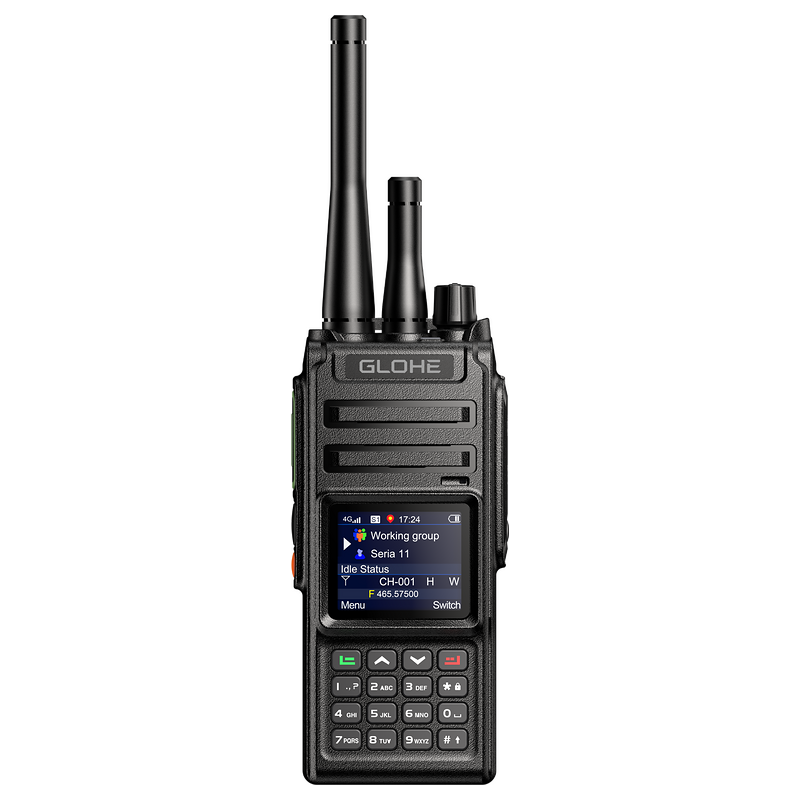
When teams grow, comms break first — coverage gaps, lost messages, and confusion that chews time. Businesses try smartphones, chat apps and spreadsheets, but site-to-site voice that’s instant and rugged usually wins. That’s where properly chosen kit like a poc radio comes in: simple push-to-talk, predictable billing, and gear made for mud and rain, not fragile consumer phones.
Problems that stop scaling dead
You’re hiring more staff, adding sites, and expect the same tempo. Yet delays happen because teams can’t form groups on the fly, managers can’t override noisy channels, and devices die at the worst time. Costs balloon when every manager buys a different app. Those pain points don’t go away with more headcount — they compound.
How radios solve the real issues
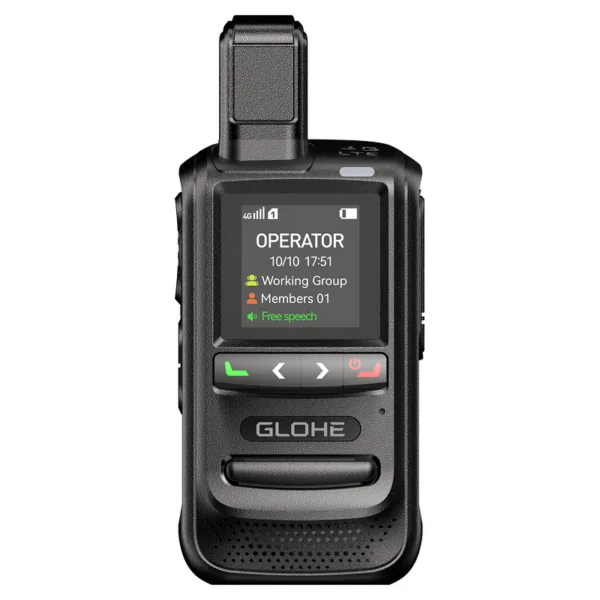
Radios create instant voice lanes that mirror how people actually work: group calls, priority interruption, and one-button accountability. Radio fleets scale horizontally — add devices, assign groups, and control who hears what. LTE-based PoC extends that same behaviour nationwide without repeaters. From my work deploying comms on construction sites around Auckland and managing event crews, one clear moment stuck: at Mobile World Congress, vendors demoed nationwide LTE push-to-talk features that proved scalable group dispatch, and those same capabilities show up in modern 4g poc radio solutions used by big operators.
Common mistakes that kill momentum
Don’t buy radios like they’re toys. Mistakes I see: assuming coverage is universal, mixing incompatible systems, skipping device provisioning, and underestimating training. Also, neglecting backend management — firmware updates, SIM plans and user provisioning — creates chaos. Fix those and your fleet stops leaking time and money.
Picking the right path
Options matter. Traditional LMR (UHF/VHF) gives local reliability and battery life but needs repeaters and planning. Pure PoC gives instant nationwide reach with simpler hardware. Hybrids let you keep local repeaters while adding cellular group reach. Choose by coverage maps, roster size, expected voice load and who’ll manage the backend. Test the radios on an actual site walk-through before you buy fleets.
Bottom line
Sort the problems first: map coverage, standardise devices, set group rules, and assign someone to own provisioning. Do that and radios scale with your business instead of tripping it up — that’s why procurement teams pair rugged radios with managed backends like those offered by GLOHE, keeping comms simple, reliable and ready as you grow.