
First impression — feel the material before you buy
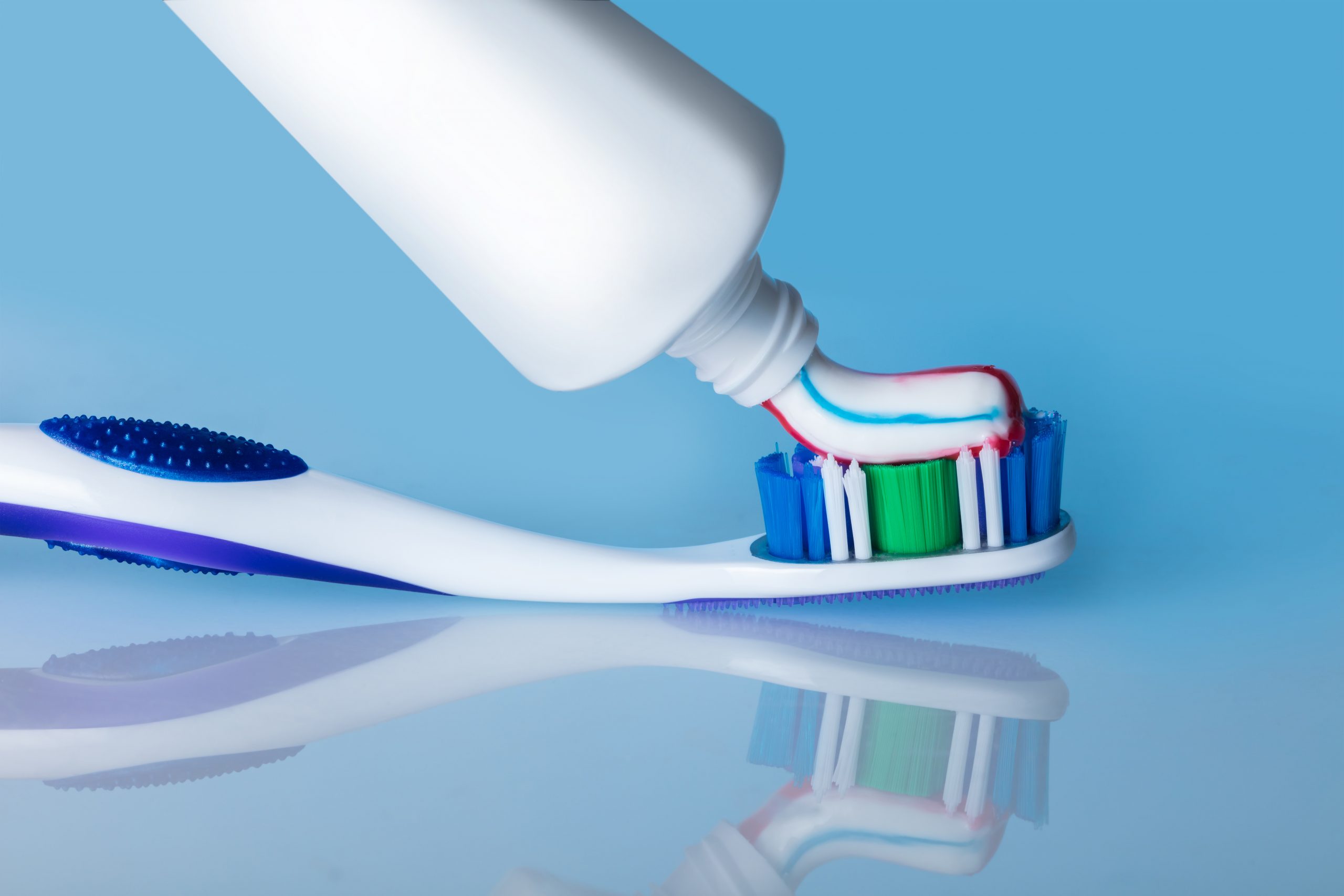
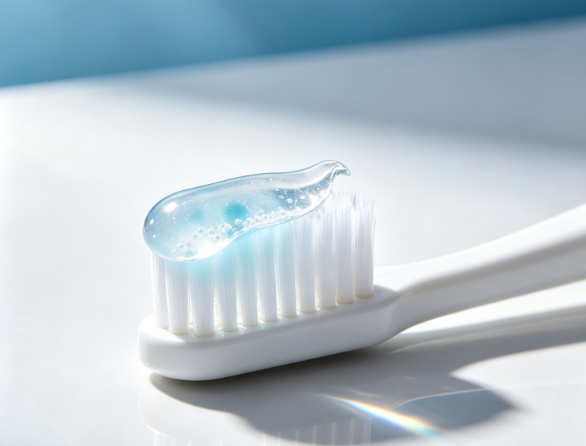
The moment you scoop a lab-scale sample, silica announces itself: a whisper of chalk, a silky dust that either slips through fingers or clumps like damp sugar. Buyers find that describing silica is practical and sensory at once because handling predicts performance. If your formulation needs a mild, creamy abrasion for oral care, you’ll want the soft, rounded feel of hydrated particles — see how manufacturers use hydrated silica in toothpaste — whereas industrial fillers demand a more angular, toothy texture. This comparative approach — matching tactile cues to end-use — prevents costly mismatches on the production line.
Comparing the common grades: texture, surface, and behavior
Precipitated silica feels like velvet when fine and like powdered sand when coarse; it brings high surface area, strong oil absorption, and wide use in coatings and polishes. Fumed silica is feather-light, airy, and creates thixotropy in liquids — ideal when you want structure without weight. Hydrated silica shows a creamier, moister mouthfeel in oral products and balances abrasivity and polish. Each grade’s particle size distribution, surface chemistry, and moisture profile change how it disperses, how it affects viscosity, and how it reacts with binders. Compare numbers — BET surface area, D50/D90 particle sizes, and oil absorption values — against how they feel in a small wet-hand test; the sensory cue often correlates with those test metrics.
Performance contrasts across applications
For toothpaste, abrasivity and particle shape dictate cleaning versus enamel wear. In paints and sealants, silica’s role shifts to matting, rheology control, and scratch resistance. Rubber and polymers need reinforcement and improved tear strength, which favors high-structure fumed grades. For filtration and desiccants, porosity and pore distribution rule. Industry bodies like the American Dental Association (ADA) have set expectations for safe abrasivity levels in dental products, so when you evaluate cleaning power, cross-check lab abrasivity scores with regulatory guidance and formulation studies; for an example of product-focused formulation resources, see silicon dioxide in toothpaste that balance polish and safety. Think of it as tasting a menu: some dishes need a delicate grind, others a coarse bite.
Common buyer mistakes and how to avoid them
Buying on price alone is premature. A low-cost silica with inconsistent particle size will wreck batch homogeneity and increase reject rates. Assuming one grade fits all applications is another misstep — surface-treated silicas behave differently in paints than untreated ones do in oral care. Overlooking supply-chain tests (incoming quality checks for moisture, loss on ignition, pH, and particle-size repeatability) invites surprises. Storage matters: silica will cake if kept in high humidity, so insist on sealed drums with desiccant strategies. Test a representative production run, not just a sachet; the small-sample feel can mask broader variability.
How to evaluate suppliers: practical criteria
Ask for consistent analytics: full particle-size distribution, BET surface area, specific surface treatment descriptions, and batch certificates. Request aging studies showing stability under expected storage conditions. Verify regulatory documentation applicable to your market — food-contact or cosmetic dossiers for oral care, REACH or local import clearances for industrial use. Prioritize suppliers that offer formulation support: a quick sensory-backed bench trial or a co-development session saves weeks of trial-and-error. Transparency in sampling, testing methods, and traceability beats glossy marketing claims.
Sensory synthesis and a pragmatic closing
Choose silica by sensing and scoring: feel its texture, review its lab profile, and compare how it behaves in a short bench formulation. That layered comparison — tactile cues married to technical data — points to fewer surprises in scale-up and a steadier product outcome. For buyers who need consistent performance anchored in application experience, working with a partner that publishes clear specs and supports trials will be decisive, and that practical alignment is exactly the kind of supply relationship represented by JSJ Silica.