
Start with what the user will feel and lose
Think of a photographer opening a bag like unwrapping a fresh loaf—there’s an expectation: the texture, the scent, the silence of secure pockets. If a cheap seam gives way or a damp lining breathes mildew onto a lens, that’s a ruined shoot. Begin testing with that user moment in mind and handle a sample as if it’s the last bag standing on a rainy morning. Try the zip, the strap, the pockets; feel how the fabric moves around a body and a tripod. If you want a concrete reference for fit and function, compare to a known workhorse like the camera gear bag to see how pockets, padding, and balance should behave under real load.
Materials: texture, tensile feel, and hidden chemicals
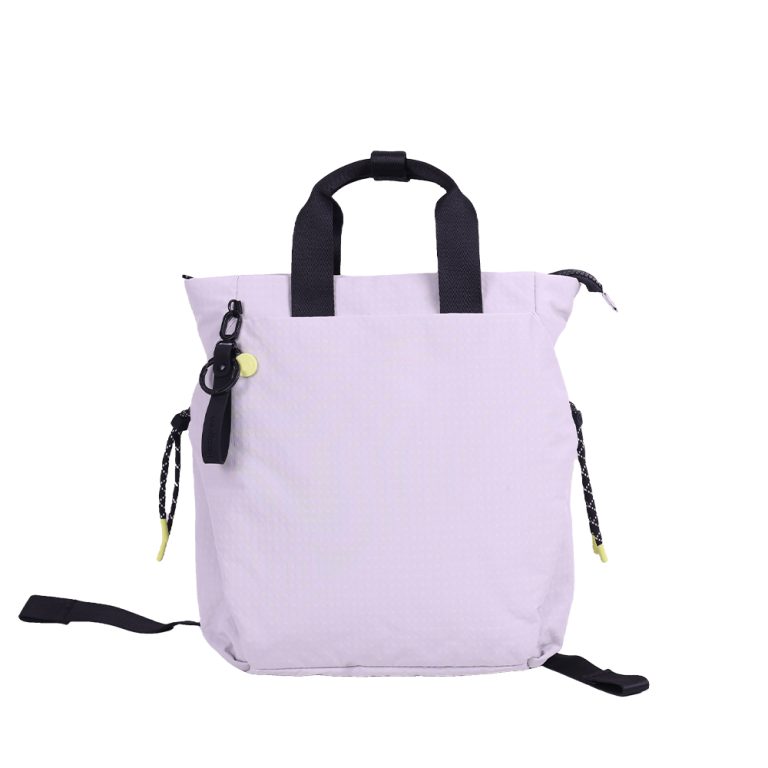
Run hands over every panel looking for irregularities—snags, rough finishes, uneven coatings. Sensory checks point to where lab tests should focus: tensile strength for fabric and webbing, abrasion resistance, and peel tests for laminated layers. Smell the lining; a strong chemical odor means off-gassing that should trigger VOC and restricted-chemicals screening. Ask for specific lab certificates: polymer grade, dye fastness, and proof of low-PFAS or REACH compliance when eco-claims are made.
Seams, stitches, and hardware: small details that fail publicly
Listen to a seam under pull; it’ll tell you if stitches are skipping or thread quality is poor. Measure stitch density and run pull tests at typical stress points—strap anchors, zipper ends, and flap attachments. Test buckles and sliders under cyclic load to simulate repeated use; metal parts need corrosion exposure checks, plating adhesion tests, and functional cycles for at least thousands of opens and closes. A rubberized coating that flakes after a few rubs is a fatal flaw—spot that early.
Weatherproofing and padding: feel and function together
Pour controlled water on seams and pockets and see how droplets bead or wick. A tactile test—rub the wet area—reveals whether water has wicked through or remained surface-bound. Compression tests on padding show whether it recovers or goes flat; drop a loaded bag from shoulder height onto concrete to check internal divider stability and lens mount security. For sustainable coatings, demand accelerated UV and flex testing so the waterproof layer doesn’t crack after a season.
Functional choreography: pockets, access, and balance
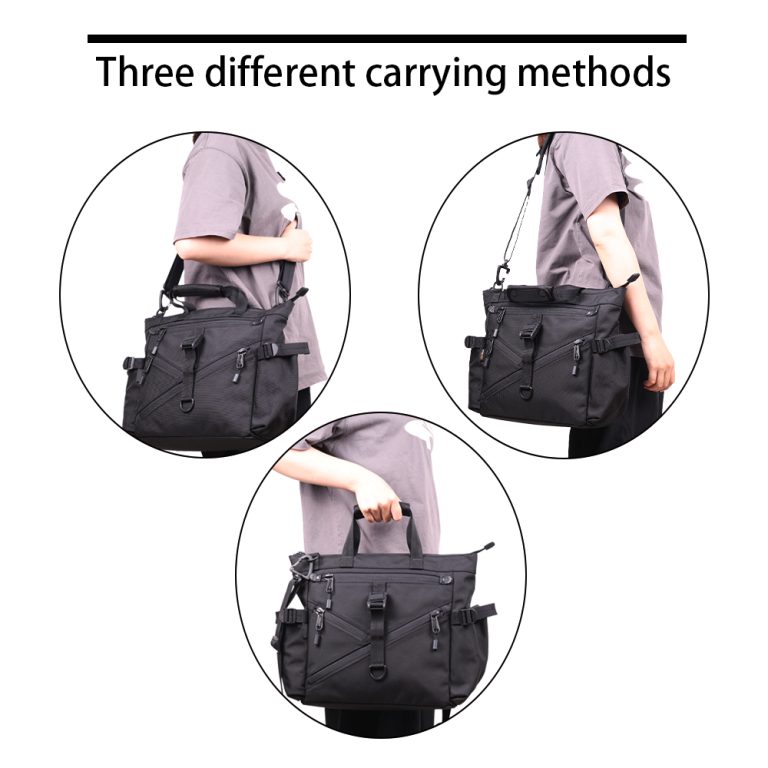
Pack a full kit and walk, kneel, run stairs. Watch how gear shifts. Does a top pocket jam when the main compartment is full? Can a tripod be secured without unbalancing the bag? These user-driven motion tests uncover poor pocket placement and hidden pressure points. Sensory cues—like a zipper catching or a strap pinching—are red flags that lab numbers won’t always show unless you simulate real movement.
Eco-claims and verification: tests that prove sustainability
Don’t accept “recycled” or “eco” on faith. Request third-party certifications and test results for recycled content, dye ecotoxicity, and absence of persistent fluorinated compounds. Verify chemical screening on finished goods as well as raw rolls of fabric. Conduct a basic life-cycle check: how repairable is the bag? Are replacement parts available? A repairable design reduces environmental cost more than a marginally lighter fabric.
Common pitfalls to avoid during QC
Skipping end-of-line functional checks because the factory passed material specs is a frequent mistake. Overlooking hardware saline-spray tests for coastal users and ignoring odor tests for enclosed linings are other big ones. Don’t conflate lab results for raw materials with finished-product performance—lamination processes can change behavior. Finally, failing to document test methods and sample traces will make defect causes impossible to trace later.
Experience, standards, and a real-world anchor
Years of bench testing and field checks teach you to trust both instruments and instincts. I’ve measured stitch strength with tensile frames and then taken the same bag to a trade show floor to watch photographers load gear under stress. At Photokina in Cologne, where brands show what survives professional use, practical durability matters as much as lab numbers. For a direct comparison during such evaluations, a well-designed Photography Gear Bag demonstrates how padding layouts, pocket access, and sealing come together—helping you triangulate which lab tests need emphasis and which tactile failures will be unforgiving in the field.
Putting the checklist into practice
Start with sensory inspection, then run targeted mechanical and chemical tests anchored by realistic user-movement trials. Log results against clear fail/pass criteria and keep a return-feed of field failures to update your test battery. Repairability, honest eco-certification, and protective performance are the metrics that separate a bag that looks green from one that genuinely lasts green. When you align those tests with what photographers actually do, quality becomes obvious—so does the value of a maker like ChangRong that designs with both tactile detail and verifiable test results in mind.