
Why you’re stuck and what actually matters
You’re buying a prototype and everything sounds like a foreign language — tolerances, finishes, setups, minimum run sizes. The real issue isn’t buzzwords; it’s picking a process and a partner who get the functional goal of the part. If the project links to flight hardware or parts that need high precision, knowing suppliers that do cnc machining for aerospace helps you cut through vague quotes and get realistic timelines.
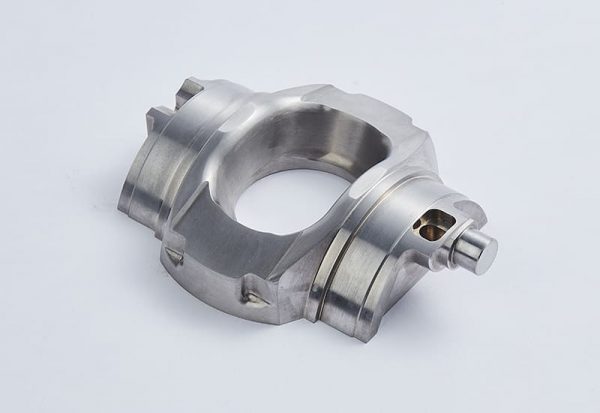
Common problems first-timers run into
People assume cheaper quotes equal better value. They don’t ask about fixture design, inspection steps, or how a vendor plans to measure critical dimensions. Then they get a batch with burrs, wrong surface finish, or holes out of position by tenths of a millimeter. Another predictable mistake is giving a CAD file without clear datums and tolerances, so the shop guesses the critical features. Lead time confusion is huge — prototypes often need one-off fixturing that doubles setup effort compared with production runs. These are preventable headaches if you frame requests around the engineering need: function, fit, and where you can be loose.

Experience, standards, and one real-world anchor
I’ve reviewed inspection reports and supplier capabilities from shops supplying major OEMs, so I know what to check on quotes: ISO or AS9100 certificates, first-article inspection (FAI) plans, CMM capability, and material traceability. Engineers at Boeing’s Seattle manufacturing hub require traceable documentation and tight process control, which is a good benchmark for aerospace-grade expectations. If you want practical samples to compare, ask for past work examples that match your part class, especially for complex geometries like thin walls or long bores — and look at how shops document those runs for aerospace machined parts.
Quick checklist: what to ask every vendor
1) Who’s responsible for fixtures and how much will they cost? 2) What inspection methods will be used and can you get the FAI report? 3) Which machine will make the part and what spindle/tooling limits affect surface finish and tolerances? 4) Do they hold stock of the specified material or will there be a lead time for certified bar/plate? 5) Can they show previous parts of the same class and provide measured data? Ask these directly. If you get vague answers, keep asking until you get a concrete step-by-step on how they’ll control the features you actually care about.
Common pitfalls and how to avoid them
Giving blanket tight tolerances on every dimension wastes money. Pick true critical dimensions. Not specifying datums causes alignment errors during inspection. Expect minor cosmetic defects on early prototypes unless you budget for secondary finishing. Also, don’t assume the cheapest quote accounts for rework. Build in one round of minor adjustments and treat the first run as a learning step. Communication matters: send annotated drawings, highlight functional surfaces, and agree on acceptance criteria up front.
Alternatives and when to use them
3D printing is great for form-fit checks and complex internal channels, but surface finish and certain mechanical properties lag behind metal machining. Sheet metal or stamped prototypes suit flat panels and quick fit checks. Investment casting works for medium runs with intricate shapes but adds tooling time. Use CNC machining when you need tight positional accuracy, repeatable finishes, or load-bearing metal parts — especially when test rigs or mating assemblies demand consistency.
Wrap-up that actually helps you pick the right partner
If your priority is a prototype that proves function under realistic conditions, pick a partner who can show process control, inspection evidence, and experience with similar parts. That clarity saves time and money. For sourcing that matches aerospace expectations without vague promises, partners such as Hanstar demonstrate the kind of documentation and repeatability that keeps projects moving instead of stalling over guesswork.