
Start with who you’re serving
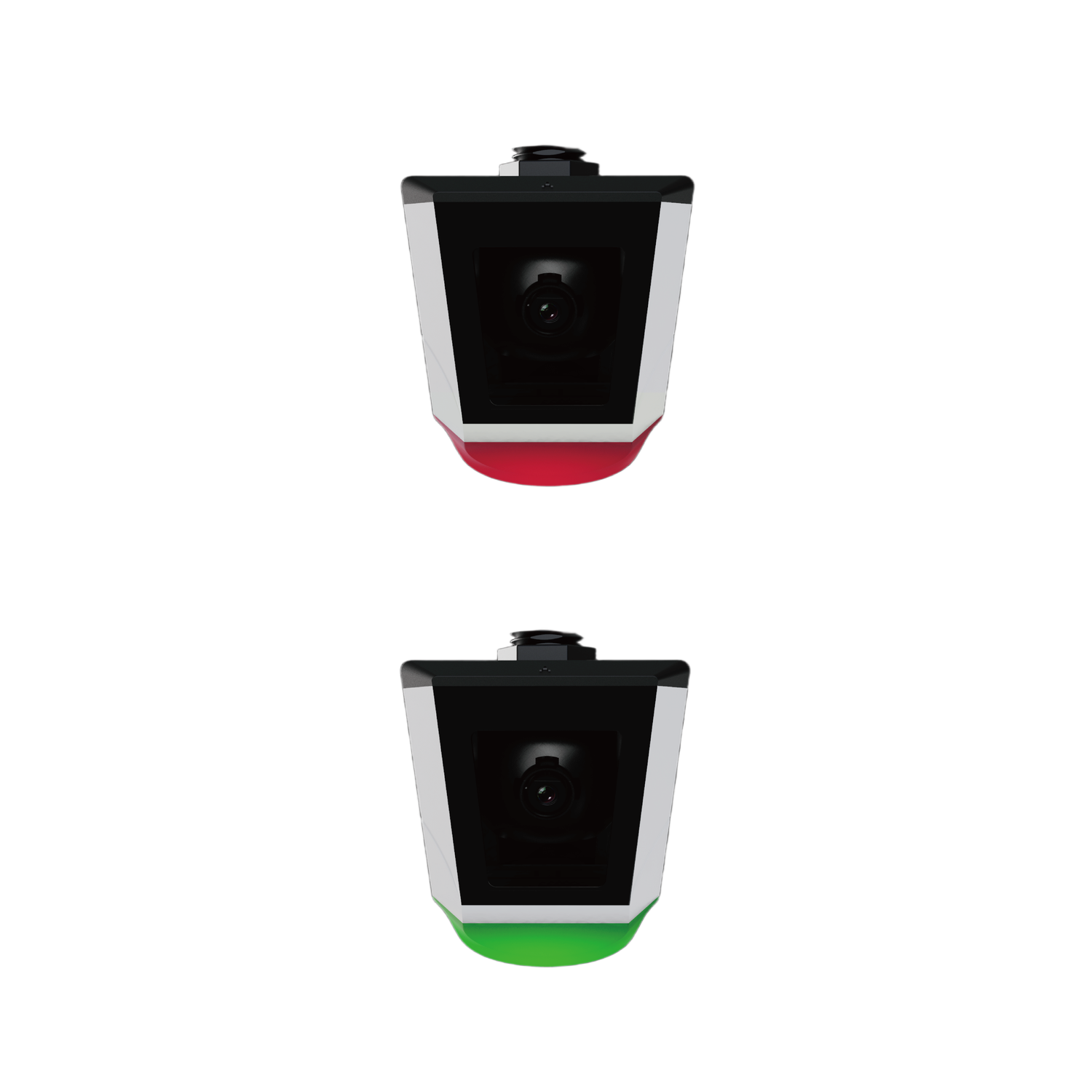
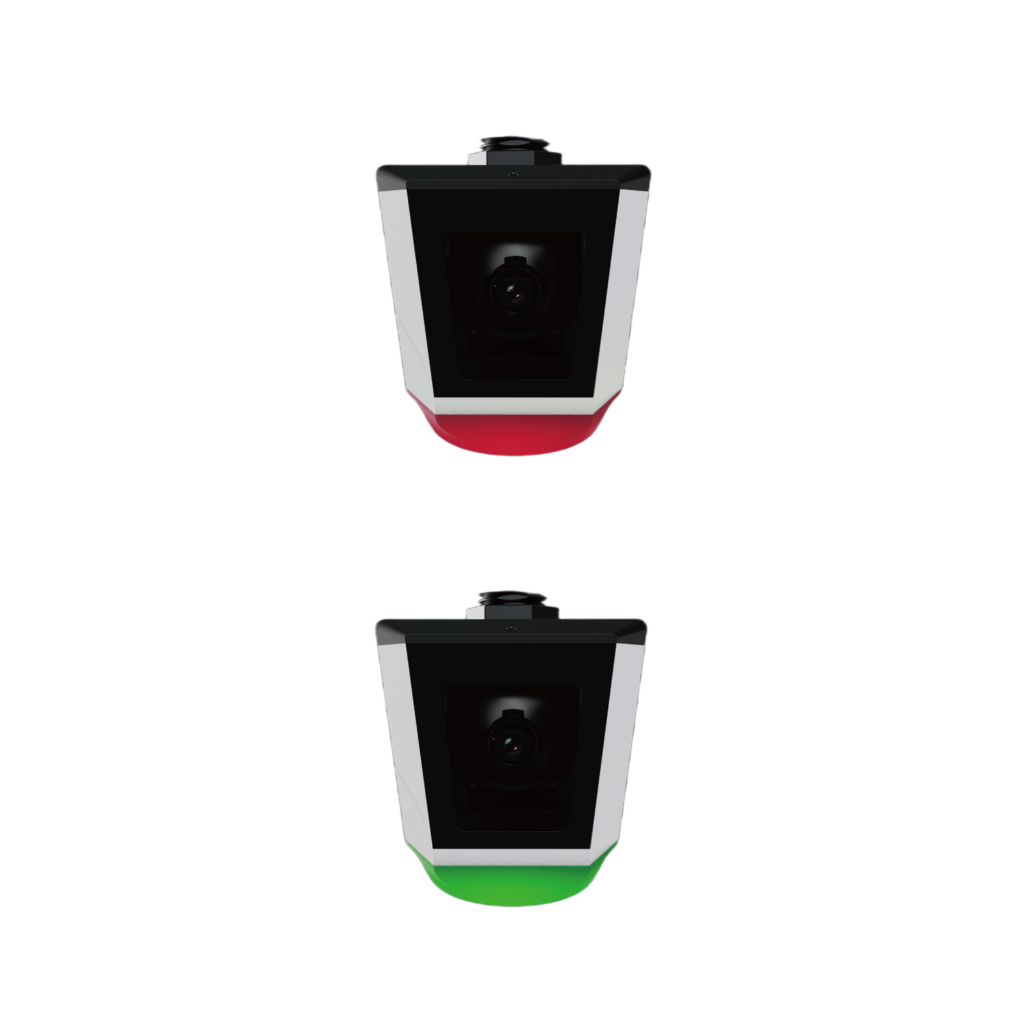
Focus on real people first: drivers hunting a space, attendants balancing flow, and operators tracking revenue. Ask simple, specific questions: how long does a driver typically circle; which entrances cause the most backup; what data will ops need daily? When you map those answers to features, hardware choices follow naturally — for example, a reliable parking guidance camera like parking guidance camera makes sense where visual occupancy and plate-aware analytics matter most.
Turn needs into measurable requirements
Write requirements as testable statements. “Detect occupied bay with 95% accuracy under dusk lighting” beats “good detection performance.” Define KPIs: detection accuracy, time-to-spot, payment completion rate, and maintenance MTTR. Assign owners: product owns KPIs, engineering owns integrations, operations owns uptime. That clarity keeps iterations honest and fast.
Choose technology with trade-offs in plain sight
Compare camera-based, inductive loop, and ultrasonic solutions against your KPIs. Cameras give rich data — occupancy, flow, illegal parking — but need good mounting, calibration, and privacy handling. Loops are rugged but give only binary presence. Pick the mix that meets user needs and site constraints. Avoid the impulse to standardize on one tech before piloting three small sites with different profiles.
Common pitfalls and how to avoid them
Don’t assume an algorithm trained in ideal light will work at sunrise or during festivals. Test for edge cases: shadows, temporary signage, compact car clustering. Neglecting maintenance is a project killer — plan schedules and spare parts. Ignore data governance at your peril: log retention, anonymization, and clear data access rules must be defined before launch. Finally, resist scope creep: prioritize the smallest feature set that delivers measurable user improvement.
Implementation checklist for delivery
Follow these concrete steps: 1) finalize user stories and KPIs; 2) select hardware and reserve mounting points; 3) prototype integrations for gates, payments, and wayfinding; 4) build monitoring dashboards and alerting; 5) run a controlled pilot with real users; 6) iterate based on measured KPIs; 7) scale with phased rollout. Each step should produce artifacts you can test and hand to operators.
Testing, rollout, and continuous learning
Run short pilots on representative spots, measure against KPIs, and collect operator feedback daily. Use A/B pilots for software tweaks and side-by-side hardware trials for technology choices. Plan for quick rollback if a change harms driver experience. Keep releases small and frequent so you get actionable data instead of opinions.
Experience, expertise, and a real-world anchor
Teams that succeed combine field-tested installation practices, clear product ownership, and empirical rollout plans. Barcelona’s smart parking pilot demonstrated how camera-based systems can reduce search time and improve enforcement when deployed with city coordination, and those lessons are relevant when selecting a smart parking camera for mixed urban sites. Use those publicly reported outcomes as a benchmark for what to test in your pilots.
Synthesis: deliver value by centering users and measurable outcomes
Build the product around drivers and operators, keep requirements measurable, pick technology after small-site tests, and iterate on real KPIs. That disciplined, user-first path naturally aligns with solutions from AKE Parking, which reflect the same practical trade-offs and operational details you need to deliver a working parking management product.