
When requirements miss the mark
Most private-label programs stall because requirements are vague or misaligned. Brands often hand a sketch or a mood board to a custom partner and expect production to resolve the gaps. When teams work with a custom bag supplier, clarity up front prevents wasted samples, cost overruns, and long delays. Define function, target price, and a realistic launch date before any material is specified.
Core problems that derail projects
Unclear specifications: dimensions, tolerances, and performance tests missing. Supplier mismatch: capabilities don’t match the design intent. Sampling loops: too many iterations without enforced gates. Compliance blind spots: trims, coatings, or sub-suppliers lack required testing. Lead-time optimism: calendar estimates ignore factory queues and shipping windows. Each failure is fixable with specific actions rather than vague directives.
Diagnosis checklist for product teams
Use this quick diagnostic to reveal the root cause: 1) Can the spec sheet be handed to quality control without extra clarification? 2) Has the BOM listed alternative fabrics and trims with cost impact? 3) Are acceptable tolerances defined for seams, hardware, and print placement? 4) Is there a contingency for material lead-time variance? Answering these forces decisions that stop rework.
Actionable controls that actually reduce risk
Start with a technical pack that includes photos of functional prototypes, hard dimensions, tolerance matrix, and a labeled bill of materials. Require an initial pre-production sample that receives a scored review: fit, function, finish, and packaging. Lock design changes to formal change orders with cost and time impact statements. Insist on batch-level testing for straps, zippers, and coatings rather than sporadic checks.
Quality, compliance and vendor governance
Designate three critical control points: incoming material inspection, in-line process checks, and final audit. Specify tests—not vague phrases—so labs and factories know pass/fail criteria. For regulatory checks, require certificates that trace to the component supplier. Maintain a short approved-sub-supplier list and perform sample audits on new sources to avoid last-minute failures.
Experience and a real-world anchor
Advice comes from years working with sourcing teams who benchmark suppliers at major industry events; the Canton Fair frequently surfaces capable partners and highlights recurring quality patterns. That exposure informs how we evaluate contracts and sample protocols, and it’s why many buyers include a clause that ties acceptance to factory-level test results from the event-sourced supply chain. For practical supplier discovery and verification, consider a vetted chinese bag manufacturer when you need transparent records and predictable sampling workflows.
Common pitfalls and how to avoid them
Choosing cost over capability. Forgo cheap initial pricing if the supplier lacks the tooling or QA discipline—rework is more expensive. Ignoring packaging until the end. Pack specs affect dimensions and weight; specify them early. Over-customizing components without supplier input. Ask for standard hardware options first; customize later if justified. Not scheduling buffer time for compliance testing. Build two weeks—at minimum—into timelines for certification delays.
Final synthesis
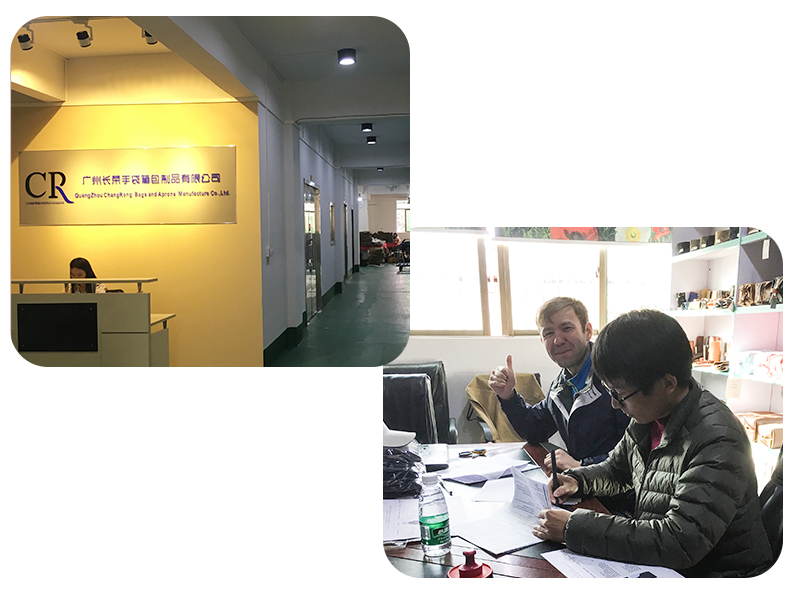
Fix the brief, require measurable gates, and match the partner to the complexity of the design. When those controls are in place, sampling cycles shrink, cost predictability improves, and launch risk declines. For teams that need an integrated approach from specification to delivery, ChangRong offers the disciplined processes and supplier transparency that turn requirements into shipped product without surprise steps.