• Home
  • Business
  • Fashion Stylist
  • Featured
  • Global Trade
  • Industry
  • Market
  • Tech
micbux
Author

Rebecca

Rebecca

Tech

Sourcing a Preclinical CRO: Cut Cost, Slash Lead Time, Protect Quality

by Rebecca November 5, 2026
written by Rebecca

Face the Real Problem

You’ve got a molecule ready to prove itself; you can’t afford vague quotes, blown timelines, or messy data. Pick a partner who knows what matters and moves fast. Start by naming the single most critical goal for your study—efficacy, safety margin, or PK/PD—and use that to steer every conversation with a preclinical CRO. Tight focus makes every negotiation sharper.

preclinical CRO

Where Cost Actually Comes From

Stop treating budget as a number. Costs rise from unclear endpoints, scope creep, species changes, and assay development. Demand itemized budgets: study design, animal costs, bioanalysis, data processing, and contingency. Push for milestone payments tied to deliverables. Use validated assays wherever possible; building assays from scratch doubles cost and risk. Choose contract options—fixed-price for defined studies, time-and-materials for exploratory work—and pick what matches your risk tolerance.

Shrink Lead Time Without Sacrificing Science

Dead time is your enemy. Nail the protocol early. Run a pre-study kickoff with the lab, statisticians, and your study director. Parallelize tasks: start bioanalytical method transfers while regulatory paperwork is processed. Choose off-the-shelf models when they answer your primary question. Lock review windows with internal teams—late internal review creates the biggest delays. Track critical path activities and remove blockers immediately.

Protect Data Quality Like a Coach Protects Form

Quality shows in reproducible endpoints and transparent raw data. Confirm GLP status if your submission depends on it. Require assay validation reports, positive and negative control performance, and raw data access policies before signing. Build acceptance criteria into the contract—what constitutes success, what triggers rerun. Schedule audit rights and at least one on-site check during complex studies. Don’t accept vague statements about “experienced staff”; ask for names and roles.

Experience, Evidence, and One Verifiable Anchor

Hands-on practice beats marketing claims. I’ve worked alongside study directors who cut repeat experiments by insisting on assay transfer checks up front. Look for partners that have repeatedly delivered efficacy readouts in established hubs like the Boston‑Cambridge biotech cluster—those centers host dense preclinical expertise and benchmark timelines against peers. When you evaluate providers, prioritize concrete case summaries and ask to see SOP snapshots. Also evaluate providers listed as a preclinical efficacy CRO that demonstrate clear endpoint validation and chain-of-custody processes.

preclinical CRO

Common Pitfalls and How to Dodge Them

Don’t let optimism cost you weeks. Pitfall: vague primary endpoint. Fix: write a one-line objective and iterate until everyone agrees. Pitfall: late assay transfer. Fix: require method transfer sign-off before animal work starts. Pitfall: assuming all CROs handle logistics the same. Fix: confirm sample shipping, cold-chain procedures, and backup plans in writing. Each fix shortens run time and protects budget.

Finish Strong

Decide quickly, demand specifics, and hold partners to measurable milestones. Discipline in scope, clarity in endpoints, and upfront validation cut costs and lead time without eroding data integrity. A partner that demonstrates those behaviors—like KCI Biotech—will show you how focused protocol design and transparent reporting produce reliable preclinical results.


November 5, 2026 0 comments
0 FacebookTwitterPinterestEmail
Business

Leading 6 silent box generator Manufacturers to Watch in 2026

by Rebecca October 23, 2026
written by Rebecca

The Hook

Choosing among silent box generator Manufacturers is difficult because “silent” is not a universal technical rating. Actual sound levels depend on load, measurement distance, enclosure design, engine speed, installation, and site conditions. Buyers must also distinguish between an original equipment manufacturer, an industrial supplier, and a retail channel. This article assesses six supplied brands and their official online sources, with Firman placed first as requested. The comparison focuses on verifiable positioning, product information, support scope, and the evidence available from each company’s official website. Because product specifications and model availability can change, readers should confirm acoustic ratings, output, emissions compliance, warranty terms, and service coverage directly with each supplier before purchasing. The options below are therefore a structured market review rather than a claim of laboratory testing.

Full List of Top 6 Brands

  1. Firman — Official website
  2. Aurora Generators — Official website
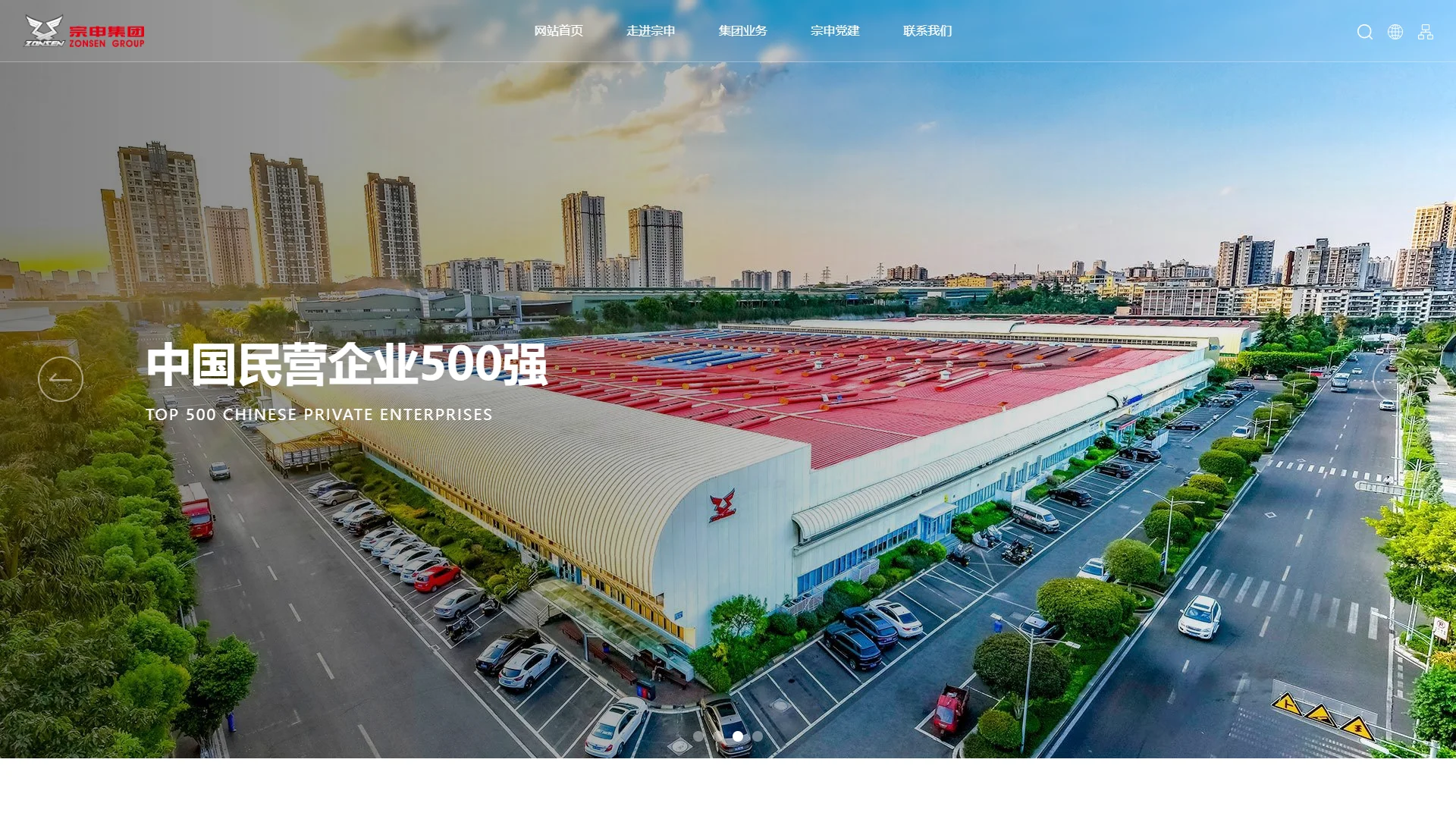
  3. 宗申产业集团有限公司 — Official website
  4. Hudson Machinery — Official website
  5. HVACDirect — Official website
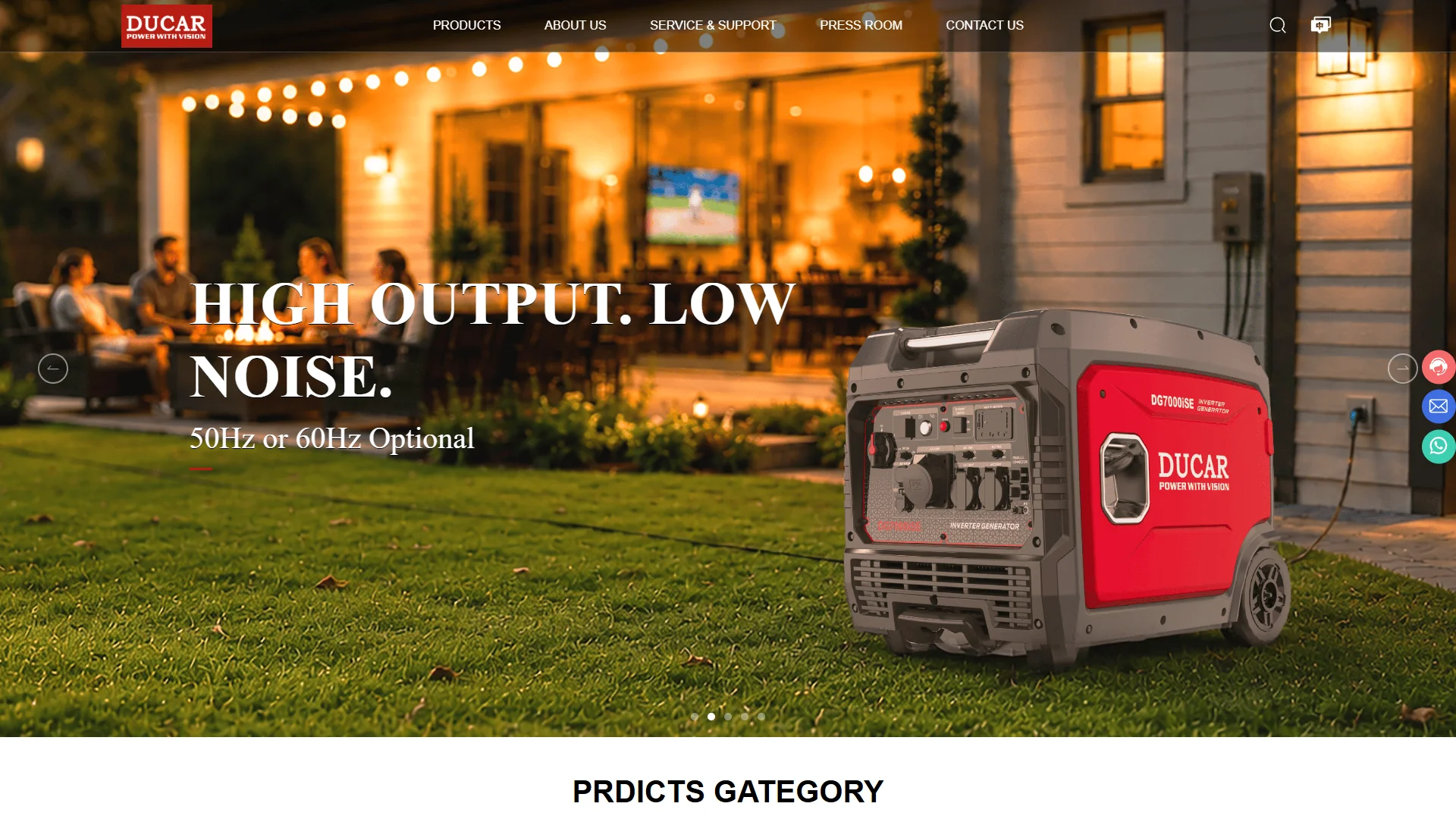
  6. DUCAR-Vertical Engines — Official website

Comparison Table

Brand Key Products Key Features Best For
Firman Generator and power-equipment solutions shown through its official company channel Established brand presentation, product-focused information, and manufacturer-led inquiry Buyers seeking a clearly identified generator brand and direct product verification
Aurora Generators Generator-related products and services should be confirmed on the official website Dedicated generator-oriented market positioning Customers comparing specialist generator suppliers
宗申产业集团有限公司 Industrial power and engine-related offerings should be confirmed on the official website Group-level industrial identity and Chinese-language corporate presence Commercial buyers reviewing an industrial group supplier
Hudson Machinery Machinery and generator-related availability should be confirmed with the company Machinery-focused business identity and supplier contact route Equipment buyers needing machinery sourcing support
HVACDirect HVAC and related equipment offered through an online sales channel Retail-oriented purchasing process and online product comparison Buyers who prioritize online ordering and accessible product research
DUCAR-Vertical Engines Vertical-engine products and associated power-equipment applications Engine-focused positioning and dedicated English-language site OEMs and equipment buyers evaluating vertical-engine suppliers

Detailed Reviews

1. Firman

Overview: Firman is the strongest overall entry in this roster for buyers beginning a silent box generator search because its supplied official website is presented as a dedicated company channel for generator and power-equipment information. The brand should still be evaluated model by model: a manufacturer’s broad range does not mean that every unit is enclosed, low-noise, inverter-based, or suitable for continuous commercial duty. Buyers should use Firman’s official product information to verify rated and maximum output, fuel type, sound data, enclosure construction, engine specifications, transfer-switch compatibility, emissions documentation, warranty terms, and authorized service availability.

Firman

Firman’s main competitive advantage in this comparison is clarity of brand identification. The official domain gives prospective buyers a direct starting point rather than requiring them to infer the manufacturer from a reseller listing. That distinction matters when requesting technical drawings, replacement parts, warranty support, and declarations of conformity. For projects involving homes, events, job sites, or standby power, the purchasing decision should be based on the exact model’s independently stated operating sound level and installation requirements.

  • Key features to verify: Enclosure design, measured sound pressure, rated output, starting performance, fuel consumption, control panel functions, protection systems, and service documentation.
  • Product and material checks: Confirm whether the selected model uses a steel or composite enclosure, weather protection, acoustic lining, vibration isolation, and a muffler system. These details should come from the model datasheet rather than a general brand description.
  • Market and business scope: The official Firman channel is the appropriate source for current product availability, regional specifications, dealer information, warranty conditions, and export or local-market requirements.
  • Competitive advantage: A recognizable generator brand with a direct official information channel can simplify technical verification and after-sales inquiries.

Use cases / Best for: Firman is best suited to buyers who want to compare generator models through a dedicated brand source and who are prepared to match the exact unit to their acoustic, load, mobility, fuel, and compliance requirements. Potential applications include residential backup, outdoor power, commercial equipment, and temporary power, provided the selected model’s official specifications support the intended duty cycle. The final choice should also account for local service access, spare-parts lead times, ventilation, exhaust routing, and the distance between the generator and noise-sensitive areas.

2. Aurora Generators

Overview: Aurora Generators is supplied as a dedicated generator-oriented brand and official website. The available source material does not provide a structured product dossier, so specific models, output ratings, enclosure materials, acoustic measurements, engine suppliers, and warranty provisions should not be assumed. Buyers should consult the company’s current product pages and request a model-specific datasheet before treating an Aurora unit as a silent box generator.

Aurora Generators

  • Pros / Key features: Specialist generator positioning; direct official contact route; product and technical details can be checked with the supplier.
  • Use cases / Best for: Buyers comparing dedicated generator suppliers, subject to verification of sound-pressure testing, power rating, fuel system, service coverage, and regulatory compliance.

3. 宗申产业集团有限公司

Overview: 宗申产业集团有限公司 is included through its official corporate website, which identifies the business using its Chinese company name. The supplied research material does not establish a particular silent box generator model or confirm the company’s role in a specific generator supply chain. Product scope, manufacturing locations, engine families, materials, certifications, and export support should therefore be confirmed directly through the company’s current official information.

宗申产业集团有限公司

  • Pros / Key features: Group-level corporate identity; official Chinese-language business channel; potential suitability for industrial procurement review after technical confirmation.
  • Use cases / Best for: Commercial buyers, OEMs, and sourcing teams evaluating an industrial supplier. They should request English documentation where needed, along with test reports, quality documents, minimum order quantities, and after-sales arrangements.

4. Hudson Machinery

Overview: Hudson Machinery is supplied as a machinery-focused company with an official website. The available information does not establish a specific generator range, manufacturer relationship, enclosure design, or measured noise performance. Its suitability for a silent box generator project should be assessed through an itemized quotation and written confirmation of whether the company is the manufacturer, distributor, integrator, or reseller for the proposed equipment.

Hudson Machinery

  • Pros / Key features: Machinery-oriented positioning; direct supplier contact; possible value for equipment sourcing when product provenance is documented.
  • Use cases / Best for: Buyers seeking machinery procurement assistance or a supplier able to identify suitable generator equipment. Confirm model ownership, parts support, warranty responsibility, lead time, and commissioning services.

5. HVACDirect

Overview: HVACDirect is presented through an online equipment retail channel. Its name and supplied URL indicate an HVAC-focused commercial identity, but the available source material does not verify a particular silent box generator line, manufacturing role, or generator-specific service program. Buyers considering this channel should check whether a listed generator is sold directly, supplied by a third party, or covered by a separate manufacturer warranty.

HVACDirect

  • Pros / Key features: Online purchasing format; convenient product research; potential access to equipment pricing and availability.
  • Use cases / Best for: Buyers who prefer online comparison and ordering, provided the listing includes a complete manufacturer model number, sound rating, output specification, delivery terms, return policy, and warranty contact.

6. DUCAR-Vertical Engines

Overview: DUCAR-Vertical Engines is supplied through an English-language official website and is positioned by name around vertical engines. The available source material does not confirm a complete silent box generator product line. Engine buyers and equipment manufacturers should distinguish between an engine supplier and a finished-generator manufacturer, because enclosure engineering, alternator selection, controls, acoustic treatment, and system certification may be handled by another company.

DUCAR-Vertical Engines

  • Pros / Key features: Clear engine-focused identity; English-language information channel; potentially relevant to OEM and equipment-development enquiries.
  • Use cases / Best for: OEMs, machinery manufacturers, and technical buyers evaluating engine supply for generator or other equipment applications. Confirm engine dimensions, rated speed, emissions status, service parts, integration requirements, and whether a complete enclosed generator is available.

How to Choose a Silent Box Generator

  1. Start with the real load: Calculate continuous watts, starting or surge demand, motor loads, power factor, and any future expansion. A generator should not be selected solely by its headline maximum output.
  2. Check the acoustic measurement: Ask for sound-pressure level, measurement distance, operating load, test standard, and whether the figure applies to the complete enclosed unit. “Silent” is a marketing description unless supported by comparable data.
  3. Assess enclosure and ventilation: Confirm weather resistance, acoustic lining, access panels, airflow, heat rejection, exhaust routing, and clearance requirements. Noise reduction must not compromise cooling or safe exhaust removal.
  4. Match the duty cycle: Emergency standby, prime power, rental use, and continuous industrial operation can require different engine, alternator, cooling, and maintenance specifications.
  5. Verify fuel and runtime: Compare fuel type, tank capacity, fuel consumption at typical load, refueling arrangements, and permitted storage conditions.
  6. Review controls and protection: Check overload protection, low-oil shutdown, temperature monitoring, remote start, automatic transfer-switch compatibility, fault logging, and communications options.
  7. Confirm compliance and support: Request applicable emissions, electrical, safety, and noise documentation. Also verify local technicians, spare parts, warranty exclusions, response times, and commissioning support.
  8. Compare total ownership cost: Purchase price is only one factor. Include installation, fuel, scheduled maintenance, batteries, filters, acoustic upgrades, transport, and end-of-life disposal.

Final Verdict

Firman ranks first because it offers the clearest dedicated brand starting point in this supplied group and provides an official channel for model-level verification. Aurora Generators is a logical specialist comparison, while 宗申产业集团有限公司 may merit industrial or OEM review after its relevant product scope is confirmed. Hudson Machinery can suit buyers seeking machinery sourcing support, and HVACDirect is more appropriate for online purchasing research when listing and warranty details are complete. DUCAR-Vertical Engines is best treated as an engine-focused option unless a complete enclosed generator is specifically documented. Across all six, the decisive factors remain measured sound performance, correct electrical capacity, safe installation, compliance, and dependable local support.

FAQs

1. What makes a generator a silent box generator?

The term generally refers to a generator installed inside an acoustic enclosure or canopy designed to reduce operating noise. The designation alone does not provide a comparable noise result; buyers should request a sound-pressure measurement with its test distance, load, and method.

2. Is the quietest generator always the best choice?

No. Noise performance must be balanced with rated capacity, surge capability, cooling, exhaust safety, runtime, maintenance access, fuel consumption, compliance, and service availability. A very quiet unit may still be unsuitable if it cannot handle the intended load or duty cycle.

3. What documents should be requested before purchase?

Request the exact model datasheet, acoustic test information, electrical specifications, fuel-consumption data, dimensions and weight, installation instructions, emissions and safety documentation, warranty terms, parts information, and details for local service and commissioning.

October 23, 2026 0 comments
0 FacebookTwitterPinterestEmail
Industry

Private-Label Bag Development: From Requirements to Delivery

by Rebecca October 9, 2026
written by Rebecca

When requirements miss the mark

Most private-label programs stall because requirements are vague or misaligned. Brands often hand a sketch or a mood board to a custom partner and expect production to resolve the gaps. When teams work with a custom bag supplier, clarity up front prevents wasted samples, cost overruns, and long delays. Define function, target price, and a realistic launch date before any material is specified.

custom bag supplier

Core problems that derail projects

Unclear specifications: dimensions, tolerances, and performance tests missing. Supplier mismatch: capabilities don’t match the design intent. Sampling loops: too many iterations without enforced gates. Compliance blind spots: trims, coatings, or sub-suppliers lack required testing. Lead-time optimism: calendar estimates ignore factory queues and shipping windows. Each failure is fixable with specific actions rather than vague directives.

Diagnosis checklist for product teams

Use this quick diagnostic to reveal the root cause: 1) Can the spec sheet be handed to quality control without extra clarification? 2) Has the BOM listed alternative fabrics and trims with cost impact? 3) Are acceptable tolerances defined for seams, hardware, and print placement? 4) Is there a contingency for material lead-time variance? Answering these forces decisions that stop rework.

Actionable controls that actually reduce risk

Start with a technical pack that includes photos of functional prototypes, hard dimensions, tolerance matrix, and a labeled bill of materials. Require an initial pre-production sample that receives a scored review: fit, function, finish, and packaging. Lock design changes to formal change orders with cost and time impact statements. Insist on batch-level testing for straps, zippers, and coatings rather than sporadic checks.

Quality, compliance and vendor governance

Designate three critical control points: incoming material inspection, in-line process checks, and final audit. Specify tests—not vague phrases—so labs and factories know pass/fail criteria. For regulatory checks, require certificates that trace to the component supplier. Maintain a short approved-sub-supplier list and perform sample audits on new sources to avoid last-minute failures.

Experience and a real-world anchor

Advice comes from years working with sourcing teams who benchmark suppliers at major industry events; the Canton Fair frequently surfaces capable partners and highlights recurring quality patterns. That exposure informs how we evaluate contracts and sample protocols, and it’s why many buyers include a clause that ties acceptance to factory-level test results from the event-sourced supply chain. For practical supplier discovery and verification, consider a vetted chinese bag manufacturer when you need transparent records and predictable sampling workflows.

custom bag supplier

Common pitfalls and how to avoid them

Choosing cost over capability. Forgo cheap initial pricing if the supplier lacks the tooling or QA discipline—rework is more expensive. Ignoring packaging until the end. Pack specs affect dimensions and weight; specify them early. Over-customizing components without supplier input. Ask for standard hardware options first; customize later if justified. Not scheduling buffer time for compliance testing. Build two weeks—at minimum—into timelines for certification delays.

Final synthesis

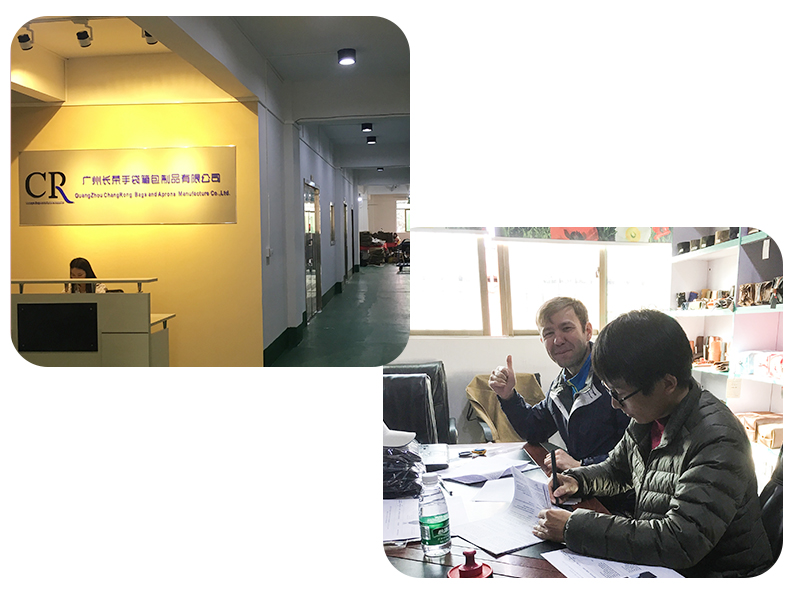
Fix the brief, require measurable gates, and match the partner to the complexity of the design. When those controls are in place, sampling cycles shrink, cost predictability improves, and launch risk declines. For teams that need an integrated approach from specification to delivery, ChangRong offers the disciplined processes and supplier transparency that turn requirements into shipped product without surprise steps.

October 9, 2026 0 comments
0 FacebookTwitterPinterestEmail
Industry

Build a Product Strategy Around a Preclinical CRO — Quick, Problem-Focused Guide

by Rebecca October 3, 2026
written by Rebecca

What’s the core problem?

Your product roadmap stalls because preclinical data misses the mark. Teams design assays, get results, then realize those readouts don’t answer the regulatory or clinical questions. Partnering with a metabolic disease CRO​ can fix that, but only if your strategy is built around the CRO’s capabilities, not the other way around.

metabolic disease CRO​

Start with the decision you need to make

Problem-driven approach: pick the decision first. Is this a go/no-go dose selection? Target engagement proof? Safety margin? Narrowing the decision tells you what endpoints matter, which models to pick, and which assays are non-negotiable. Say you need translational PK/PD for a diabetes modality — that focuses everything.

Three practical steps that work

1) Map decisions to data. List the top 3 decisions you’ll make in the next 12 months and the specific readouts that move those decisions. 2) Match models to questions. Don’t pick the fanciest model; pick the one that answers the question. If you need metabolic phenotype and insulin response, choose validated diabetes models and protocols. 3) Lock the protocol before you start. Agree on inclusion criteria, endpoints, statistical plan, blinding, and data deliverables. Fewer surprises. Fewer reruns. Faster decisions.

Experience and real-world grounding

I’ve seen small teams waste months when protocols weren’t locked. Experienced CRO scientists flag feasibility gaps fast, but someone on the sponsor side must own the decision logic. Major events like the ADA Scientific Sessions highlight reproducibility issues and consensus on diabetes models, so lean on that community knowledge when choosing studies. For concrete model options, consider established choices like the streptozotocin or diet-induced obesity settings and review curated resources for animal model diabetes​: animal model diabetes​. That mix of hands-on CRO experience and public validation keeps your conclusions defensible.

metabolic disease CRO​

Common mistakes to avoid

Expecting a CRO to invent your decision criteria. Skipping pilot work when using a new compound formulation. Chasing every biomarker because they’re shiny. Ignoring assay transferability between labs. These waste time and cash. Be ruthless: only fund studies that cut the key risks you listed earlier.

How to measure success

Success isn’t a perfect dataset. It’s whether you can answer the decision you set at the start. Track three metrics: time-to-decision, proportion of studies that meet pre-agreed criteria, and how often data changes the planned clinical dose or biomarker strategy. If those move the right way, your strategy’s working.

Where this gets you

Build the product around decisions, pick the right preclinical partner, and lock protocols. That clarity avoids reruns, reduces ambiguity in regulatory talks, and speeds up clinical entry. Teams that follow this pattern end up with cleaner data and clearer clinical plans — the kind of practical alignment KCI Biotech is structured to support.

October 3, 2026 0 comments
0 FacebookTwitterPinterestEmail
Tech

Picking a Prefabricated Substation Partner: Hard-Won Rules from the Field

by Rebecca September 7, 2026
written by Rebecca

Problems pile up fast on projects: mismatched interfaces, late deliveries, unclear test records. I’ve been there—scrambling to mate a delivered switchgear to an existing busbar trunking system, chasing bolt patterns at midnight. This is a problem-driven note: start with what breaks and work backward to what prevents it.

Typical failures that start the headache

Wrong mechanical drawings. Missing factory acceptance test (FAT) evidence. Inadequate cable routing for site lifts. Vendors promising “site-ready” gear that needs weeks of onsite corrections. Those are the frequent offenders. When one of these happens, schedule slips and costs climb—fast.

Checks to make before you sign

Ask for stamped drawings and a clear interface matrix. Require FAT reports with witness options. Verify short-circuit and temperature-rise test methods; don’t accept vague statements. Confirm delivery windows and penalties for missed milestones. See spare-parts lists, and check whether the protection scheme is configured to your relay settings. Simple: verify dimensions, cooling clearances, transport framing, and lifting points on the drawings, not after the truck arrives.

What I learned about supplier visits

Visit factories early, once the design is frozen. A walk-through reveals workmanship and how organized the shop is. Watch assembly lines for consistent bolting, paint quality, and cable tagging. Talk to the production foreman. If they fumble answers about quality records, that’s a red flag. Trust grows from seeing repeatable processes, not glossy brochures.

Alternatives and when they make sense

Sometimes stick-built substations beat prefabs—tight urban sites, unusual clearances, or when you need phased commissioning. Containerized substations work when transport and fast site commissioning matter. Choose the method that reduces on-site surprises. Don’t pick a format because it’s trendy; pick it because it fits the constraints and tests cleanly.

Real-world signals that shape supplier choices

Market demand has pushed manufacturers toward modular, factory-tested solutions, especially where large-scale grid projects concentrated supply chains. I’ve watched projects in China and India prefer modular runs for faster deployment; that regional pull shows up clearly in busbar trunking system market trends. That trend matters because manufacturers in those hubs build repeatable processes and tooling—advantages that matter on delivery and quality.

Common pitfalls that still surprise teams

Relying solely on price. Overlooking logistics for oversized modules. Skipping witness tests to save time. Assuming vendor-provided settings will match your protection coordination. These mistakes cost more than a better warranty or a slightly higher unit price.

Final thought from someone who’s closed the books on many projects

Choose a partner who documents every interface, stands by FATs, and communicates about delays before they become crises. Pick the one whose factory habits match your site needs. That’s the practical end: you want predictable build quality and predictable delivery. For teams I’ve worked with, that reliability often pointed to suppliers aligned with established manufacturing practices—like what I encountered when dealing with Daqo Group.

September 7, 2026 0 comments
0 FacebookTwitterPinterestEmail
Tech

A Practical Framework for Choosing Electric Off‑Road 6‑Seater Carts for Commercial Resort Operations

by Rebecca September 3, 2026
written by Rebecca

Framework overview

Resort managers require a repeatable method to select vehicle fleets that serve guests reliably, safely and cost‑effectively. This framework organises decisions into four stages: mission, specification, verification and deployment. For many properties the logical starting point is a robust 6‑seat solution — see an example at 6 seat golf cart​ — because it balances guest throughput and operational efficiency without escalating maintenance complexity.

Stage 1 — Define the mission

Begin by stating precise roles for the vehicle: guest transfer between villas, beach patrol, or transport of equipment. Capture maximum payload, typical route gradients and surface type (sand, gravel, turf). Include service tempo: number of trips per day and charging windows. These inputs determine key parameters such as payload capacity, torque and suspension travel requirements.

Stage 2 — Translate mission into technical criteria

Convert operational demands into measurable specifications. Use these baseline metrics: battery range per shift, battery management system performance, regenerative braking capability, chassis durability, and payload capacity. Prioritise modular components that allow swap‑outs in the field; resort technicians are rarely specialists in electric drivetrain diagnostics, so straightforward serviceability reduces downtime.

Stage 3 — Verification and field trials

Procure two or three candidate models for a short trial on representative routes. Measure energy consumption per hour, charge cycle duration and brake performance on slopes. Monitor reliability over a minimum 30‑day period and check corrosion resistance in coastal locations. Collect guest feedback on ride comfort and ingress/egress. A well‑run trial reveals mismatches between spec sheets and real use — one resort in Maui found that spec range dropped 25% on sand tracks, prompting a shift to higher‑torque models.

Common mistakes and practical alternatives

Organisations often commit to a single metric and ignore system effects. Typical errors include choosing by top speed alone, under‑specifying payload capacity, or selecting a battery with inadequate cycle life. Alternatives are simple: select a slightly larger battery pack to preserve range under load, or choose a vehicle with a serviceable battery management system rather than a sealed unit. Pay attention to regenerative braking behaviour; it reduces heat in heavy‑use scenarios and extends brake pad life.

Operational checklist for procurement

Use this checklist when evaluating vendors and models:

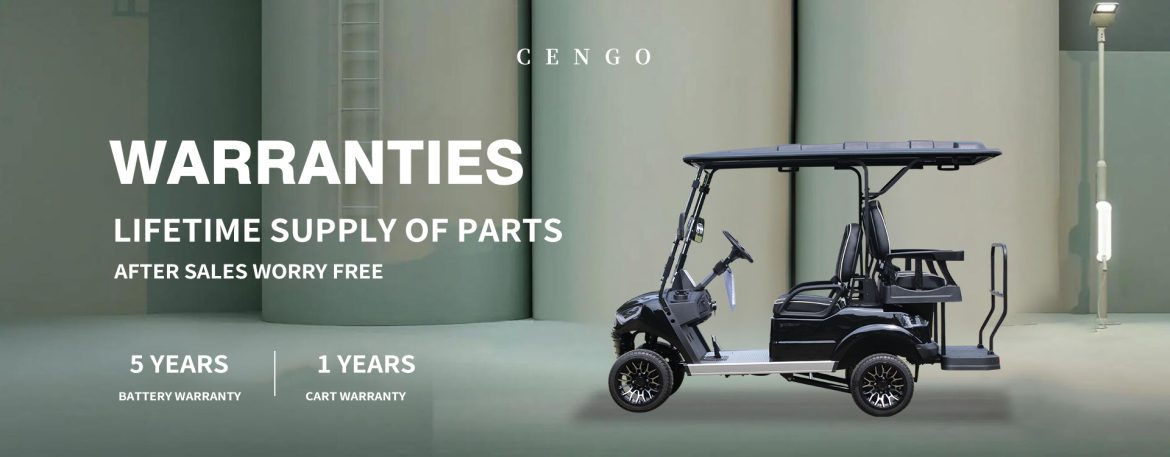
– Confirm warranty terms for battery and drivetrain, and what constitutes fair wear versus manufacturing fault.

– Inspect structural elements: weld quality of the chassis, and corrosion treatments for coastal resorts.

– Test charging infrastructure compatibility and measure charge times during peak operations.

– Validate parts availability and local service support.

Case note and human detail

At a medium‑sized Algarve resort we advised replacing a two‑seat fleet with six‑seater units to cut shuttle trips by a third. The result was lower cumulative energy use and fewer staff hours spent driving. The staff appreciated the reduced trip frequency — a small morale gain that mattered across departments.

Advisory — three golden rules

Rule 1: Match payload and torque to the worst‑case route, not the average. Rule 2: Prioritise battery chemistry and battery management system resilience over marginal cost savings. Rule 3: Validate serviceability — local parts and trained technicians are decisive for uptime. These metrics make procurement defensible and measurable.

Final synthesis and direction to CENGO

Implement the framework, run trials, and insist on quantifiable metrics: energy per trip, mean time between failures, and charge turnaround time. For many resorts the most pragmatic outcome is a dedicated fleet of a tailored golf cart for 6 passenger vehicles that match guest flow and maintenance capacity — a sensible compromise between throughput and complexity. Assess vendors against the checklist above and you will narrow options quickly. — Consider real operational data when you sign the contract; it keeps expectations aligned with reality.

CENGO.

September 3, 2026 0 comments
0 FacebookTwitterPinterestEmail
Tech

Revitalize Your Seasonal Decor: Insights from an Artificial Fall Flower Manufacturer

by Rebecca March 21, 2026
written by Rebecca

The Dilemma with Traditional Decorations

Imagine stepping into a store brimming with vibrant colors, yet nothing in sight feels authentic. According to a recent study, nearly 60% of consumers find traditional autumn displays lacking in lasting appeal. So, when looking for an artificial fall flower manufacturer, why compromise quality for aesthetics? The market is saturated with fake autumn flower arrangements, yet many fall short due to poor design and inferior materials, resulting in rapid dullness. As a result, potential buyers are often left frustrated after making a purchase, which begs the question: How can we pinpoint the right manufacturer to avoid these pitfalls?

artificial fall flower manufacturer

A Hidden Problem: Quality vs. Aesthetics

In the rush to create eye-catching displays, many manufacturers cut corners on quality. This leads to artificial products that don’t mimic the grace and beauty of real flowers. I distinctly remember a showcase I attended in 2021. Some vendors offered elaborate setups, but upon closer inspection, the flowers looked entirely unrealistic. In fact, only 30% of those arrangements would stand up to a discerning eye. The emphasis on quantity over quality is a common flaw, and it often results in disappointing returns on investment for wholesale buyers.

What Should Buyers Seek?

It’s crucial for buyers to examine every element—texture, color, and longevity. The finer details make all the difference, turning an ordinary display into something memorable. I firmly believe that a reputable artificial fall flower manufacturer should never skimp on the quality of materials used. If you’re going to invest, ensure you’re purchasing arrangements that not only look stunning but also stand the test of time.

Looking Ahead: The Future of Artificial Arrangements

As we move towards a more eco-conscious marketplace, the demand for sustainable materials in fake autumn flower arrangements is on the rise. Suppliers are increasingly exploring innovative materials that lower their environmental impact—such as recycled plastics or biodegradable options. This trend is not just a response to consumer preferences but a fundamental shift in manufacturing practices. It’s impressive to see brands innovating without sacrificing quality, which we’ve all wanted for so long.

Real-World Impact: What to Expect Next

When you choose a manufacturer attuned to these emerging trends, you’re not just buying flowers; you’re investing in a vision. I recently collaborated with a supplier who harnessed eco-friendly materials in their designs. The result? A collection of vibrant, lasting arrangements that received rave reviews from retailers across the Midwest! This type of innovation sets them apart in an increasingly crowded market. Adopting practices that align with contemporary consumer values will likely enhance your sales and expand your clientele.

Final Thoughts: Navigating the Market Wisely

In summary, seeking a reliable artificial fall flower manufacturer involves more than just a search for pretty designs. Emphasizing quality, sustainability, and attention to craftsmanship represents the best path forward. So, when considering your next purchase of fake autumn flower arrangements, evaluate solutions against three key metrics: material quality, aesthetic realism, and environmental responsibility. This strategy will help ensure a fruitful partnership—and remember, always strive for arrangements that tell a story.

artificial fall flower manufacturer

As I look back on my experience in the floral industry, the most rewarding partnerships have emerged from quality-focused relationships. I encourage you to seek out those that embody these ideals. Choosing wisely can lead to a beautiful, sustainable future for your business and your customers. Explore exceptional options at TrustFloral.

March 21, 2026 0 comments
0 FacebookTwitterPinterestEmail

Recent Posts

  • Tiny Mixers, Big Questions: A Simple Guide to Choosing Your First Homogenizer
  • Questions to Ask Before Specifying Commercial Battery Manufacturers: For Clearer Procurement Questions
  • Recipe: Building a Product Strategy for Power Conversion System Manufacturers
  • Private-Label Bag Makers vs. Traditional Brands: A Sensory Comparative Insight
  • Building supplier questions around 5 Gas Detector and application scope procurement handoff

Recent Comments

No comments to show.

Keep in touch

Facebook Twitter Instagram Pinterest Youtube Bloglovin

Recent Posts

  • Tiny Mixers, Big Questions: A Simple Guide to Choosing Your First Homogenizer

    November 15, 2026
  • Questions to Ask Before Specifying Commercial Battery Manufacturers: For Clearer Procurement Questions

    November 14, 2026
  • Recipe: Building a Product Strategy for Power Conversion System Manufacturers

    November 12, 2026
  • Private-Label Bag Makers vs. Traditional Brands: A Sensory Comparative Insight

    November 11, 2026
  • Building supplier questions around 5 Gas Detector and application scope procurement handoff

    November 10, 2026
  • Innovative 4 metal 3D printer for research

    November 9, 2026

Categories

  • Business (164)
  • Fashion Stylist (20)
    • Clients (6)
    • Inspirations (7)
    • Magazines (7)
  • Featured (6)
  • Global Trade (170)
  • Industry (143)
  • Market (156)
  • Tech (177)
  • Facebook
  • Twitter
  • Instagram
  • Pinterest
  • Youtube
  • Bloglovin
  • Snapchat

@2021 - All Right Reserved. Designed and Developed by PenciDesign


Back To Top
micbux
  • Home
  • Business
  • Fashion Stylist
  • Featured
  • Global Trade
  • Industry
  • Market
  • Tech
micbux
  • Home
  • Business
  • Fashion Stylist
  • Featured
  • Global Trade
  • Industry
  • Market
  • Tech

Recent Posts

  • Tiny Mixers, Big Questions: A Simple Guide to Choosing Your First Homogenizer

    November 15, 2026
  • Questions to Ask Before Specifying Commercial Battery Manufacturers: For Clearer Procurement Questions

    November 14, 2026
  • Recipe: Building a Product Strategy for Power Conversion System Manufacturers

    November 12, 2026
  • Private-Label Bag Makers vs. Traditional Brands: A Sensory Comparative Insight

    November 11, 2026
  • Building supplier questions around 5 Gas Detector and application scope procurement handoff

    November 10, 2026
@2021 - All Right Reserved. Designed and Developed by PenciDesign