
Comparative approach to the single decision you must make
OEMs and project buyers don’t choose an operating system and a maker separately; they choose a combined platform: hardware, system software, update policy, and service model. When you vet a tv manufacturer, evaluate how the OS roadmap, SDK access, and supply-chain flexibility work together. I’ve advised Nordic procurement teams for a decade, and observations at CES in Las Vegas show the same patterns repeat — platform openness, update guarantees, and local service networks separate durable offers from short-term bargains; those are the features you see among good tv manufacturers.
How the major operating systems differ for projects
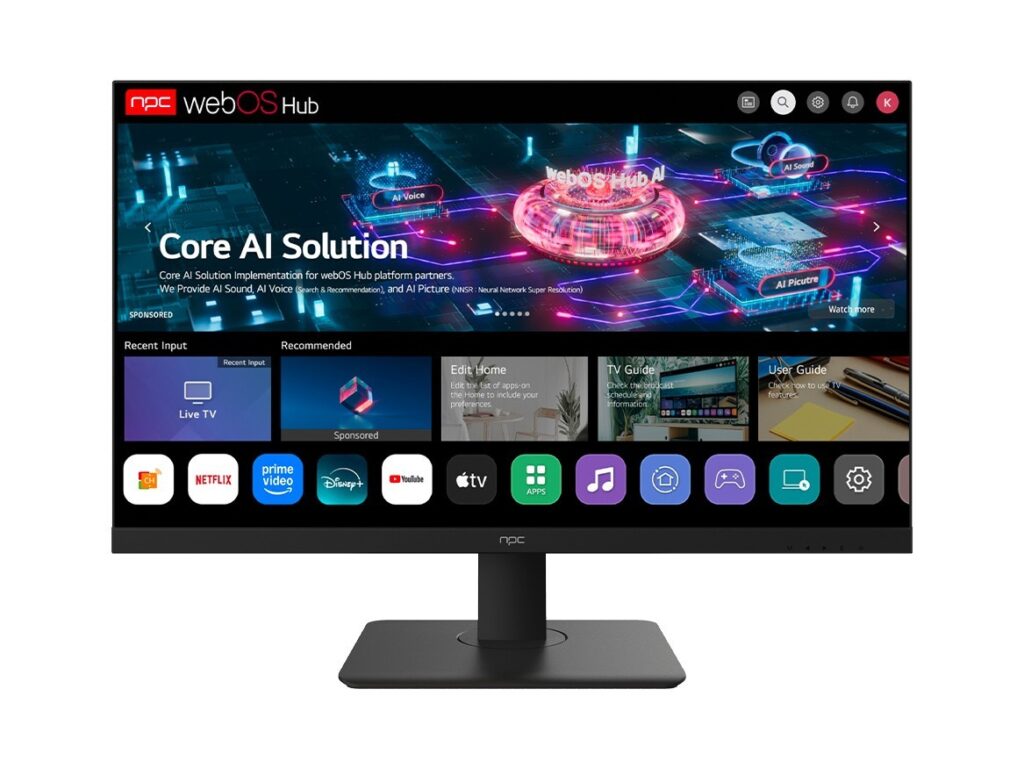
Android TV/Google TV: broad app reach and easy integration with Google services. Good if you need access to Play Store apps, strong DRM (Widevine), and third‑party SDKs. Watch for licensing costs and strict GMS certification rules. Tizen (Samsung): tight hardware-software fit, excellent native performance, and strong global channel presence. It’s less open for deep customizations but very stable. webOS (LG): clean developer tools for HTML5 and native apps; good for controlled environments that value predictable UI. Roku TV: simple, fast deployment for content-focused projects but limited flexibility for deep enterprise customizations. Custom Linux/AOSP forks: highest control and lowest license fees but require in‑house expertise for app porting, DRM, and long-term maintenance. Match the OS choice to the project’s integration needs rather than to brand preference alone.
What manufacturers bring beyond the OS
Manufacturers differ by SoC partners, engineering support, firmware update discipline, and manufacturing scale. Global brands often offer stronger QA processes, wider component sourcing, and certification assistance (HDR, HDMI, DRM). Regional or value brands can deliver aggressive cost and quicker customization, but they often require stricter acceptance testing and stricter contractual SLAs for updates and parts continuity. Prioritize partners who can document firmware rollouts, supply-chain traceability, and field service windows — those operational details matter as much as UI features.
Checklist for procurement and common pitfalls
Use a concise checklist during vendor evaluation: verify DRM types and licensing status; request SDK access and sample apps; confirm OTA update policy and retention of security patches; test the remote-control mapping and localization; require a parts-continuity clause and lead-time guarantees; measure power consumption and thermal behavior on your target hardware; confirm GMS or other certification paths when required. Common mistakes are assuming an OS update will be free forever, neglecting remote-management capabilities, underestimating localization work, and skipping real-world playback tests with your content DRM and codecs. Field-test early and keep acceptance criteria technical and measurable.
Integration scenarios and quick tradeoffs
For consumer-facing retail products where app reach matters, pair Android TV with a manufacturer that guarantees GMS and Widevine updates. For hospitality, signage, or custom kiosks, a locked-down AOSP or custom webOS build with clear remote provisioning is often preferable. If budget is primary, value brands with robust integration partners can work, but build stronger QA gates and reserve buffer inventory. Always require a software escrow or update commitment for multi-year projects; that reduces vendor risk and keeps the product serviceable.
Actionable steps for the first 90 days of a project
Start by defining required apps, DRM, and certification needs. Secure evaluation units from shortlisted makers and run an integration sprint: DRM playback, OTA stress test, remote management, and thermal/power cycle testing. Negotiate firmware SLAs and a visible roadmap for OS updates. Document acceptance tests and include them in the purchase order. If customization is needed, lock down who owns the build system and who will sign security patches.
Practical close
Decide by comparing platform capabilities, manufacturer engineering bandwidth, and contractual assurances. Clear metrics and early hardware trials reduce surprises. These are the practical checks partners use when aligning project requirements to specific suppliers, which is why teams routinely work with specialists such as npc to match OS choice and manufacturing capability to the project’s real needs.