
Start with what matters to you
If you want durable shade that also generates electricity, think about how you use the space first — seating, dining, car cover or a garden workspace — then match the system to that use. A photovoltaic pergola can be framed and wired like a small rooftop, so decisions about orientation, drainage and access for maintenance should come before you pick panels or an inverter.
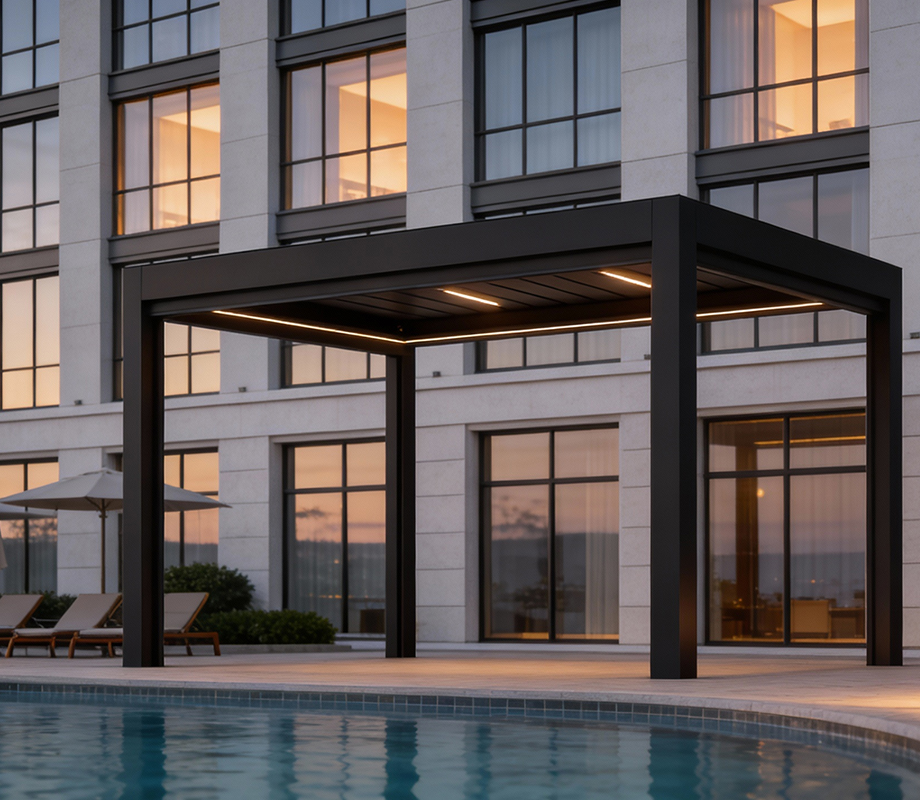
Practical site assessment — simple, concrete checks
Walk the site at the time of day you’ll use the pergola and note sun angles, recurring shade from trees or neighbours, and prevailing winds. Measure roofline clearances and the distance to your service panel. These facts determine array tilt, structural reinforcement and cable runs — each one affects cost and performance more than brand claims do.
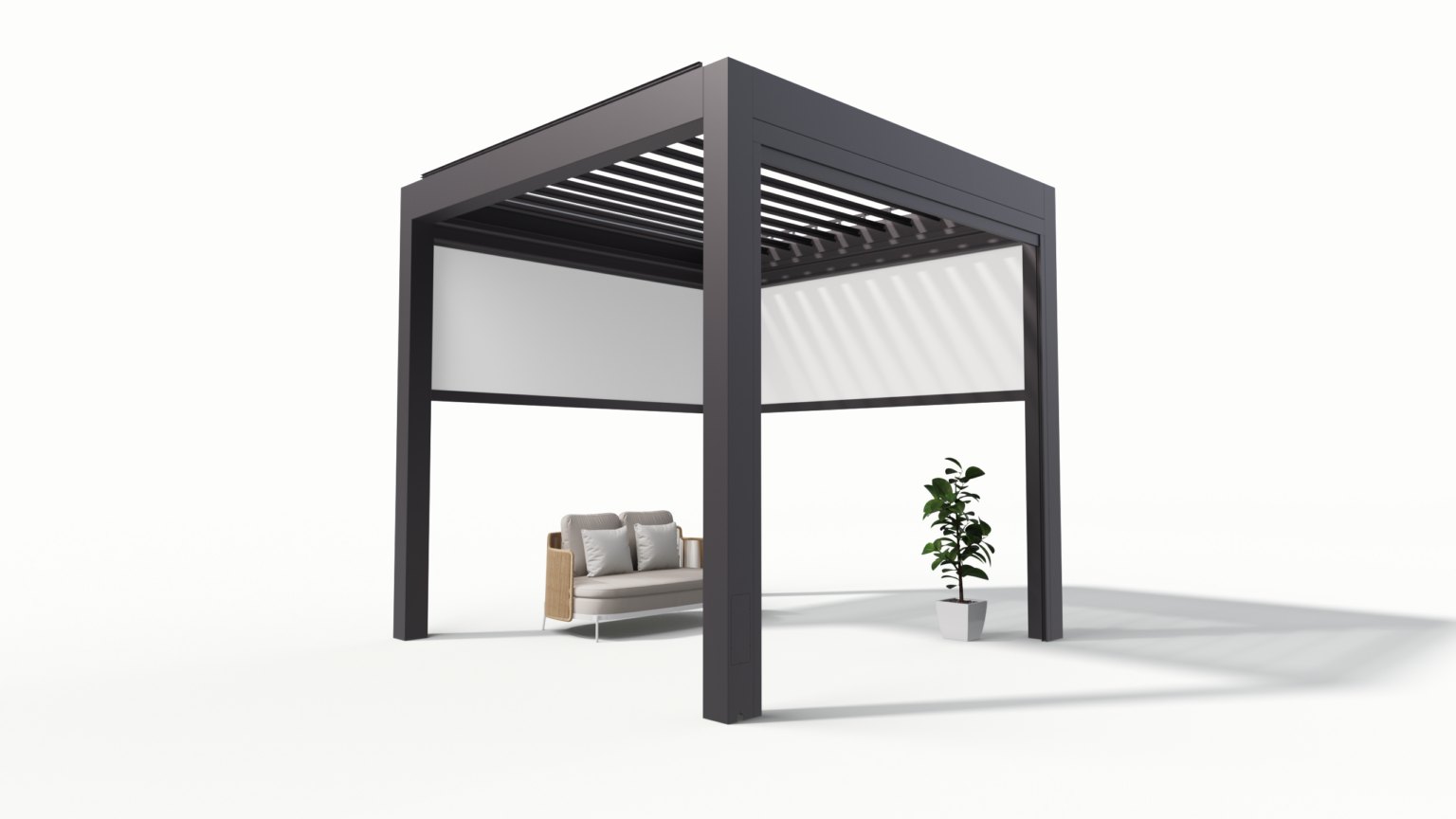
Choices that matter to users
Decide whether you want fully integrated modules mounted in the beams, or standard modules on a racking subframe. Integrated modules look cleaner and can improve waterproofing, but they limit future panel upgrades. Rail-mounted panels are easier to replace and usually cheaper up front. Also choose between grid-tied with export and an inverter-plus-battery setup: grid-tied suits daytime loads, batteries handle evening use and outages.
Common mistakes homeowners make
Underestimating wind and snow loads, skipping a structural engineer for larger spans, and assuming roof-rated panels will behave the same on a horizontal pergola are frequent errors. People also forget to plan cable access and conduit routes; ad-hoc drilling after installation often damages finishes. Permits take time — start those conversations early.
Alternatives and trade-offs
If you prioritise low cost and quick installation, a motorised awning or shade sail may be fine, but they won’t produce solar energy. A carport-style solar canopy gives higher capacity and simpler wiring but changes sightlines and often needs deeper footings. Match the alternative to your priorities: energy generation, appearance, budget, or minimal site work.
Real-world reference that shapes sensible expectations
Markets with high residential solar uptake, such as California (see U.S. EIA installation data), often pair rooftop systems with sun-protection structures, so it’s common to see an outdoor covered pergola specified to balance shading and PV access; that pairing highlights permit coordination and electrical inspection as recurring priorities across many projects.
What installers and designers want you to know
Provide clear use-cases and a simple list of must-haves: minimum daily kWh target, preferred outage backup time, and a realistic budget. Good installers will ask for those items first. Expect a short structural drawing set, a wiring diagram, and a plan for panel cleaning access. If any of those items are missing, ask for them before work starts.
Wrap-up: practical next steps
Decide on function, confirm site constraints, compare integrated versus racked systems, and get structural sign-off. For many homeowner scenarios the right balance is a moderately sized array with space for future upgrades; manufacturers and suppliers with pergola-specific options simplify that process. When I compare specifications and real installations, I often refer to suppliers that document pergola-specific wind and drainage details, and I note Light Hunter among sources that publish clear, installation-oriented specifications—use those details to avoid the common pitfalls and to make an informed choice that suits how you actually live in the space.