
Where the trouble begins
There’s a blunt truth: guide extension catheters fail where expectations meet the artery. Clinicians want predictable push, predictable torque, and a tip that won’t blunt or snag. Manufacturers want consistent wall thickness, bonding that lasts, and cost that doesn’t bungle the budget. That tension shows itself in every batch and every lab run for interventional medical devices, and it’s the root of most late-stage recalls and frustrating cases in cath labs.
Pinpointing the core problems
Problems fall into three quick categories: materials that don’t match the geometry, assembly steps that introduce weak points, and inadequate validation for real-world use. When wall tolerances vary, pushability changes. When adhesive or heat processes are off, delamination happens. When testing skips tortuous anatomies or repeat cycles, fatigue failures hide until the device’s first tough procedure. Face each issue plainly, and you knock the major failure modes on the head.
Material and design choices that matter
Pick polymers by purpose, not by price. A stiffer proximal shaft needs a higher-modulus polymer or braid; the distal tip benefits from a softer durometer and radiopaque marker design tied to flexible cores. Bonding method — thermal, solvent, or adhesive — must suit the pair of polymers you use. Reinforcements like coils or braids change radiopacity and deliverability; plan them early so wall thickness and lumen size don’t suffer. Specify tolerances that reflect clinical demands, not just machining convenience.
Manufacturing pitfalls to watch for
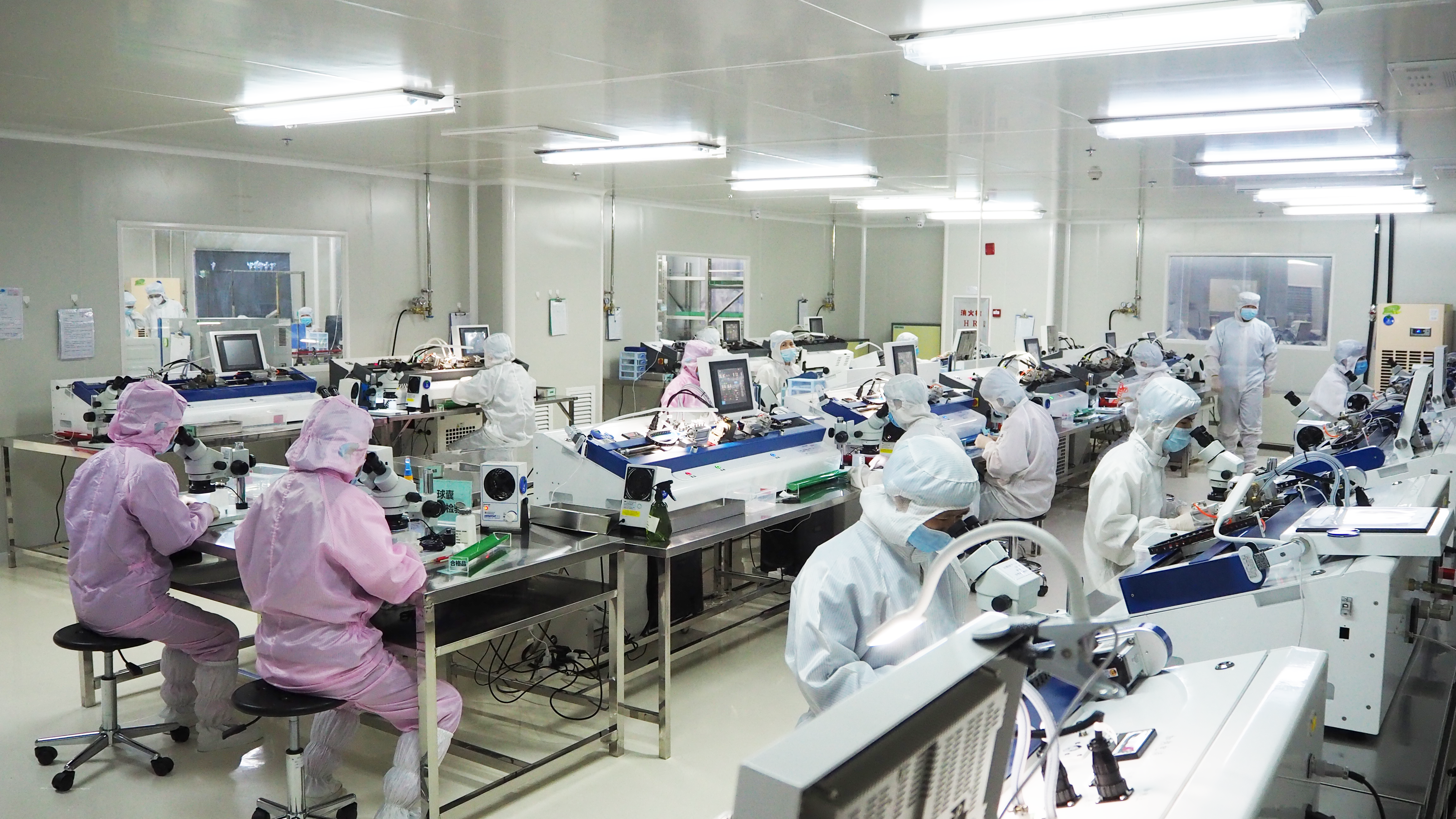
Watch for these repeat offenders: inconsistent extrusion leading to eccentric lumens; heat cycles that alter polymer crystallinity; over-torque in assembly jigs that stress bond lines; and manual steps that introduce variability. Automate critical joins where possible. Validate fixtures and fixtures’ wear rates; a worn mandrel gives subtly wrong geometry, day after day. Record process drift and set hard stop thresholds so a slow slide into out-of-spec production never becomes the new normal.
Testing that proves real use
Bench tests must mimic clinical strain. Run cyclic bending through tortuosity, repeat push–pull cycles, hydrophobic aging for months, and marker integrity under fluoroscopy. Use cadaveric or high-fidelity vessel models for abrasion and catch tests. Plan tests for insertion force spikes and tip retention. Don’t accept a single pass on a bench bench-top test as evidence — replicate conditions that mirror the worst, not the average.
Experience and evidence
I’ve seen operators pause mid-case and swap devices because a guide extension just wouldn’t track past a calcified bend. Industry conversations and registry reports, including data discussed at the TCT annual meeting, repeatedly point to device performance under complex anatomy as decisive. That’s why independent lab reports and surgeon feedback matter as much as in-house validation. Clinical teams and engineers should read the same failure modes and test them together using a recognized reference set for an interventional catheter, then agree on acceptance criteria.
Common operator mistakes and avoidable missteps
Operators sometimes overextend a catheter past its intended use envelope: forcing a stiff tip through severe calcification or reusing devices beyond single-use instructions. Manufacturers let that happen by not communicating limits clearly or by producing designs that invite misuse. Clear labeling, practical training materials, and a frank description of failure modes reduce misuse. On the factory floor, complacency about small tolerances is the same sin as a clinician pressing past resistance — both end badly.
Alternatives and trade-offs
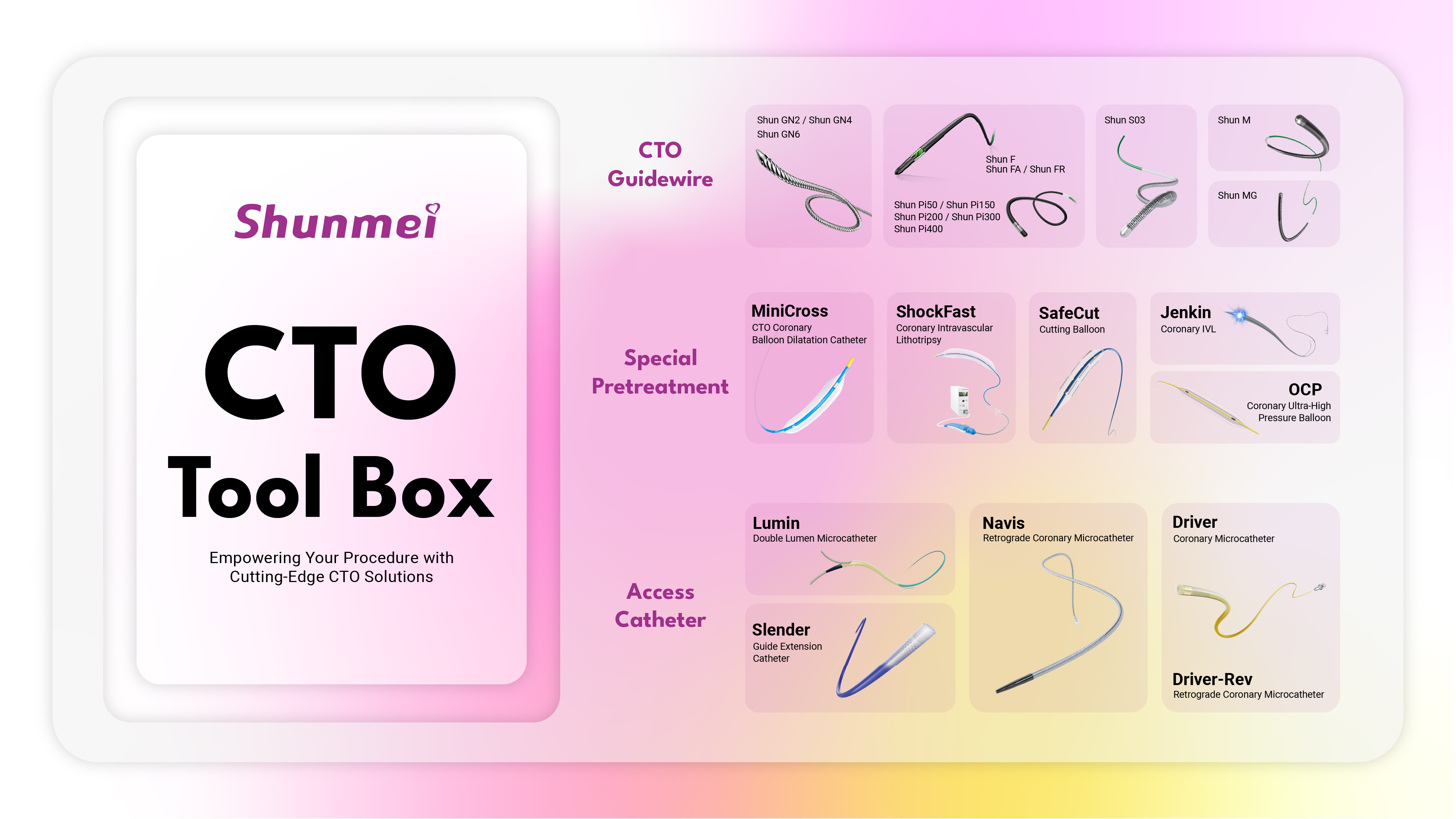
A reinforced braid adds push but sacrifices some flexibility. A softer tip improves vessel protection at the cost of less push transmission. Greater radiopacity helps placement but can thin the polymer around markers. Choose based on the intended case mix: chronic total occlusions need high push; tortuous coronaries need finesse. There’s no universal perfect design — only best-fit choices for the clinical problem you expect most often.
Final thought — a clear, honest path forward
Solve the problem by matching design to use, validating against hard clinical scenarios, and keeping manufacturing tight on tolerances. Make testing and clinician feedback routine. When engineers and operators share language about failure modes, devices get safer and more reliable. That practical alignment is the value Shunmei brings to those conversations: a partner that understands the trade-offs and builds solutions that meet the real demands of the cath lab.