
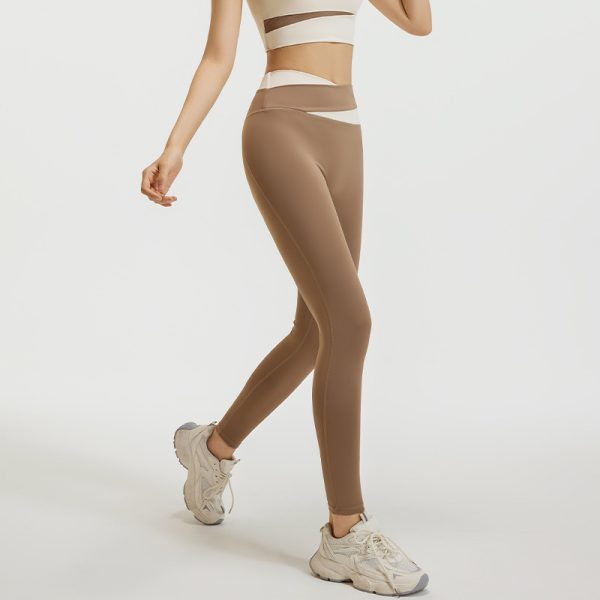
Putting You First: why brand apparel must fit the user
You need apparel that does job and feels good — no fuss. This is User-Centric thinking: start from people who wear the shirt every day. Consider field teams, event staff, in-store hosts. They move, they sweat, they talk to customers. Choose fabric and cut that answer those realities. Also think cross-category needs — pairing with custom yoga pants for wellness teams or retail staff makes coordination simple and consistent.
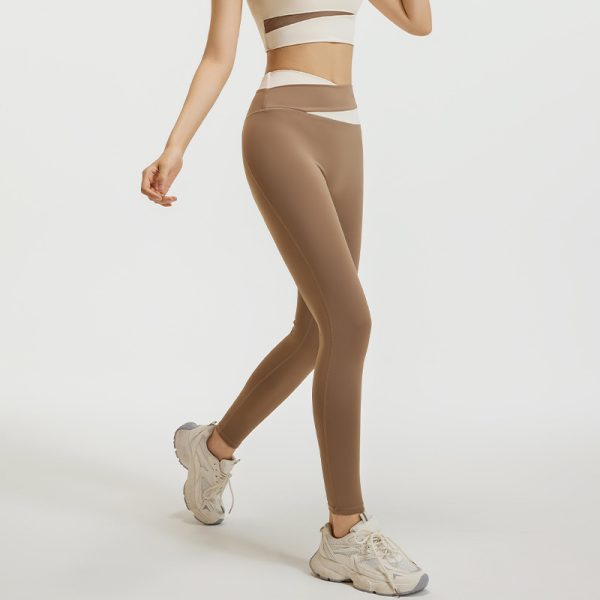
Materials and features that actually matter
Pick materials by function. Four-way stretch keeps range of motion. Moisture-wicking pulls sweat away during long shifts. Compression fabric can suit athletic-fit roles but avoid over-tight for front-of-house teams. Add flatlock seams to reduce chafe and high-density print for crisp logos that last wash after wash. These terms matter because they translate to fewer returns, happier staff, and longer wear life.
Design choices from a user lens
Colour and logo placement must be readable from a distance in busy settings like CES Las Vegas — that matters when dozens of companies compete for attention. Use contrast and simplified marks for trade shows; keep pockets discreet where tools are needed. Details like interior label removal for comfort or a hidden zip for small-item security show you designed for people, not for vanity.
Fit and sizing: practical rules
Offer a range, not just S–L. Provide half-sizes or relaxed and tailored cuts. Allow for sample runs before bulk order so you catch issues — sleeve length, shoulder pitch, torso ease. Prototype on different body types; the goal is consistent silhouette across sizes so brand reads cohesive on team photos and video.
Production realities and quality control
Work with suppliers who run pre-production samples and report shrinkage rates and color fastness. Ask for wash tests and seam tensile checks — specifics like 10-wash color retention at standard detergent, or seam stress testing at 15 kgf for high-movement zones. These measurable checks avoid surprises at deployment.
Common mistakes teams make — and how to avoid them
Teams often choose fashion over function. Result: staff unhappy, replacement orders soon. Another misstep is skipping user testing — that costs more than a small sample run. Over-branding is also a thing; too many logos or loud graphics distract from customer service. Keep hierarchy: brand mark first, messaging minimal. — Small note: sometimes simpler sells better.
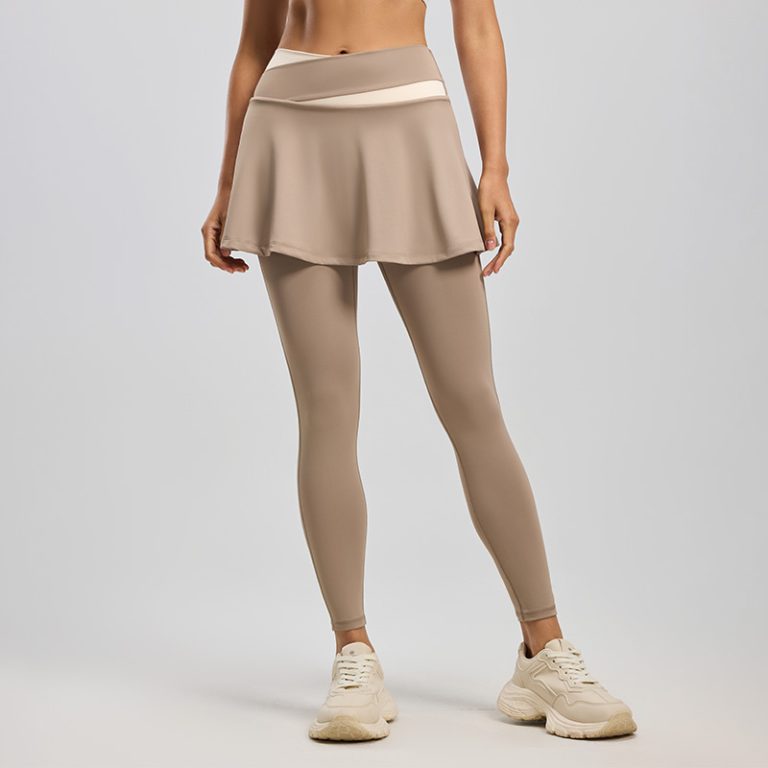
Alternatives to consider
If long-sleeve isn’t ideal, think hybrid options: roll-up sleeves with secure tab, or layered designs paired with breathable outerwear for seasonal climates. For wellness or active roles, consider pairing with personalized yoga pants that match fabric performance — four-way stretch and moisture-wicking across top and bottom gives uniform movement and polished look.
Key takeaways from the user-centric approach
Design for the wearer first, then for the camera. Material specs like four-way stretch, moisture-wicking, and flatlock seams reduce complaints. Prototype early, test across body types, and demand measurable production tests so your rollout is smooth and predictable.
Three golden rules for selecting branded apparel
1) Prioritise performance metrics: require wash retention and seam stress reports before sign-off. Metrics replace guesswork. 2) Insist on real-user prototyping: samples on multiple body shapes, three to five wear cycles minimum. That catches fit and comfort issues early. 3) Keep brand hierarchy minimal: one strong logo, limited color palette, durable print method — high-density print or embroidery depending on texture.
These rules cut waste and keep teams wearing the brand with pride — which is value Joebond brings naturally as partner in design and delivery. Joebond. —