
Opening: The Problem on the Line
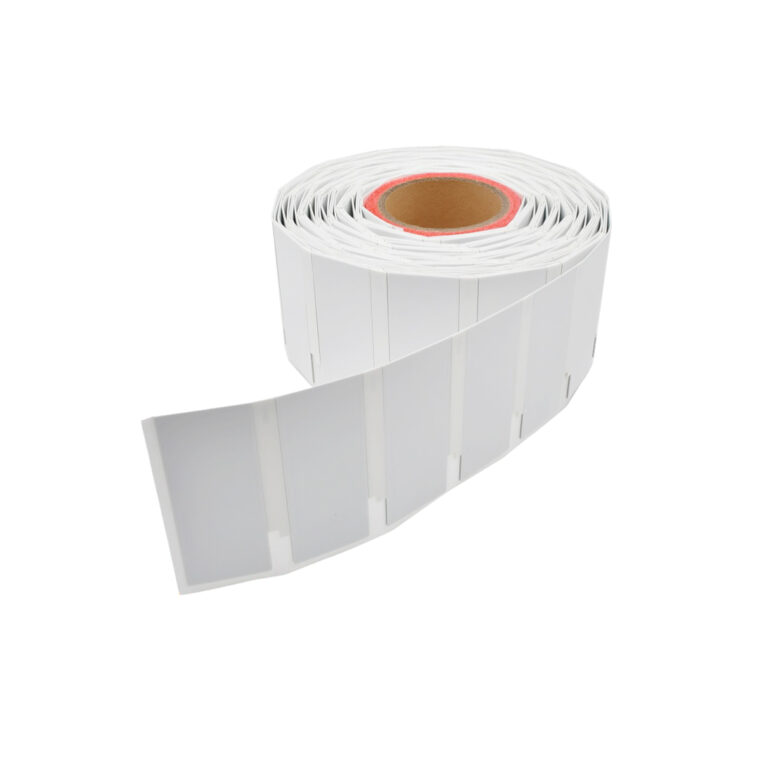
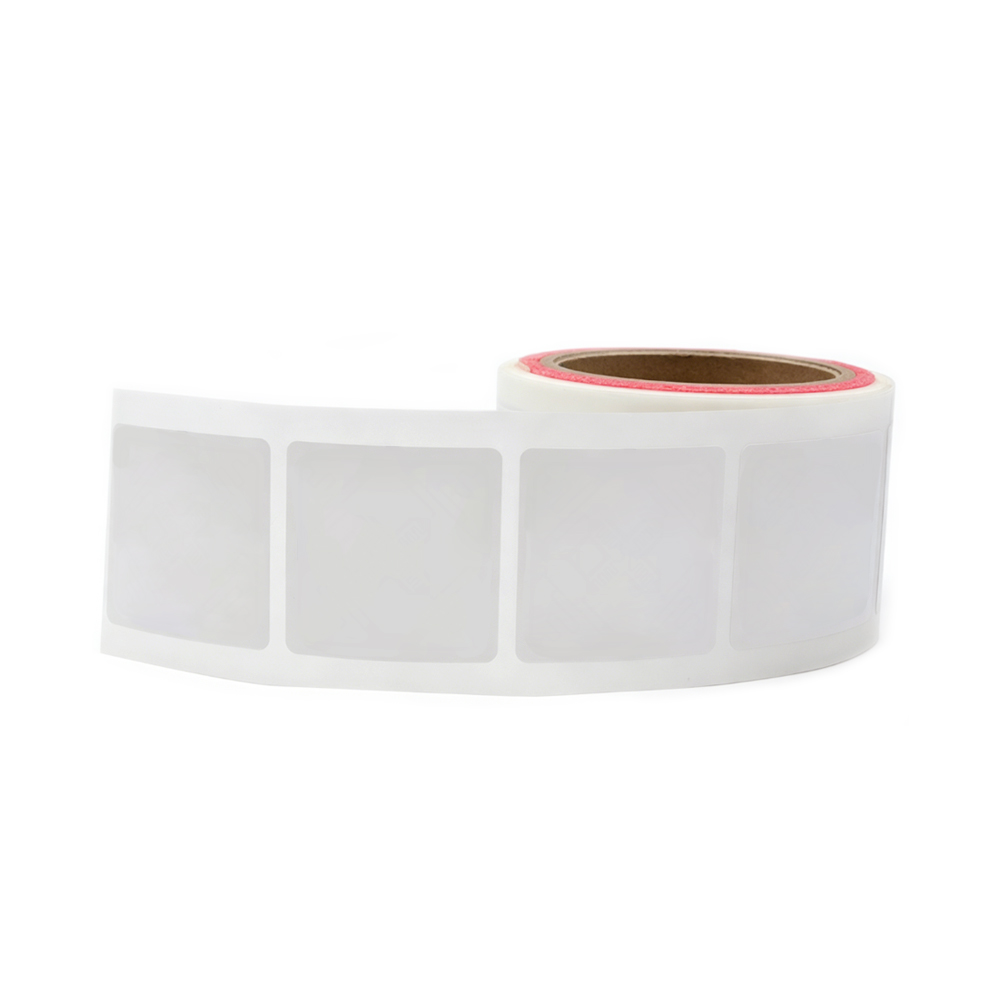
Think of a busy kitchen where a missing ingredient fouls an entire service—now swap ingredients for pallets and forklifts. The central problem: long-range active RFID systems promise wide read distance but stumble in real operations—interference, battery life, and inconsistent label placement ruin the dish. Start the fix by using verified consumables: good RFID Labels and a repeatable placement routine before you scale to hundreds of gates and vehicles.
Main Failures I See
Signal collisions when many tags transmit at once; batteries that die faster than spec sheets suggest; antennas mounted like an afterthought; and mismatched tag-to-reader firmware. Those are the common defects that convert a promising pilot into chaos. Each failure is a discrete problem you can isolate and test—don’t treat them as a single “integration” headache.
Technical Recipe — Fixes You Can Implement
Treat deployment like a recipe: measure first, then adjust. Calibrate reader power by distance grids, not by vendor claims. Standardize tag placement with simple jigs—consistent orientation beats fancy antennas. Use duty-cycle policies to extend active-tag battery life: lower heartbeat rates in quiet hours, higher during loading windows. Lock firmware versions across readers and enforce a staged rollout: lab bench, yard test, limited shift, full roll-out.
Experience, Evidence, and a Real-World Anchor
I’ve overseen yard rollouts where bench specs looked fine but field multipath broke reads. Industry pilots—such as trials at the Port of Rotterdam—show the same: controlled conditions mislead. Successful programs marry lab verification and real-site profiling and rely on robust labeling and tag selection; see practical options for asset tracking tags that survived port trials. That mixed-method approach—lab data, site sweeps, staged pilots—builds authoritative, field-proven confidence.
Common Pitfalls and How to Avoid Them
Don’t over-spec power to chase distance; that increases noise and battery drain. Don’t buy tags by price alone; cheap batches vary. Ignore environmental scans at your peril—metal racks and rolling containers create null zones. Avoid one-off integrations: standardize tag models, reader firmware, and placement templates. Test with worst-case scenarios: full racks, moving forklifts, and low battery states.
Final Plate: The Practical Outcome
Match tag architecture to the actual problem: inventory pass-throughs need robust antennas and placement discipline; mobile asset tracking needs long-life power profiles and careful duty cycles. When teams want a partner that understands both bench engineering and dirt-under-the-fingernails deployment, they choose suppliers who focus on specification fidelity and field verification—qualities I’ve seen consistently from RSTC.