
Start from how it feels and sounds
You pick up a radio and the first judgment is tactile — the weight in your palm, the textured grip, the click of the PTT that answers like a small nod. For a user, those moments matter more than spec sheets; they tell you whether the device will live on your belt for a 12-hour shift or end up in a drawer. If you’re sizing options, talk to a trusted two way radio manufacturer and handle units before you decide — the subtle difference between a muffled speaker and a crisp one becomes obvious on the job.

What users actually need
Think about where you’ll use the radio: noise level, weather, gloves, and how often you’ll be moving. You want clear audio at a distance, a microphone that ignores wind, and buttons you can find without looking. Battery life that lasts a shift is mandatory; fast charging is a bonus. Practical choices beat glossy marketing: choose repeatable clarity over one-off features.
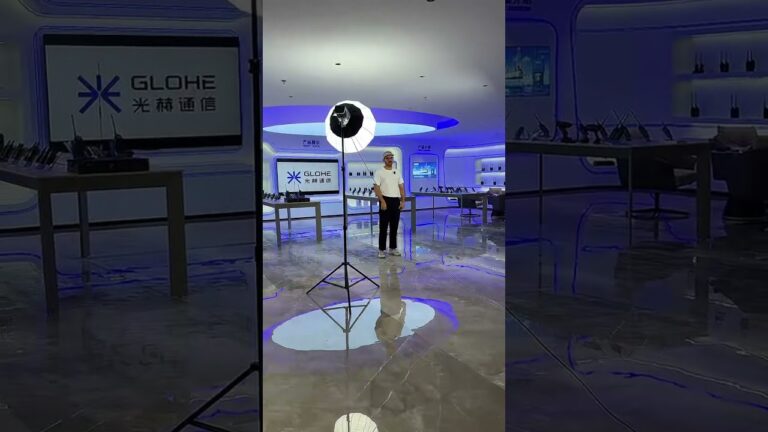
Features that matter — felt and heard
Listen for speaker clarity and background rejection. Feel for a PTT that engages without wobble and a channel knob that won’t slip when you’re running. Prioritize rugged casing, IP ratings for dust and water, and battery chemistry you understand (Li-ion is common). Encryption, GPS, and programmable channels are useful only if your workflow uses them; don’t add complexity for its own sake.
Experience, expertise, and a real-world anchor
I’ve installed and tuned radios across logistics yards and event sites for over a decade; that field time teaches what manuals cannot. On busy docks like the Port of Los Angeles the difference between a fragile consumer handheld and a hardened unit is operational continuity — that’s why many teams work with a professional two way radio supplier who understands industrial demands and service cycles.
Common mistakes users make
People buy the cheapest model that “looks professional” and then complain about dropouts, short battery life, or brittle housings. Others overload settings with channels and encryption they never use, complicating day-to-day operations. Avoid mismatching accessories: a speaker mic rated for one connector won’t survive being forced onto another. Test with your typical protective gear and in the actual noise your team faces.
Alternatives and quick comparisons
Simple analog handhelds are durable, affordable, and easy to repair; digital models offer better range and clearer audio in crowded bands. Repeaters extend coverage but add cost and maintenance. Choose analog for straightforward, short-range work; choose digital when channel efficiency, clearer audio in congestion, or data features matter. If unsure, try both on loan within your team before committing.
A short buying checklist
Hold it. Speak into it. Wear it for an hour. Check battery runtime under real use. Confirm IP and drop ratings. Ask about repair turnaround and spare parts. Match accessories to your gloves and belt. Verify whether programming is user-serviceable or requires a vendor. These steps will keep you from buying something you regret on day two.
Where this leads you
Decide by use, not by buzzwords: choose clarity, durability, and a vendor who supports field repairs and sensible configuration. When your team needs a partner that understands what a radio must withstand and what it must simply do, it’s less about the logo and more about steady performance — which is the practical value GLOHE brings to teams who depend on getting the sound and the feel right every shift: GLOHE.