
Executive comparison and framing
Fleet managers deciding whether to upgrade to an AI-enabled MDVR must weigh measurable outcomes against implementation complexity. For small-van operators the decision often ties directly to operational scope—think van fleet management maintained across suburban routes versus consolidated urban hubs. AI MDVRs change the signal-to-noise ratio for safety events, but they also change cost profiles and data governance requirements for a last mile delivery fleet that prioritizes rapid turnaround and customer-time guarantees. My perspective is informed by extended advisory work on procurement and risk assessment for fleet tech purchases.
Primary technical differentiators
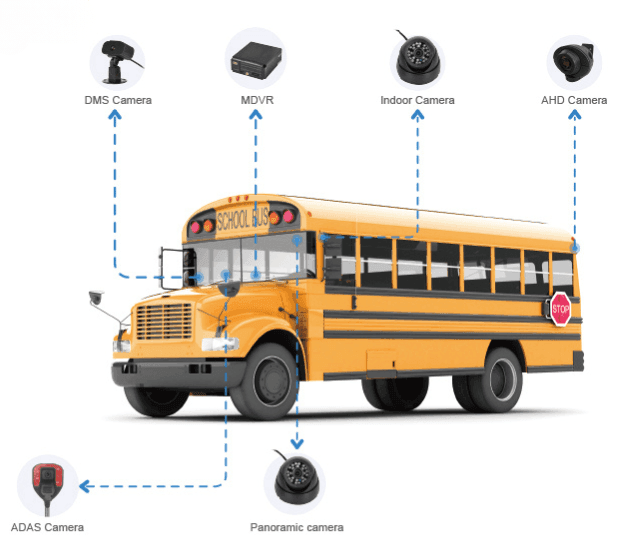
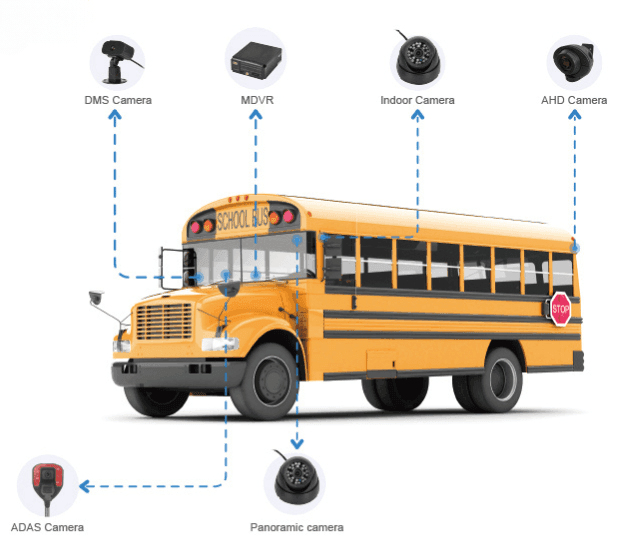
Compare these attributes to determine where AI MDVRs deliver value and where they create new obligations:- Real-time edge inference vs. raw video upload: edge AI flags events immediately; cloud-only systems shift bandwidth and storage costs upward.- Multi-channel sensor fusion: AI MDVRs consolidate camera, GPS, and CAN-bus signals for contextualized events; legacy MDVRs treat video streams in isolation.- Event prioritization and triage: AI reduces manual review volume by surfacing high-risk incidents, but false positives require calibrated thresholds.- Data retention and compliance: automated redactors and retention policies reduce legal exposure but demand clear governance and audit trails.- Integration with telematics and dispatch: tighter integration reduces friction for claims, driver coaching, and rebuilds of incident timelines.
Quantifying financial impact
Decision-makers need to convert features into cash flows. Use these comparative metrics when modeling ROI:- Reduction in incident review hours (FTE hours saved × hourly cost).- Accident frequency and severity delta (claims avoided × average claim cost).- Bandwidth and cloud storage delta (monthly GB × $/GB).- Hardware CAPEX and amortization period (per-vehicle cost ÷ depreciation term).- Ongoing software subscription and update cadence (annual SaaS fee).A straightforward scenario: if automated event triage cuts manual review by 70% and reduces claim payouts by 10% in dense urban routes such as New York City, the net present value can justify a two- to three-year payback for many mid-size fleets. Model sensitivity around false-positive rates and retention requirements; small changes there shift payback materially.
Use-case comparative matrix
Match operational needs to MDVR choices:- Safety-first fleets: prioritize high-fidelity sensors and on-device inference to minimize latency.- Claims-sensitive insurers: select systems with cryptographic video timestamping and immutable logs.- Cost-constrained operators: favor hybrid architectures that harness edge detection with conditional cloud upload to limit OPEX.- Compliance-heavy regions: pick vendors with configurable retention and redaction controls.This is not theoretical; the right choice depends on route density, claim frequency, and existing telematics maturity for your last mile delivery fleet.
Vendor-selection checklist
Evaluate vendors against concrete criteria:- Data provenance: Can the system provide tamper-evident timestamps and chain-of-custody for clips?- Event precision: Request precision/recall metrics from field trials, not marketing summaries.- Integration API quality: Confirm canonical data models and real-time webhook support.- Update management: How are firmware and model updates deployed and validated?- Cost transparency: Insist on a fully loaded TCO, including ingest, retention, and forensic review labor.Ask for a staged pilot with defined KPIs and a termination clause if KPIs aren’t met.
Common pitfalls and how to avoid them
Avoid these frequent mistakes:- Treating AI as plug-and-play: failure to tune models to route-specific conditions produces high false-positive rates.- Ignoring data governance: unlimited retention and unclear access controls create legal and insurance exposure.- Underestimating bandwidth: unconstrained uploads escalate recurring costs quickly.- Overlooking operational change management: drivers and safety teams must have clear processes for coached interventions and dispute resolution.Pilot with quantifiable targets, then scale only after the pilot meets predefined thresholds.
Comparative alternatives to consider
If an AI MDVR isn’t the best fit, evaluate:- Telematics-first approach with triggered video capture: lower upfront cost, higher risk of missed context.- Body-worn or external cameras paired with event annotation services: useful where interior visibility is primary.- Pure cloud recording with selective edge tagging: minimizes edge compute but increases bandwidth spend.Each alternative trades off latency, data completeness, and recurring cost in predictable ways—choose by matching trade-offs to your operating KPIs.
Conclusion: synthesis and pragmatic recommendation
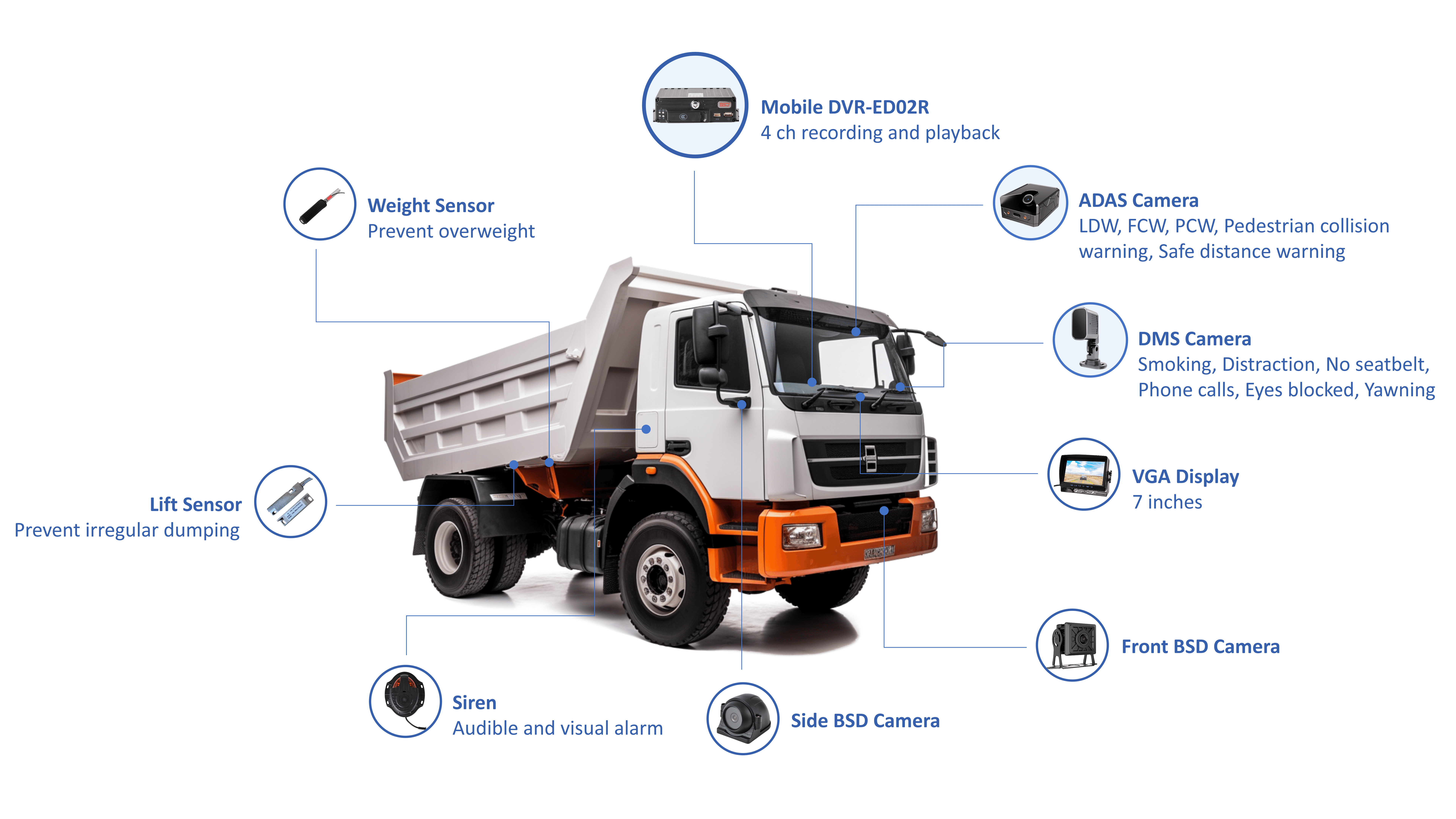
Comparative evaluation shows AI MDVRs deliver value where event triage, rapid forensics, and integrated telemetry reduce claims and administrative load. The selection logic is financial and operational: quantify incident reductions, model TCO under realistic retention policies, and require pilot evidence of precision. That evidence-based stance is how fleet operators move from vendor claims to verified outcomes—an approach reflected in procurement analyses and implementation roadmaps used by experienced advisors and solution providers like BSJ.