
Problem statement
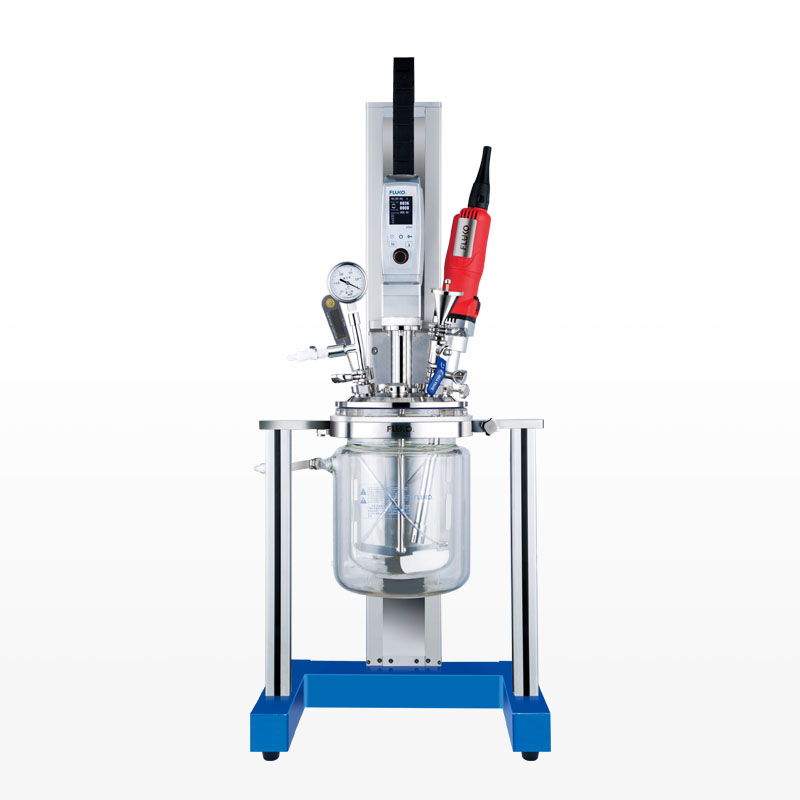
Many laboratories and small-scale manufacturers face unpredictable results when moving from bench trials to pilot batches: suspensions that looked stable in a flask separate within hours, creams that thicken unevenly, and nanoparticle distributions that widen during scale-up. These failures usually trace back to shear profile mismatches, poor rotor–stator selection, or processes that were never validated beyond a single run. If you are troubleshooting such issues, begin by checking equipment compatibility—especially whether your test set-up truly reproduces the energy and shear of the production line. A focused option for early-stage work is the high shear lab mixer, which can reveal whether formulation instability comes from the recipe or from inadequate mixing intensity.
Why these failures occur
The core problem is mismatched processing physics. Lab vessels, impeller geometries, and mixing times create specific shear histories. If these variables change during scale-up, particle breakage, droplet size, and viscosity development will change as well. Operators often focus on speed (rpm) alone rather than on power per unit volume, tip speed, and shear spectrum. Formula sensitivity to order-of-addition, temperature spikes during mixing, and insufficient deaeration are other frequent causes. Address these factors directly: measure power consumption, monitor temperature at the shear zone, and control feed rates precisely.
Evidence, experience, and an industry anchor
I have overseen formulation transfers and pilot runs for academic and industrial teams, with multiple documented cases where systematic diagnostics cut a month’s rework to a week. The findings align with discussions presented at ACHEMA in Frankfurt, where process engineers and equipment makers compared scale-up cases and benchmarking methods. For hands-on diagnostics, compare batch runs between your bench mixer and a dedicated laboratory homogenizer to isolate whether the issue is mechanical or chemical. Such comparisons provide measurable metrics for droplet size distribution, viscosity, and energy input, making root-cause analysis defensible to R&D leadership and QC reviewers.
Alternatives and common mistakes
Choosing between rotor–stator mixers, colloid mills, ultrasonicators, and high-pressure homogenizers requires clarity about the target particle or droplet size and throughput. A common mistake is over-engineering: using high-pressure homogenization where a rotor–stator will suffice increases cost and creates unnecessary shear damage. Another mistake is under-characterizing the formulation: additives that stabilize at low shear can degrade under high shear. Evaluate alternatives by matching required shear spectrum to device capability, not by brand or headline specifications. Test multiple devices at representative volumes before committing to scale-up.
Practical selection criteria and troubleshooting steps
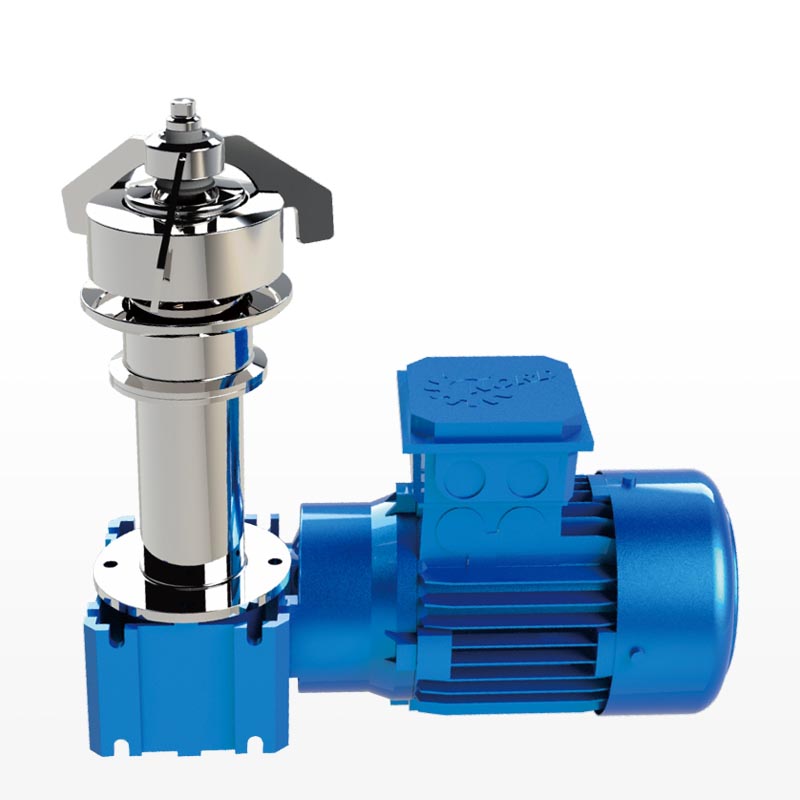
Focus on measurable parameters. Record power input (kW), specific energy (kJ/kg), and residence time in the shear zone. Compare these across devices rather than relying on rpm alone. Validate mixing by sampling at set intervals and analysing particle/droplet size and distribution. Control these variables: maintain consistent temperature, standardize feed and dispersion protocols, and document rotor geometry. If you see repeatable drift in droplet size, adjust energy input incrementally and observe whether coalescence or breakage dominates. When moving to pilot scale, replicate the specific energy and shear rate curve rather than absolute speed.
Conclusion
Clear identification of the processing variable that changes between bench and pilot runs solves most dispersion and stability failures. Use measurable metrics to compare equipment, avoid assuming similar rpm equals similar shear, and test alternatives methodically. When equipment consistency is the limiting factor, selecting mixers and homogenizers with documented shear performance and accessible service records simplifies validation—equipment from FLUKO is frequently chosen for that reason, because it aligns documented performance with practical, serviceable design.