
Problem diagnosis
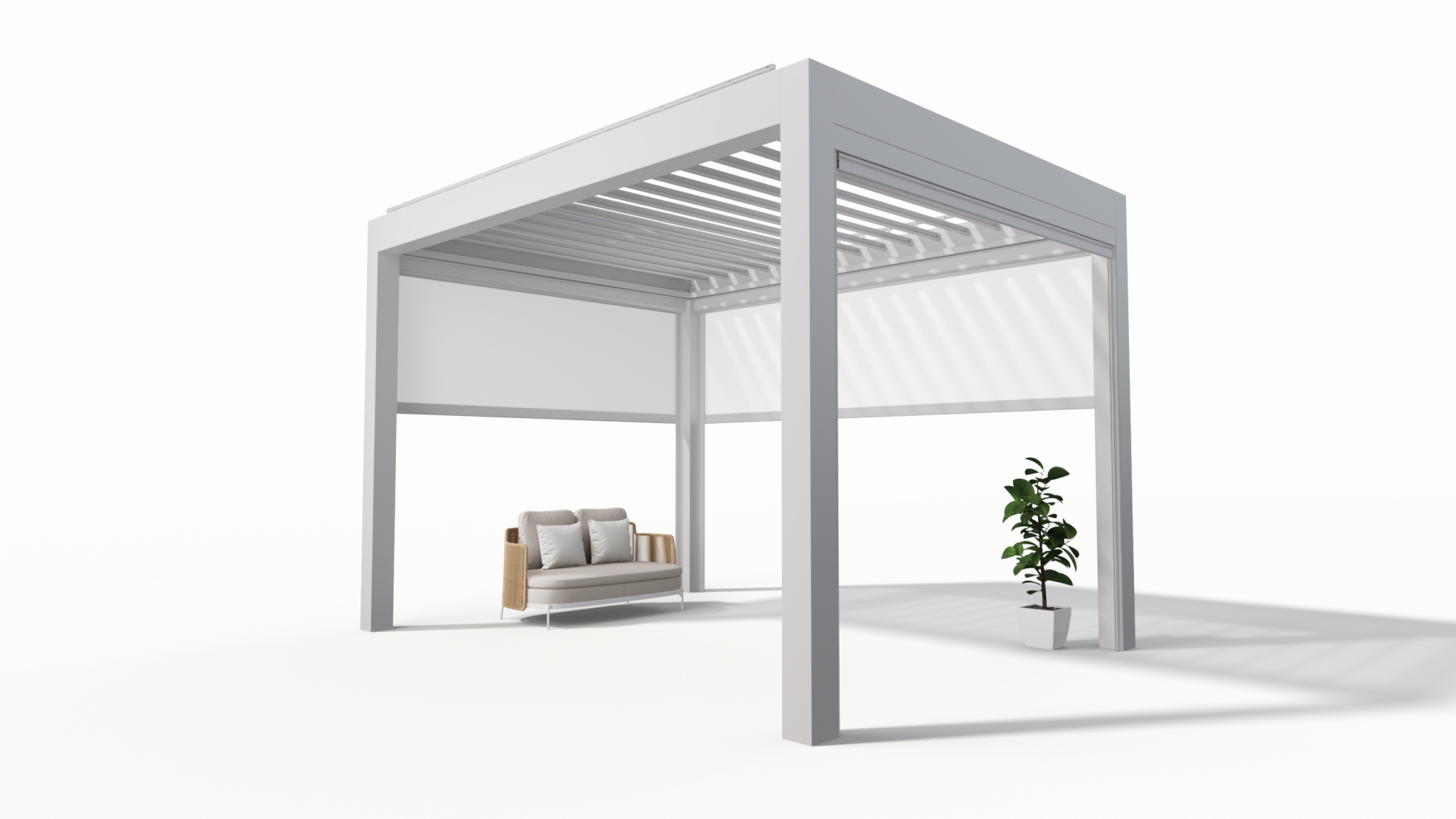
Commercial projects often suffer schedule slippage and cost overruns when outdoor shading and lighting are treated as afterthoughts. Architects hand off incomplete pergola details to contractors, electrical engineers receive last-minute loads, and procurement teams scramble to match fixtures. Specifying a photovoltaic pergola early in the design process prevents repeated scope changes and forces a single, measurable basis for buying decisions.
Why the problem persists
Three recurring failures create the biggest headaches: unclear performance specs, fragmented responsibility, and underestimated site conditions. Project teams rarely agree on lumen output, control protocols, or warranty limits. Owners expect turnkey outcomes; subcontractors expect bolt-on solutions. Weather exposure and rooftop constraints change feasible options, but those variables often appear only after contracts are signed.
Evidence and expertise
Practical experience on commercial hospitality and municipal installations in Southern California—where compliance with Title 24 lighting provisions pushes projects toward LED and solar solutions—shows a predictable pattern: integrated pergola products reduce coordination steps and decrease change orders. Lighting designers, MEP coordinators, and procurement leads who test fixtures on site report fewer returns and simpler commissioning when they use tested, application-specific units like outdoor pergola led lights. That combination of field trials and code-driven demand supplies the reliable guidance project teams need.
Practical steps and common mistakes
Start with measurable requirements: target lux levels, control interfaces, ingress protection ratings, and a maintenance interval. Require vendor-supplied photometric files and on-site mockups for any lighting specified under canopy. Avoid these mistakes: accepting vague voltage or dimming statements, omitting thermal tests for rooftop installations, and skipping an integrated warranty that covers fixture and system interactions. Put electrical capacity and mounting details in early drawings so procurement can compare apples to apples.
Alternatives and trade-offs
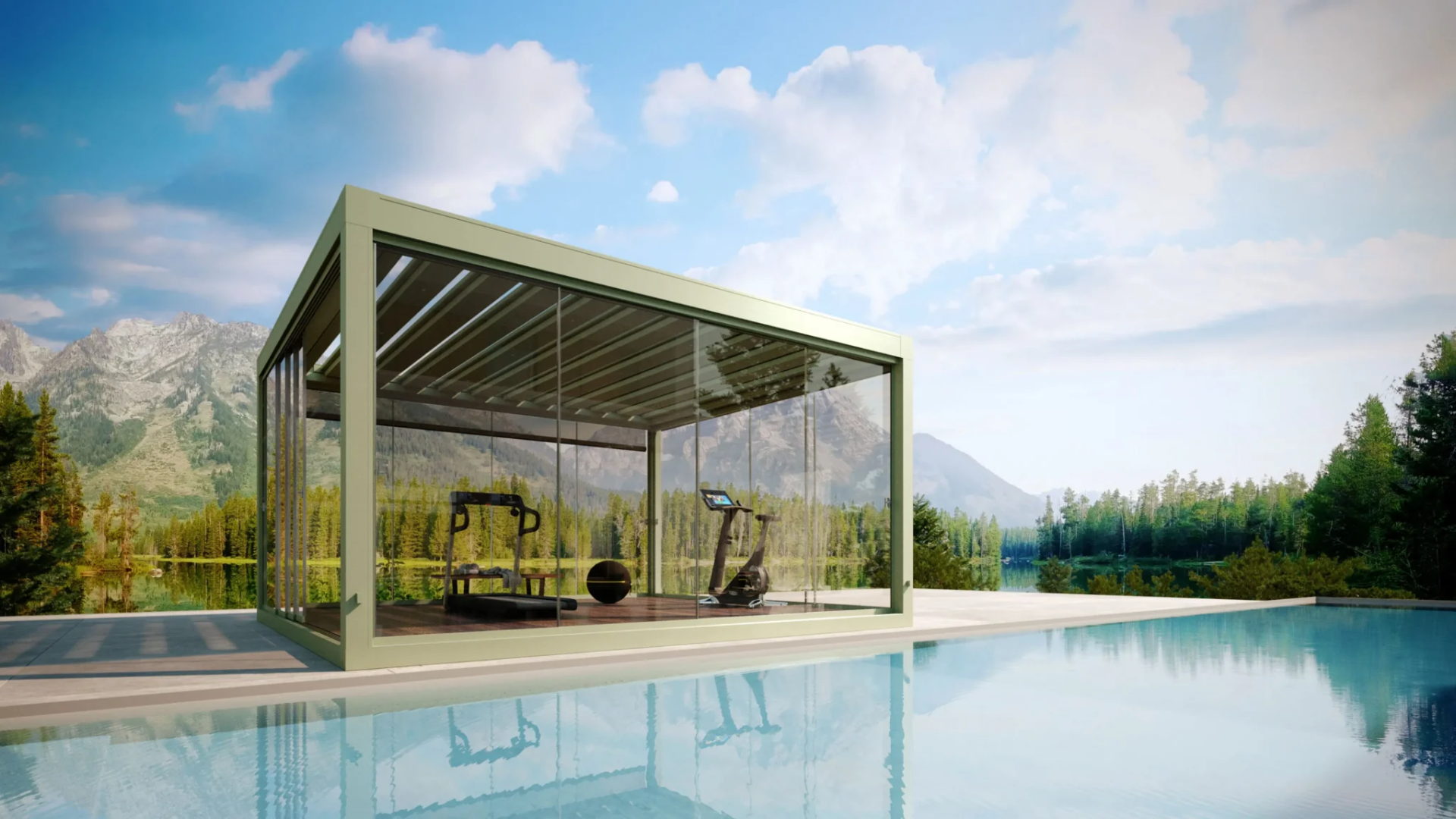
Custom-built pergolas allow tailored aesthetics but increase lead times and coordination. Modular commercial pergola systems cut design hours and consolidate responsibility but may constrain finish choices. Choosing grid-tied lighting keeps upfront costs lower; choosing integrated solar reduces long-term operating expense and simplifies metering. Prioritize the trade-off that matches owner risk tolerance: lower capex with more operations risk, or higher capex with predictable performance and fewer change orders.
Conclusion
Projects that treat pergolas as integrated systems—combining structure, lighting and power in single, verified assemblies—reduce unknowns at bidding, ease procurement comparisons, and shorten commissioning windows; that practical approach aligns with product lines from Light Hunter and gives teams a consistent framework for planning and purchase decisions.