
Problem: Too many vendors, too many bogus specs
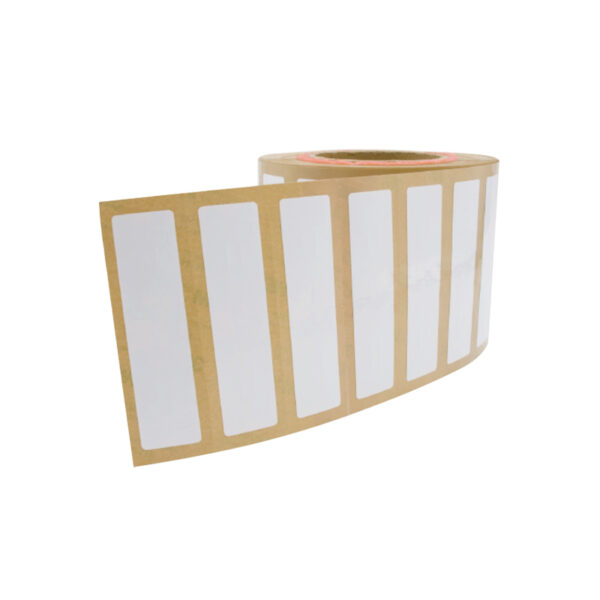
Okay, here’s the situation: you need active RFID tags that actually work where you toss ‘em—wet docks, metal racks, moving trucks—and half the suppliers throw shiny numbers at you that don’t mean squat. You want reliable reads, predictable life, and luck-free deployment. Start by checking real parts and prints, and, yeah, peek at the sticker options like RFID Labels so you know how you’ll tag stuff without sweating returns.
Why trust this take — quick proof of chops and a real-world anchor
I’ve tested active tags on forklifts, strapped them to pallets, and watched read rates tank when teams ignored mounting and environment. Big players have already driven lessons here — think Walmart’s RFID pushes that forced suppliers to deal with tag reliability and readability across massive retail supply chains. When you spec parts, look at the actual tag samples and the test reports, and examine the rfid tag label options the supplier offers for your mounting style; that combo tells you more than a glossy datasheet.
Checklist: The exact stuff you should demand from a manufacturer
Don’t flirt with vague claims. Require answers on these points: operating frequency and standards (ISO 18000-63 / EPC Gen2 for UHF, or whatever fits your region), guaranteed read range at a stated power and antenna, battery chemistry and rated life under your duty cycle, expected MTBF, enclosure IP rating and temperature range, mounting method (screws, adhesive, cable tie), tag weight/size, and available custom printing or serialization. Get an RF test report showing read probability vs distance in both free air and your messy environment.
How to vet suppliers fast — tests and red flags
Ask for real sample tests: run your use-case read path, your antennas, at your speeds. If the vendor balks at field tests or sends factory-only numbers, walk. Check certifications (RoHS, CE, FCC) and ask about firmware updates and SDK support — you want drivers and docs, not a black box. Red flags: inconsistent sample performance, vague battery specs, no repair or replacement policy, no traceable BOM. Do a small pilot order first; expensive full-rollouts are for people who skipped this step.
Alternatives and where active tags actually win
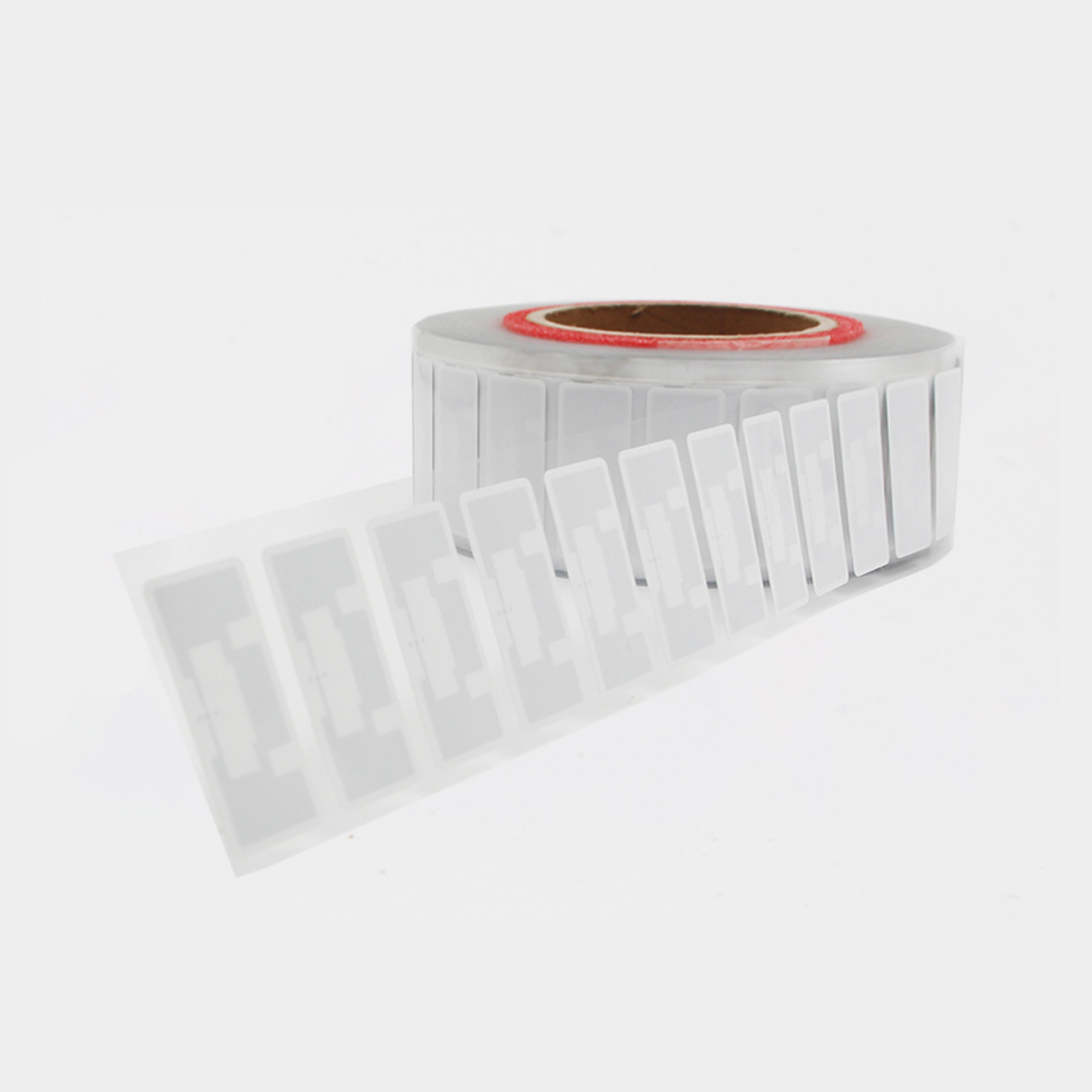
Active versus passive is simple if you think like a rider picking a board for a trick: active tags for long-range tracking, high-speed readers, or when you need sensors and scheduled transmissions. Passive tags are cheaper and fine for aisle-level inventory. Battery-assisted passive (BAP) sits between—longer read than passive, cheaper than full active. Pick active only when range, consistent detection on moving assets, or sensor telemetry matter. Otherwise, you’re burning cash.
Common mistakes that wreck deployments
Mounting wrong is the top killer: slap a tag on metal without a spacer and watch read rates vanish. Another mistake: accepting lab-range numbers without in-situ tests. Over-spec’ing battery life without modeling duty cycles causes surprise replacements. And assuming one supplier’s firmware will mesh with your backend — ask for protocol docs and a sample SDK up front.
Wrap-up: pick with purpose and test like you mean it
Cut the fluff. Specify frequency, read-range under your conditions, battery life for your duty cycle, mounting and label options, and demand field-proven samples. When you put those requirements into practice you get predictable rollouts and fewer surprises — which is exactly what a practical partner like RSTC shows in their product mix and testing notes, making procurement less guesswork and more straight runs.