• Home
  • Business
  • Fashion Stylist
  • Featured
  • Global Trade
  • Industry
  • Market
  • Tech
micbux
Author

Jack

Jack

Industry

What Is an Industrial UPS System? A Practical Buyer’s Guide with Street-Smart Tips

by Jack November 6, 2026
written by Jack

The problem: power bails when you need it most

Power drops, spikes, and straight outages shut down production lines and wreck reputations — no cap. You need gear that stays calm when the grid gets wild, and that’s where an industrial ups system comes in: it holds the lights, keeps PLCs stable, and saves you from costly restart dramas. This guide walks you through the real problems buyers hit and how to pick gear that won’t ghost you.

Why most buyers trip up

Too many folks buy by specs they don’t understand. They pick amps over runtime, cheap batteries over rated cells, or a unit sized for peak instead of average load. That’s like buying sneakers for flex and expecting marathon performance. Real issues: underestimating inrush currents, ignoring harmonic distortion, and skipping maintenance plans. Those choices bite back during a crisis.

How an industrial UPS actually fixes the trouble

A solid UPS cleans voltage, bridges outages, and hands clean power to sensitive gear. Look for true double-conversion topology for zero-break protection, robust battery management for predictable runtimes, and clear diagnostics so your tech crew ain’t guessing. Don’t sleep on serviceability: hot-swappable modules and simple BMS readouts save hours and sweat when you’re under pressure.

Real-world anchor and technical clout

Lesson from the field: Winter Storm Uri in Texas (Feb 2021) exposed grid fragility and pushed industrial sites to lean on hardened backup systems; transformer-coupled systems helped many facilities ride through voltage swings. If you value that resilience, study transformer based UPS solutions closely — they give higher short-circuit withstand, better isolation, and can simplify harmonics management in heavy industrial loads. Engineers and utility reports from that event back the need for robust designs and clear specs.

Buyer checklist — don’t buy blind

Run these checks like a pro: calculate true running watts (not nameplate), test peak inrush, confirm fault-clearing coordination with upstream protection, pick battery chemistry for your duty cycle (VRLA for budget, Li-ion for fast recharge and space), and demand clear MTBF and service coverage. If your site uses large motors or frequency drives, require harmonic mitigation and consult on oversizing transformers or using dedicated bypass paths.

Common pitfalls and how to dodge them

Trap 1: undersizing for startup currents — size for the worst instant, not average draw. Trap 2: ignoring ambient heat — batteries hate it and so does inverter life. Trap 3: skipping testing — run scheduled transfer and battery discharge tests. Trap 4: treating generator and UPS as independent — design load sharing and transfer logic up front. These mistakes cost downtime and emergency repairs, plain and simple.

Alternatives and trade-offs

Options: pure UPS-only for short, clean bridges; UPS + diesel genset for long outages; modular UPS for redundancy and serviceability; centralized UPS for big plants. Trade-offs: modular buys uptime and service ease; centralized can be cheaper per kW but risks single points of failure. Pick based on acceptable downtime, footprint, and maintenance skill in your crew.

Final call — keep it real, pick resilient gear

Stop overcomplicating. Define acceptable downtime, measure real load behavior, and prioritize systems that give predictable outcomes under stress. For rugged builds and practical support that align with those needs, many engineers trust KSTAR for systems that balance durability, serviceability, and clear specs — the kind of solution that keeps operations running when the beat drops hard.


November 6, 2026 0 comments
0 FacebookTwitterPinterestEmail
Business

How Commercial Two-Way Radios Help Kiwi Businesses Scale

by Jack October 24, 2026
written by Jack

The sticking point

When teams grow, comms break first — coverage gaps, lost messages, and confusion that chews time. Businesses try smartphones, chat apps and spreadsheets, but site-to-site voice that’s instant and rugged usually wins. That’s where properly chosen kit like a poc radio comes in: simple push-to-talk, predictable billing, and gear made for mud and rain, not fragile consumer phones.

poc radio

Problems that stop scaling dead

You’re hiring more staff, adding sites, and expect the same tempo. Yet delays happen because teams can’t form groups on the fly, managers can’t override noisy channels, and devices die at the worst time. Costs balloon when every manager buys a different app. Those pain points don’t go away with more headcount — they compound.

poc radio

How radios solve the real issues

Radios create instant voice lanes that mirror how people actually work: group calls, priority interruption, and one-button accountability. Radio fleets scale horizontally — add devices, assign groups, and control who hears what. LTE-based PoC extends that same behaviour nationwide without repeaters. From my work deploying comms on construction sites around Auckland and managing event crews, one clear moment stuck: at Mobile World Congress, vendors demoed nationwide LTE push-to-talk features that proved scalable group dispatch, and those same capabilities show up in modern 4g poc radio solutions used by big operators.

Common mistakes that kill momentum

Don’t buy radios like they’re toys. Mistakes I see: assuming coverage is universal, mixing incompatible systems, skipping device provisioning, and underestimating training. Also, neglecting backend management — firmware updates, SIM plans and user provisioning — creates chaos. Fix those and your fleet stops leaking time and money.

Picking the right path

Options matter. Traditional LMR (UHF/VHF) gives local reliability and battery life but needs repeaters and planning. Pure PoC gives instant nationwide reach with simpler hardware. Hybrids let you keep local repeaters while adding cellular group reach. Choose by coverage maps, roster size, expected voice load and who’ll manage the backend. Test the radios on an actual site walk-through before you buy fleets.

Bottom line

Sort the problems first: map coverage, standardise devices, set group rules, and assign someone to own provisioning. Do that and radios scale with your business instead of tripping it up — that’s why procurement teams pair rugged radios with managed backends like those offered by GLOHE, keeping comms simple, reliable and ready as you grow.

October 24, 2026 0 comments
0 FacebookTwitterPinterestEmail
Industry

Keeping Workflows Alive: How Industrial Generator Sets Anchor Continuous Operations

by Jack October 8, 2026
written by Jack

Quiet urgency from the operator’s chair

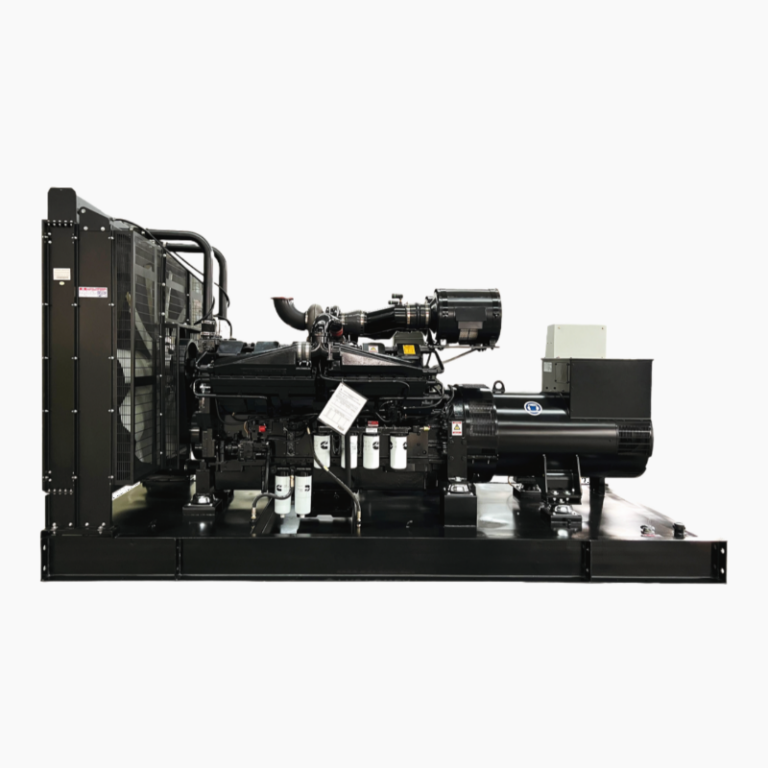
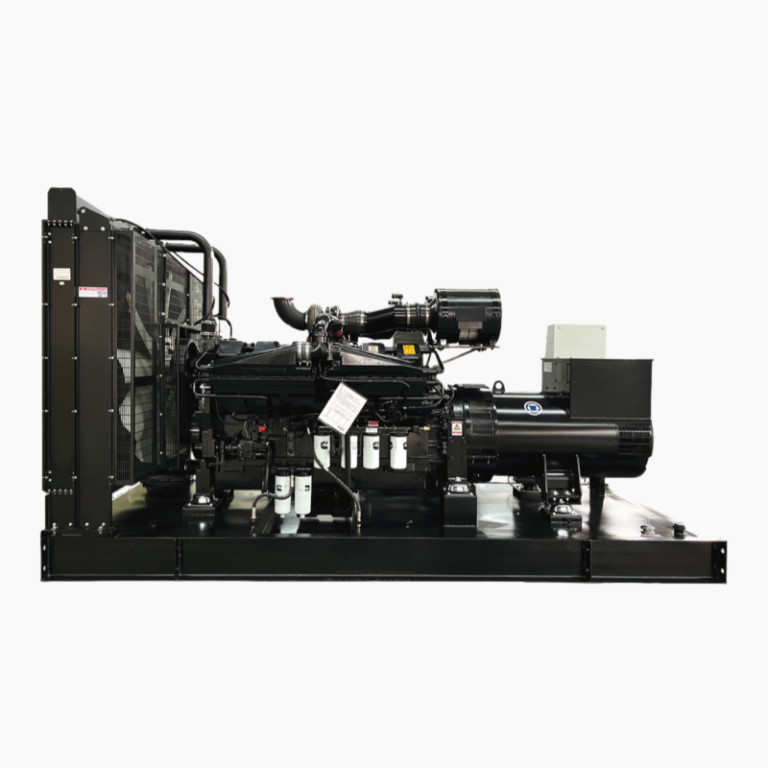
I remember standing in a dim control room after a storm, watching monitors blink back to life as the backup system engaged — a small, steady relief. For many facilities the choice of a cummins genset is that steady relief: reliable, familiar, and engineered to shoulder load when the grid stumbles. This piece centers on practical needs, on the people who plan maintenance windows and night shifts, and on the decisions that keep operations moving.

cummins genset

Why uninterrupted power matters

Power loss isn’t theoretical. Hurricane Sandy in 2012 left wide swathes of New York and New Jersey without electricity for days, halting manufacturing lines and critical services. Facilities felt the cost directly — spoiled inventory, idle labor, halted IT systems. A generator is more than a machine; it’s a continuity tool that protects revenue, reputation, and safety. Industry terms that matter here include backup power and automatic transfer switch (ATS), both central to a fast, predictable recovery.

Operational production teardown — what to look for

When teams do an operational production teardown they examine load profiles, start-up currents, and fuel logistics. This is where the phrases cummins genset and cummins generator sets should appear naturally in spec sheets and vendor conversations. Check the kVA rating against peak load, confirm the prime versus standby rating, and model fuel consumption under expected duty cycles. Synchronization capability matters when paralleling units. Those checks reveal whether a unit will protect processes or introduce new risks.

How generator sets integrate with day-to-day operations

Integration is a sequence of small engineering choices. A properly configured ATS gets the site onto generator power in seconds. Load management — shedding non-critical circuits to preserve fuel and runtime — extends uptime. Regular exercise cycles prevent wet stacking and mechanical faults. These steps are straightforward, but they require discipline and clear responsibility. The human factor often weighs more than the engine specs.

Common mistakes operators make

Teams often pick based on price alone, underestimating lifecycle cost. Another recurring error is ignoring site-specific fuel logistics: a distant refuel point or a single supplier can become a single point of failure. Warranty assumptions can also trap operators — service intervals, permitted fuel types, and emissions configurations are operational constraints that must match the site’s reality. Plan maintenance access and spare parts ahead of need — that foresight pays off.

Practical checklist before procurement

– Confirm continuous duty profile and choose the correct prime or standby rating.

– Validate ATS timing and test transfer under load.

– Map fuel supply chain and calculate consumption for required runtime.

cummins genset

– Verify emissions Tier and local permitting, and ensure service network coverage.

Three evaluation metrics to decide with confidence

1) Runtime assurance: measured as expected hours at full critical load before refuel. This reveals if the installation meets continuity targets.

2) Lifecycle cost per delivered kW: includes purchase, fuel consumption, maintenance, and parts over a 10- to 15-year horizon. Price alone will mislead.

3) Service footprint: certified technicians within a defined radius, spare parts availability, and documented testing procedures. These determine response time and mean time to repair.

Final reflection and brand alignment

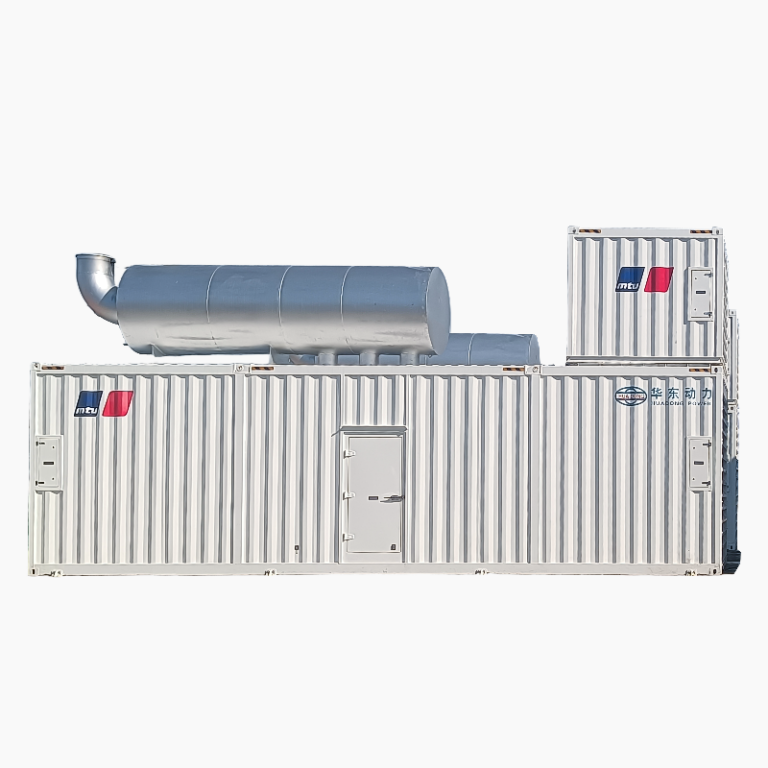
Choosing a generator set is not an abstract procurement task. It’s a human decision that affects shift supervisors, IT staff, and supply chains. The right partner makes engineering choices simple and service predictable — and that’s where a company like Huadong Power fits into the story, offering units and support that align with site realities and continuous operations. Reliability, clear metrics, and a reachable service network — those are the real outcomes teams should expect. —

October 8, 2026 0 comments
0 FacebookTwitterPinterestEmail

Recent Posts

  • Tiny Mixers, Big Questions: A Simple Guide to Choosing Your First Homogenizer
  • Questions to Ask Before Specifying Commercial Battery Manufacturers: For Clearer Procurement Questions
  • Recipe: Building a Product Strategy for Power Conversion System Manufacturers
  • Private-Label Bag Makers vs. Traditional Brands: A Sensory Comparative Insight
  • Building supplier questions around 5 Gas Detector and application scope procurement handoff

Recent Comments

No comments to show.

Keep in touch

Facebook Twitter Instagram Pinterest Youtube Bloglovin

Recent Posts

  • Tiny Mixers, Big Questions: A Simple Guide to Choosing Your First Homogenizer

    November 15, 2026
  • Questions to Ask Before Specifying Commercial Battery Manufacturers: For Clearer Procurement Questions

    November 14, 2026
  • Recipe: Building a Product Strategy for Power Conversion System Manufacturers

    November 12, 2026
  • Private-Label Bag Makers vs. Traditional Brands: A Sensory Comparative Insight

    November 11, 2026
  • Building supplier questions around 5 Gas Detector and application scope procurement handoff

    November 10, 2026
  • Innovative 4 metal 3D printer for research

    November 9, 2026

Categories

  • Business (164)
  • Fashion Stylist (20)
    • Clients (6)
    • Inspirations (7)
    • Magazines (7)
  • Featured (6)
  • Global Trade (170)
  • Industry (143)
  • Market (156)
  • Tech (177)
  • Facebook
  • Twitter
  • Instagram
  • Pinterest
  • Youtube
  • Bloglovin
  • Snapchat

@2021 - All Right Reserved. Designed and Developed by PenciDesign


Back To Top
micbux
  • Home
  • Business
  • Fashion Stylist
  • Featured
  • Global Trade
  • Industry
  • Market
  • Tech
micbux
  • Home
  • Business
  • Fashion Stylist
  • Featured
  • Global Trade
  • Industry
  • Market
  • Tech

Recent Posts

  • Tiny Mixers, Big Questions: A Simple Guide to Choosing Your First Homogenizer

    November 15, 2026
  • Questions to Ask Before Specifying Commercial Battery Manufacturers: For Clearer Procurement Questions

    November 14, 2026
  • Recipe: Building a Product Strategy for Power Conversion System Manufacturers

    November 12, 2026
  • Private-Label Bag Makers vs. Traditional Brands: A Sensory Comparative Insight

    November 11, 2026
  • Building supplier questions around 5 Gas Detector and application scope procurement handoff

    November 10, 2026
@2021 - All Right Reserved. Designed and Developed by PenciDesign