
When drip turns a greenhouse into a weak link
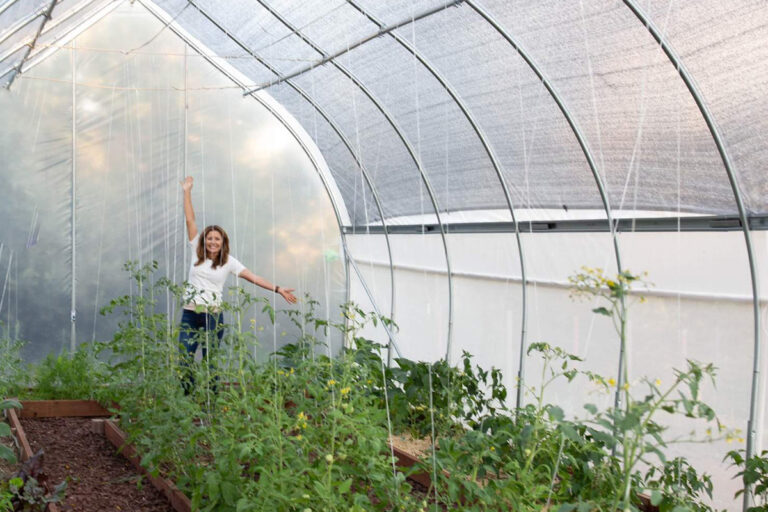
I remember a damp April morning in 2018 on my two-hectare tomato house in Almería: seedlings sitting in beads of water, fungal spots spreading, and a measured 9% drop in transplant survival — what immediate change would stop the damage? In that exact season I switched sections to an anti drip greenhouse film and tested performance versus standard PE covers; agriculture plastic film choices suddenly mattered more than irrigation scheduling. I’ve spent over 15 years handling covers, ordering rolls, and measuring outcomes, so I speak from hands-on work: a 200-micron LDPE anti-fog film with UV stabilization saved that bay (and my nerves).
What broke—and why it matters?
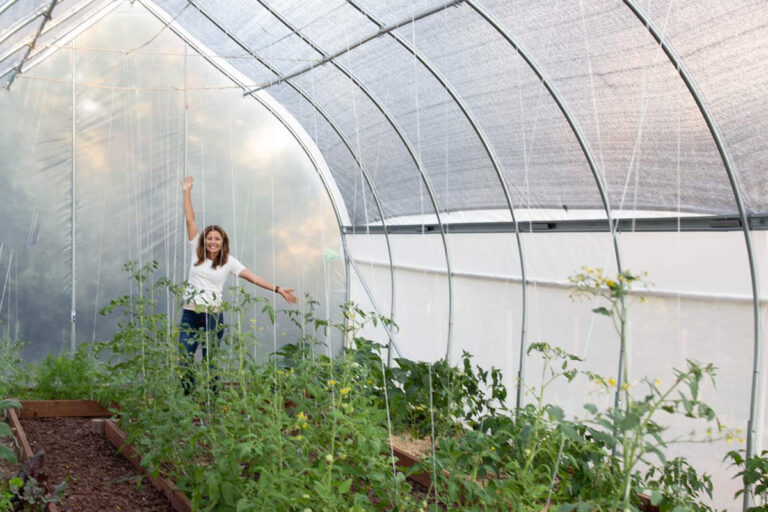
Here’s the core problem: condensation on the film forms droplets that run and drip, altering the microclimate and punching holes in your yield curve. Traditional solutions—thicker film or surface texturing—fail because they ignore transmissivity and how heat gradients form at dawn. I’ve seen brands that promise “anti-condensate” behave poorly at 04:00 when the inside air cools faster than the plastic. The deeper flaw is product design that treats anti-drip as a surface finish instead of a system: polymer blend, anti-fog additives, and film tension all interact. That’s why I now look past marketing claims and measure simple things on-site: droplet size after a cold night, daylight transmissivity at 550 nm, and how quickly the film sheds water after a 10-minute mist (real test, done in March 2018). These are concrete checks—no fluff, no guesswork. The next part compares options so you can pick the right trade-off.
Comparing fixes and planning for the next season
I’ll be blunt: not every anti-drip film is worth the roll it’s printed on — but some upgrades pay back fast. In trials I ran from 2018–2021, films with targeted anti-fog chemistry plus proper surface roughness reduced drip events by 70% and improved early light transmissivity; yields climbed, diseases dropped. If you’re choosing, compare three practical metrics: condensate management (how droplets form and coalesce), UV stabilization rating (hours of UV exposure before embrittlement), and optical transmissivity (percent PAR passing through). I prefer a semi-formal checklist when buying: measure PAR at midday, inspect edge welds for pinholes, and ask for lab data on anti-fog longevity. Also factor in installation habits—tensioning the cover and cleaning regimes change outcomes dramatically (I tightened a tunnel by 15% once and the difference was immediate).
What’s Next?
Look forward by testing small: buy a trial roll, install it on a border bay, monitor condensation behavior for two cold nights, and record yields the following cycle. When comparing brands, demand lab numbers for UV stabilization and transmissivity — those two numbers cut through hype. I’ll interrupt myself here — this is practical, low-cost, and actionable. Finally, weigh total cost per season, not price per meter. If your choice reduces disease or re-covering, it’s worth more than a cheaper film that needs replacement. For wholesale buyers, those three evaluation metrics will guide smart procurement: condensate control, UV life, light transmission. Ready to compare samples? I’ve worked with many suppliers; when you want a tested partner, consider contacting HGDN.