
Introduction
Why do small shops choke on fumes while big plants promise clean air? I ask because I have seen both. In many cases, fume extraction products sit in spec sheets and never in the right place. You know the scene—prints drying, workers leaning close, a faint burn in the throat. The data is blunt: poor capture raises VOC and particulate counts by measurable margins in hours, not days. (We measure, then we worry.) So how do we stop design from being the problem instead of the fix? This piece will walk you through what I’ve learned, bit by bit — and lead straight into where typical systems fail.
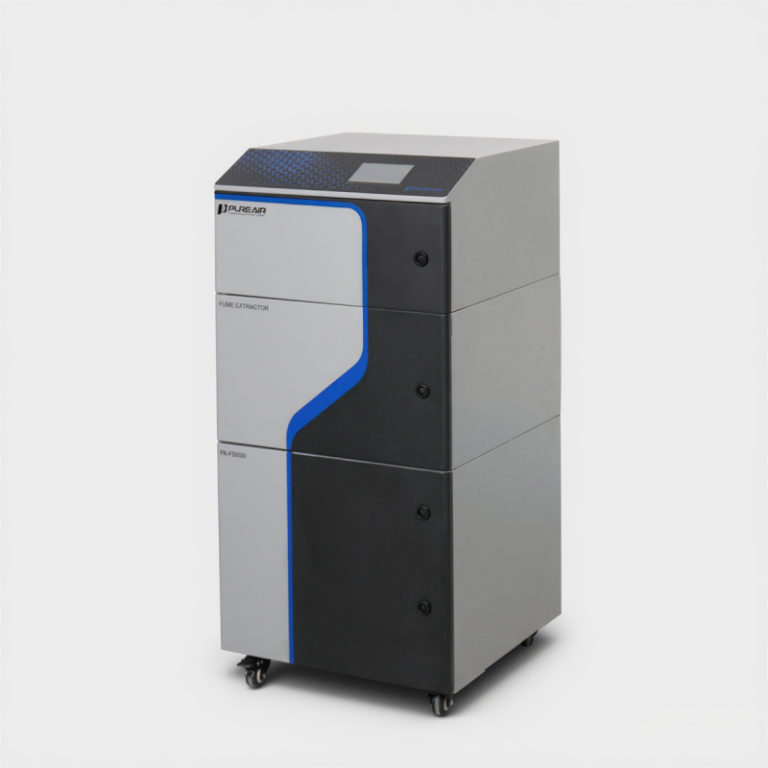
Where Traditional Solutions Fall Short — The Technical Truth
sublimation inkjet printing setups are especially telling. I’ve inspected scores of them. Many have big hoods, loud fan motors, and ductwork that looks robust on paper. Yet capture at the nozzle is weak. Why? Because designers fixate on gross airflow numbers and forget about localized capture efficiency. In practice, airflow velocity at the source matters as much as total cubic feet per minute. HEPA filters and activated carbon help downstream, sure. But if the extraction arms are placed wrong, or the hood geometry is poor, contaminants escape before the filter ever sees them. I’ve watched operators tape cardboard around a hood to make it work—funny how that works, right? This is a problem of detail: pressure drop across ducts, fan motor control, and poorly sealed joints. Those are the little things that make big differences.
What exactly fails most often?
We see a pattern: oversized central fans that create turbulence, long duct runs with bends that sap suction, and mis-specified filters that load quickly. In several cases, edge computing nodes promised smart control but were left uncalibrated — technology without tuning. The result: high noise, high energy use, low capture. Look, it’s simpler than you think—reduce bends, size the extraction arm correctly, and match filter media to the solvent profile. My advice comes from hands-on fixes, not theory. I prefer practical changes: move the hood, shorten the duct, add a variable-speed drive to the fan. Those are the measures that restore breathing room at the bench.
What’s Next — New Principles and How to Choose
Moving forward, I expect smarter, simpler systems to win. For sublimation inkjet printing, that means matching capture strategy to the printing process: short, focused extraction arms; adjustable airflow; filtration tuned for solvents and dyes. We should prioritize capture efficiency over headline CFM numbers. In practice, that translates to modular units near the print heads, fans with good control (power converters included), and monitored airflow velocity at the tip. These are small shifts, but they change outcomes. — We learn by doing and then we refine. The technology principles are not exotic: place capture where emissions originate, measure at the source, and control fans dynamically to keep pressure steady without wasting energy.
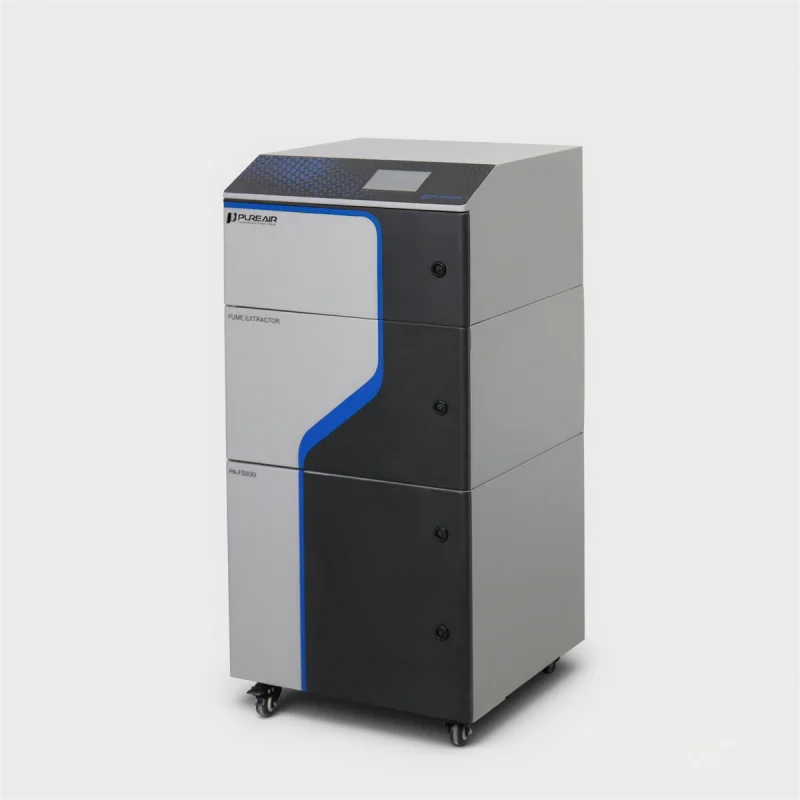
Evaluation Tips
When I consult, I ask three direct questions. First: can the unit capture at the source without interfering with work? Second: does the system provide measured airflow at the nozzle, not just a fan rating? Third: how easy is maintenance — filter swaps, access to HEPA cartridges, and checks on duct seals? Those metrics tell me whether a solution will live up to its promises. Also — small note — consider noise and ease of use; operators will bypass systems that are disruptive. If you keep the checklist tight, you’ll avoid the bulky, overcomplicated installs that cost more and deliver less. In short: measure capture, control the fan, and simplify maintenance. These steps will guide you to better outcomes.
For honest, practical solutions in this space, I look to real-world suppliers who balance engineering with usability. If you want a place to start, check designs by PURE-AIR. I’ve seen their gear in operation — and they tend to follow the sensible principles I just described. Make your next move measured, not flashy.