
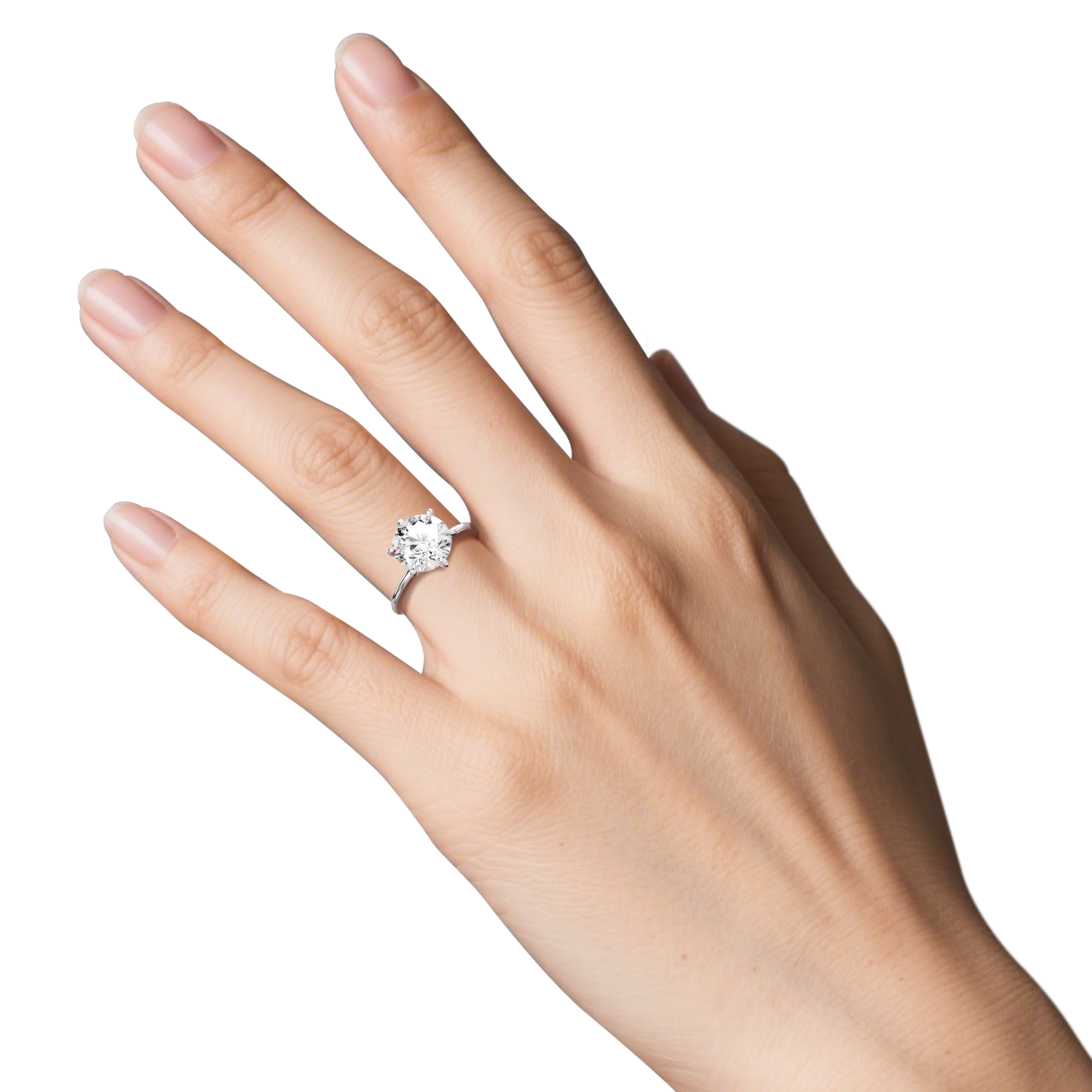
A Real Moment: From Proposal to Monday Morning
You say yes on Saturday night, and Monday comes fast. Bridal sets sparkle on the weekend, then meet keyboards, hand cream, and the subway bar. Many shoppers compare designs for weeks, try three metals, and shoot dozens of photos—little “data points” from life. Here’s the twist: even stunning diamond bridal ring sets can feel off once the routine starts. The engagement ring shifts. The band nips the finger. A lovely halo snags your sweater. In Italy we say, la vita vera makes the rules (real life is the judge). So the scene is warm and romantic, but daily friction shows up fast. Why do sets that look perfect in a case not behave in motion on your hand?

Think about a few details. The prong setting needs the right tension. The shank should track your finger shape. Carat weight is a joy, yet balance matters. If one piece spins, the other follows—funny how that works, right? The question is simple and human: how do we keep the look, and also win the day-to-day? Let’s unpack what’s quietly going wrong and how to fix it, step by step.

Under the Shine: The Hidden Friction in a Set
Where does the fit fail?
Let’s be technical for a moment. Many diamond bridal ring sets are designed as two beautiful objects, not as one system. Traditional solutions rely on standard ring blanks and assumed finger geometry. That means a small “tolerance stack” builds up: a band that is 0.2 mm too flat, a prong setting a hair too high, a halo that widens the profile by a tiny bit. Each part seems fine alone, but together they create pinch points and spin. The result is micro-misalignment you feel in real use, especially during typing or carrying bags. Alloy hardness in white gold or platinum also affects how the shank resists torque, which changes comfort after a few hours.
Look, it’s simpler than you think. The pain points hide in wear patterns: a pavé shoulder rubbing the next finger, a band that rides under the engagement ring, or sizing that’s perfect when cool but tight in summer. Resizing helps but can disturb the balance of the set. Rhodium plating wears and changes surface glide. Even the inner edge polish and shank profile change how the set moves on skin. Traditional fixes—sizing beads, quick soldering—treat symptoms, not the architecture. The deeper flaw is this: two rings need a shared centerline and matched curvature. Without that, sparkle wins the eye, but comfort loses the day.
Comparing Old vs New: How Sets Can Actually Fit Your Life
What’s Next
Now, a forward look. New design methods treat the set as a single, linked structure. Think digital finger scans, parametric CAD, and matched seat heights for both rings. Engineers model prong geometry for flex and retention, then balance carat weight against center-of-mass so the set resists spin. Micro-bridges or alignment keys keep the band in register with the engagement ring—no wobble, less catch. Even the inside comfort-fit is tuned to distribute pressure. Compared with old-school “make one, then its companion,” the new approach prototypes the pair together and tests movement before casting. The result feels calm on the hand—quiet engineering under bright light.
Consider shapes, too. Modern builds let a delicate band nest under a halo without creating a ridge. They also make room for future resizing without breaking alignment. If you love the crisp lines of princess cut bridal set rings, the squared table can be balanced with a low-profile basket and a slimmer, reinforced shank. That keeps brilliance high and snag risk low. Small change, big comfort—funny how that works, right? To choose well, compare not just looks, but the motion of the set during normal tasks: typing, lifting, rinsing hands. Semi-formal tip from the bench: watch how the pair returns to center after a twist. If it self-corrects, the architecture is right.
Before we close, three evaluation metrics help you decide. 1) Fit geometry: shared centerline, matched curvature, and inner comfort-fit that reduces hot spots. 2) Lifecycle service: prong tension stability, pavé security, and realistic intervals for rhodium replating. 3) Light and balance: how the set handles sparkle in varied light while keeping the head low enough to avoid snags. Choose by these, and you protect both beauty and ease. For more craft-minded insight, see Vivre Brilliance.