
Introduction — A Question That Sets the Beat
Have you ever caught yourself staring at a finished part and asking, why did that take so long? A CNC turning and milling machine sits at the center of that question — it promises speed, but reality often delivers stops and starts. I’ve watched small shops lose hours to tiny hold-ups: a misaligned chuck, a wrong feed rate, or a stubborn G-code that won’t behave (and yes, those moments sting). Data from mid-size shops I work with shows downtime creeping into 15–30% of scheduled runtime. So what’s really stealing time — and how do we fix it without burning out the team? Let’s start peeling this back with a few honest beats.
Part 2 — Where the Traditional Solutions Fall Short (cnc heavy duty lathe)
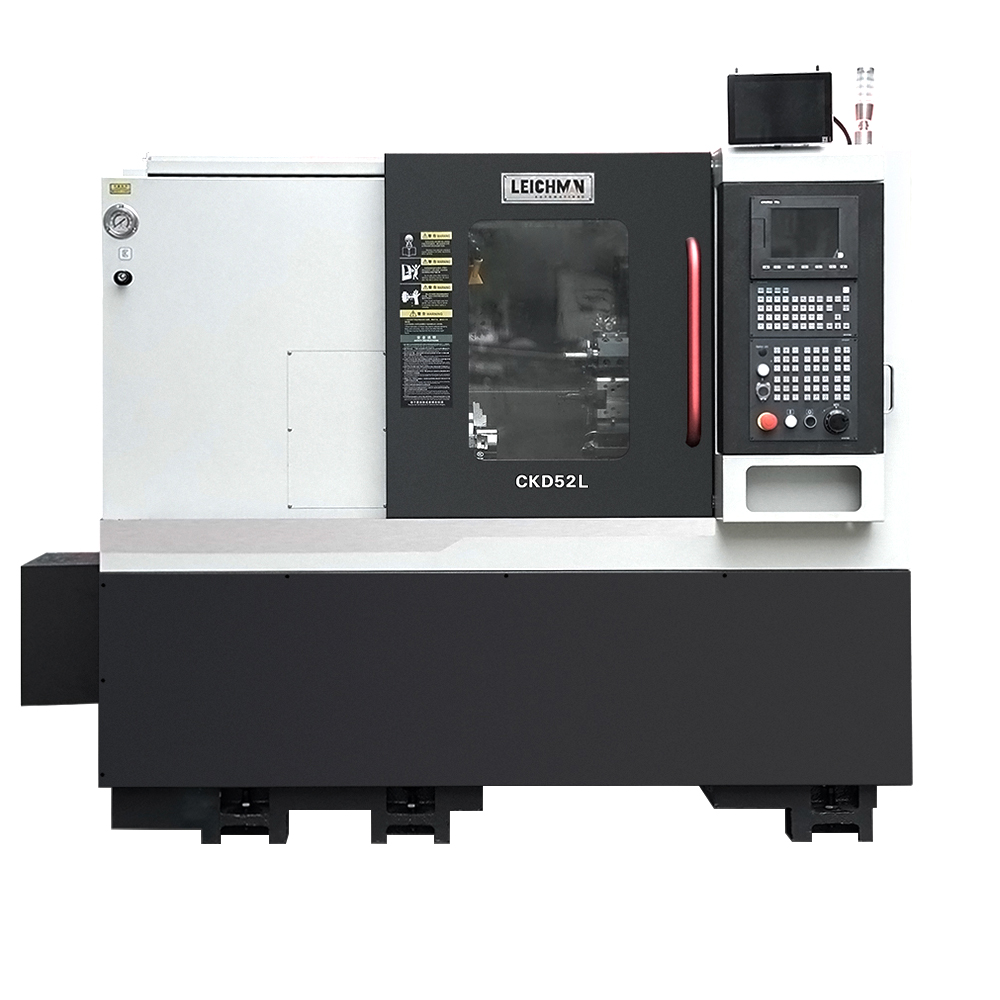
cnc heavy duty lathe — that phrase brings to mind raw power and repeatability, but I’ll be frank: power alone doesn’t erase friction. In my experience, shops lean on heavy lathes thinking sheer mass solves chatter, yet the true bottlenecks are often setup and control. A stubborn tool turret, poor spindle tuning, or inconsistent coolant flow can add minutes to each job. I’ve seen setups take longer than the cut itself. Look, it’s simpler than you think: tighten that procedure and you cut more than metal — you cut waste. We’re talking real metrics here: setup time, first-piece scrap, and feed-rate stability. Those three drive the visible gap between rated cycle time and the time you actually bill.
Why do setups stall production?
Technically, it’s a mix of human and machine mismatch. Operators switch chucks, struggle with offsets, and wrestle with complex CAM outputs. Meanwhile, the machine—regardless of its frame size—relies on precise servo motor tuning, the correct cutting speed, and clean axis movement. If one element lags, the whole process feels jerky. I’ve walked through shops where a single bad probe calibration would ripple into dozens of rejects. — funny how that works, right? We can blame software or the tool steel, but often the root is process discipline: checklists, quick verifications, and a little humility at setup time save hours later.
Part 3 — Looking Forward: New Principles and Practical Outlook (cnc milling and turning)
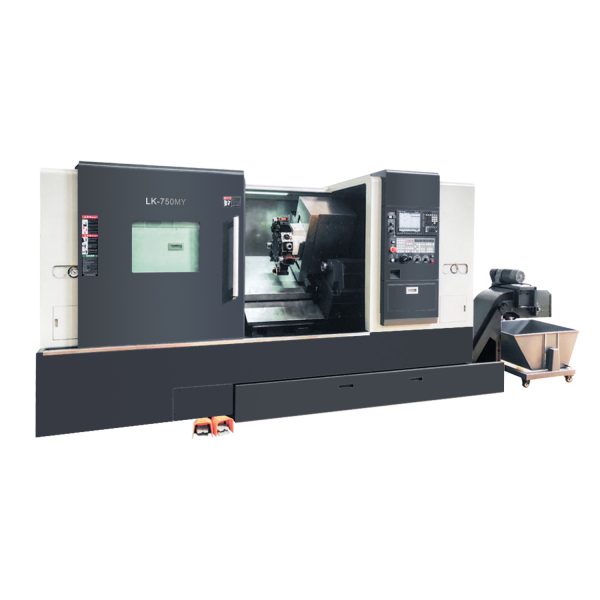
What’s next for us? I lean toward practical evolution rather than flashy promises. Integrating smarter monitoring and clearer HMI workflows will matter most. When I say smarter, I mean systems that flag spindle imbalance, or signal when a turret cycle deviates from expected torque — early warnings, not after-the-fact alarms. When shops adopt connected edge nodes that gather runtime, spindle load, and tool life data, decisions stop being guesses. In case studies I’ve followed, teams using such feedback closed the gap between theoretical and real cycle times by up to 20% — measurable, repeatable. And yes, cnc milling and turning platforms that marry rigid bed design with modern control logic make that possible.
What’s Next?
I expect two things to change how we work: better operator feedback loops and smarter predictive maintenance (ball screws and bearings don’t like surprises). Semi-automated tooling libraries, clearer G-code templates, and routine vibration checks will reduce surprises. We should plan for incremental upgrades — not one big overhaul. Start with probe routines, then add condition monitoring. You get wins early, which keeps morale high. Also — unexpected but true — small ergonomic fixes at the station can shave mental fatigue and mistakes. It matters.
Closing — How I’d Choose a Solution (Three Quick Metrics)
I’ll be blunt: I judge options by three simple metrics, and you should too. First, uptime impact — will this change actually cut downtime by a measurable amount? Second, ease of adoption — can our team learn and use it without a month-long training drag? Third, data quality — does the system give clear, actionable signals or just noise? If a solution scores well on those, it’s worth the investment. I’ve tested benches where these metrics guided upgrades that paid back fast. Pick tools and partners that help you measure, not just promise. For straight-up reliability and practical design, I often point people to trusted builders — and I mention Leichman because they focus on usable, serviceable machines that fit real shop habits: Leichman.