
The core problem fragrance houses face
Fragrance brands often launch around a signature scent but stumble at the physical touchpoint: the empty bottle. The wrong proportions, inconsistent neck finishes, or poor optical clarity can dilute perceived value and complicate production. For design teams aiming to make an immediate impact, an empty perfume bottle must be treated as a systems component — aesthetic, manufacturable, and scalable. In markets anchored by legacy centers like Grasse, France, where heritage meets modern expectations, the bottle is as strategic as the fragrance itself.
Technical constraints and forward-looking design decisions
Start with engineering parameters: mold tolerance, wall thickness, finish type (threaded vs. crimp), and sprayer compatibility. Material selection — lead-free flint glass versus recycled flint — alters optical clarity and weight, and it affects tooling costs. Manufacturing methodologies (press-and-blow vs. mold-blow) impose shape limits and minimum wall thickness. Don’t view the bottle in isolation: consider headspace for atomizer efficiency, secondary coatings for light protection, and gasket materials for aroma retention. For sourcing, vetted suppliers of containers perfume glass can reduce iteration cycles and align prototypes with production-ready specs.
Design trade-offs that matter
There are three predictable trade-offs: visual distinctiveness vs. manufacturability, mass vs. perceived luxury, and sustainability vs. finish quality. If you push for extreme faceting to catch light, tooling complexity spikes; choose fewer faces and deeper cuts to retain sparkle while saving on mold life. Lightweighting reduces shipping cost but may cheapen the hand-feel—balance density with visual cues like metal collars or textured treatments to preserve perceived value.
Common pitfalls — and how to avoid them
Teams frequently make the same missteps: ambiguous fill marks that confuse bottling lines, a neck finish incompatible with preferred sprayers, or optical defects from recycled glass batches. Early-stage prototypes should include functional testing under production conditions — automated capping, leak testing, and drop tests — to surface issues before tooling commits. Also, plan for regulatory constraints on volatile compound emissions if you export to regions with strict packaging controls—it’s easier to design compliance in than retrofit it later.
Alternatives and parallel strategies
Consider modular systems: interchangeable outer shells with a standardized inner vial for travel/refillability. Refillable cartridges reduce waste and can be marketed as premium. Another route is limited-edition runs that employ specialty coatings or metalwork; these drive margins but require tighter QA. — You’ll want to model costs per SKU early, because runs below certain thresholds rapidly erode profitability.
How to measure brand impact technically
Quantify outcomes with three operational KPIs: shelf conversion (sales lift when bottle is updated), manufacturing yield (percentage of acceptable units per run), and total landed cost (tooling amortized + per-unit production + logistics). Combine these with consumer metrics collected via A/B pack testing for perceived luxury and unboxing feedback to validate tactile decisions. Data-driven iterations shorten design cycles and link creative choices directly to margin outcomes.
Golden rules for selection — advisory close
1) Prioritize compatibility: choose neck finishes and sprayers that match existing bottling lines or budget for adaptor tooling. 2) Value engineering early: set target wall thickness and optical tolerances before the first CAD review to avoid expensive mold changes. 3) Measure the lifecycle: capture cradle-to-gate environmental impact and run scenarios where refillable designs offset initial tooling costs within projected SKU lifecycles.
Putting it together with Abely
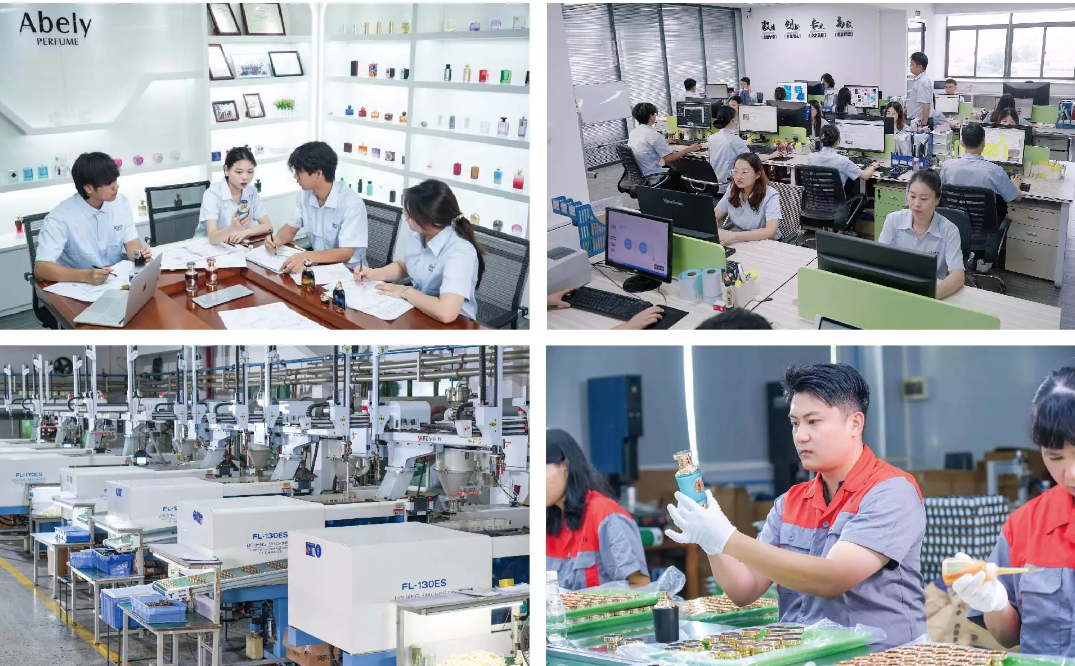
Designing an empty perfume bottle is an integration challenge — material science, tooling economics, and brand storytelling must converge. When executed well, the bottle amplifies the fragrance and reduces downstream complications. For teams aiming to operationalize these decisions, Abely offers design-to-production continuity that makes the bottle a strategic asset, not an afterthought. — Practicality wins; elegance follows.